

When you're choosing insulation for your home or renovation project, the options can feel overwhelming. Earthwool insulation has emerged as one of Australia's most popular glasswool solutions, combining exceptional thermal performance with environmental responsibility. Manufactured by Knauf using advanced ECOSE® Technology, this insulation range delivers comfort, energy savings, and healthier indoor environments while remaining surprisingly easy to work with. Whether you're insulating walls, ceilings, floors, or targeting acoustic control, understanding what makes earthwool insulation different helps you make smarter decisions for your building project.
What Is Earthwool Insulation and How Does It Work
Earthwool insulation is a premium glasswool product manufactured by Knauf Insulation using their proprietary ECOSE® Technology. Unlike traditional glasswool products that rely on formaldehyde-based binders, earthwool insulation uses a bio-based binder partly derived from renewable materials.
This innovative manufacturing approach creates insulation batts and blankets that are:
- Softer to touch and less irritating during installation
- Lower in dust compared to conventional glasswool products
- Free from added formaldehyde, artificial colours, and phenol
- More sustainable with reduced embodied energy
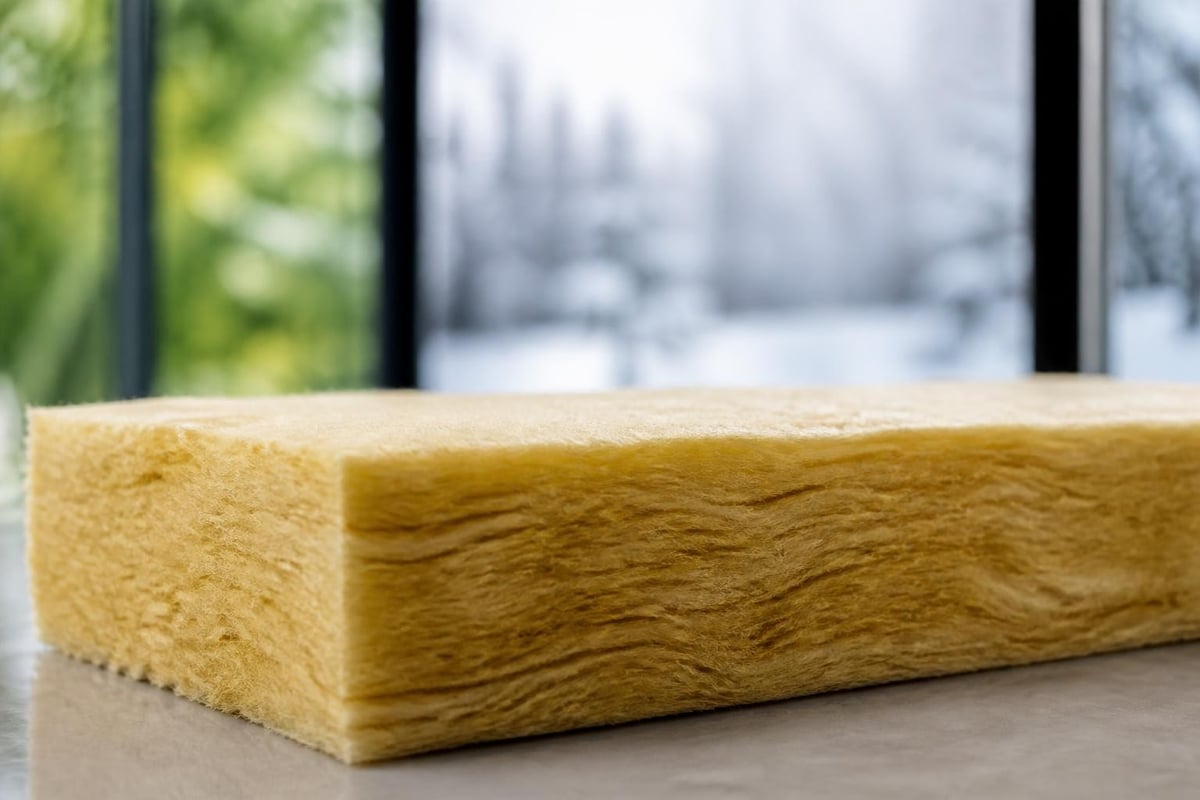
The thermal performance works through millions of tiny air pockets trapped within the glasswool matrix. These air pockets slow down heat transfer, helping keep your home warmer in winter and cooler in summer. The same structure also absorbs sound energy, making earthwool insulation effective for acoustic applications.
The ECOSE Technology Advantage
ECOSE® Technology represents a significant shift in how glasswool insulation is manufactured. The bio-based binder reduces reliance on petroleum-based chemicals while maintaining the structural integrity and thermal performance you need.
Key benefits include:
- No itchy fibres that cause skin irritation
- Natural brown colour without artificial dyes
- Lower manufacturing emissions
- Superior handling characteristics for installers
- Same proven thermal and acoustic performance as traditional products
Earthwool Insulation Product Range and Applications
The earthwool insulation family includes multiple product lines designed for specific applications throughout your home. Understanding these categories helps you select the right product for each area.
| Product Type | Primary Use | Key Features | Typical R-Values |
|---|---|---|---|
| Earthwool Ceiling Batts | Ceiling cavities | High thermal resistance, friction-fit | R2.5 to R7.0 |
| Earthwool Wall Batts | Stud wall cavities | Thermal and acoustic control | R1.5 to R2.7 |
| Earthwool Sound Shield | High-noise areas | Enhanced acoustic performance | R2.5 to R4.0 |
| Earthwool Blanket | Roofs and commercial | Continuous coverage, flexible | R3.2 to R4.0 |
Wall Insulation Solutions
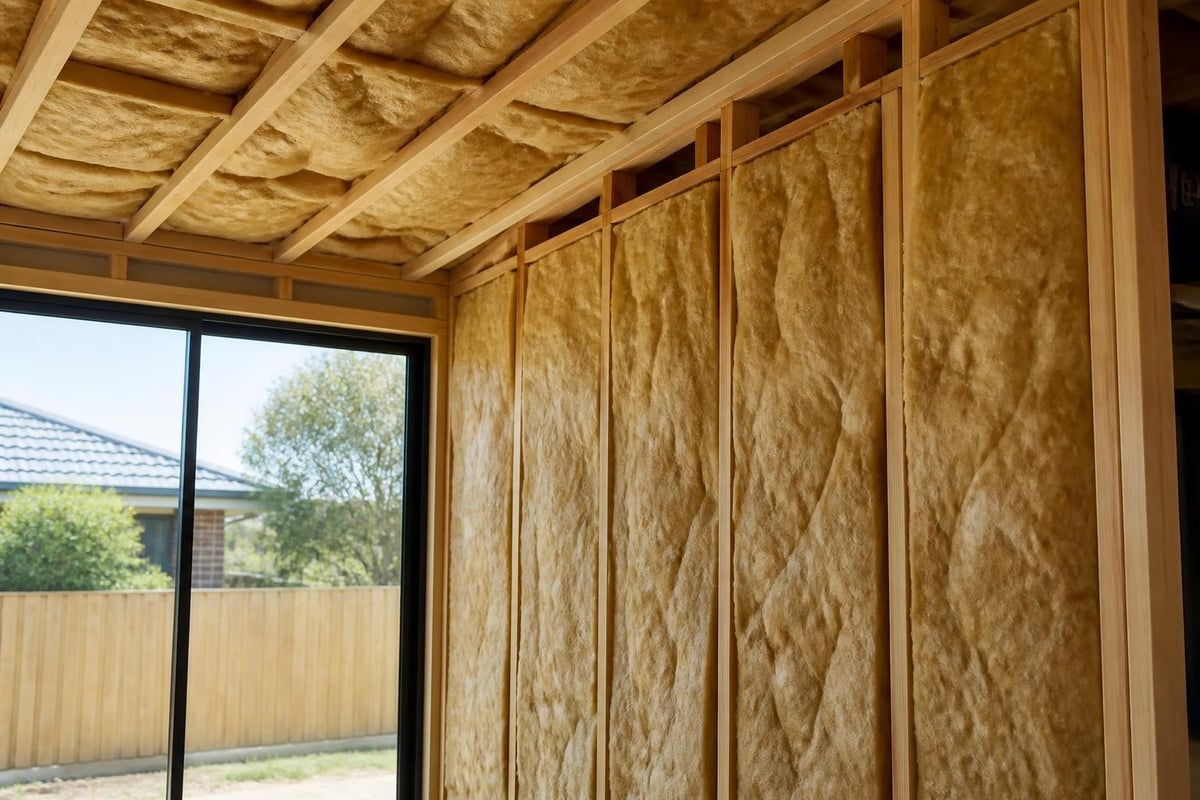
Earthwool wall batts fit between timber or steel studs in residential and commercial wall frames. They're pre-cut to standard stud spacing (typically 580mm or 600mm width) and available in thicknesses from 60mm to 140mm.
Best applications:
- Internal walls for noise reduction between rooms
- External walls for thermal efficiency
- Multi-residential buildings requiring fire and acoustic ratings
- Renovation projects in existing wall cavities
The friction-fit design means batts stay in place without additional fasteners in most applications. This makes installation faster and reduces labour costs.
Ceiling and Roof Insulation
Ceiling applications benefit from higher R-value earthwool insulation products. The Australian climate demands good ceiling insulation because heat rises in winter and roof spaces can reach extreme temperatures in summer.
Earthwool ceiling batts compress slightly during handling but spring back to full thickness once installed. This recovery ensures consistent thermal performance across the entire ceiling plane.
For roof applications, earthwool blanket products offer continuous coverage without gaps or joins. They're particularly effective under metal roofing where thermal break and condensation control matter.
Acoustic Insulation Performance
Earthwool Sound Shield products feature higher density glasswool construction specifically engineered for noise reduction. The denser material absorbs more sound energy across a broader frequency range.
These products excel in:
- Theatre rooms and entertainment spaces
- Bedrooms adjacent to noisy areas
- Townhouses and duplexes with shared walls
- Commercial offices and meeting rooms
The acoustic insulation range combines thermal and sound performance, delivering multiple benefits from a single installation.
R-Values and Thermal Performance Explained
R-value measures thermal resistance - the higher the number, the better the insulation performs. Earthwool insulation products are available across a wide R-value range to suit different climate zones and building requirements.
Common R-values and their applications:
- R1.5 to R2.0: Mild climates, internal walls, secondary spaces
- R2.5 to R3.5: Moderate climates, standard ceiling applications
- R4.0 to R6.0: Cold climates, high-performance ceiling insulation
- R6.0+: Extreme climates, premium energy efficiency projects
The National Construction Code (NCC) sets minimum R-value requirements based on your climate zone. Victoria spans multiple zones, so requirements vary between metropolitan Melbourne and regional areas.
Choosing the Right R-Value
Your required R-value depends on several factors:
- Climate zone - Check the NCC or Building Code of Australia classification for your location
- Application area - Ceilings need higher R-values than walls
- Building design - Large windows, orientation, and construction type affect requirements
- Energy efficiency goals - Exceeding minimum standards delivers better long-term savings
Most Melbourne homes use R2.5 to R3.5 in ceiling insulation and R1.5 to R2.5 in walls. Always verify current NCC requirements before purchasing.
Installation Guidelines and Best Practices
Installing earthwool insulation correctly ensures you achieve the rated thermal and acoustic performance. Poor installation creates gaps, compression, and reduced effectiveness.
Pre-Installation Preparation
Safety first:
- Wear gloves, long sleeves, and eye protection
- Ensure adequate lighting in roof spaces
- Use a dust mask in enclosed areas
- Watch for electrical wiring and services
- Check ceiling strength before walking on frames
Clear the work area of stored items and debris. Identify any moisture issues or pest problems before installing insulation.
Installation Steps for Wall Batts
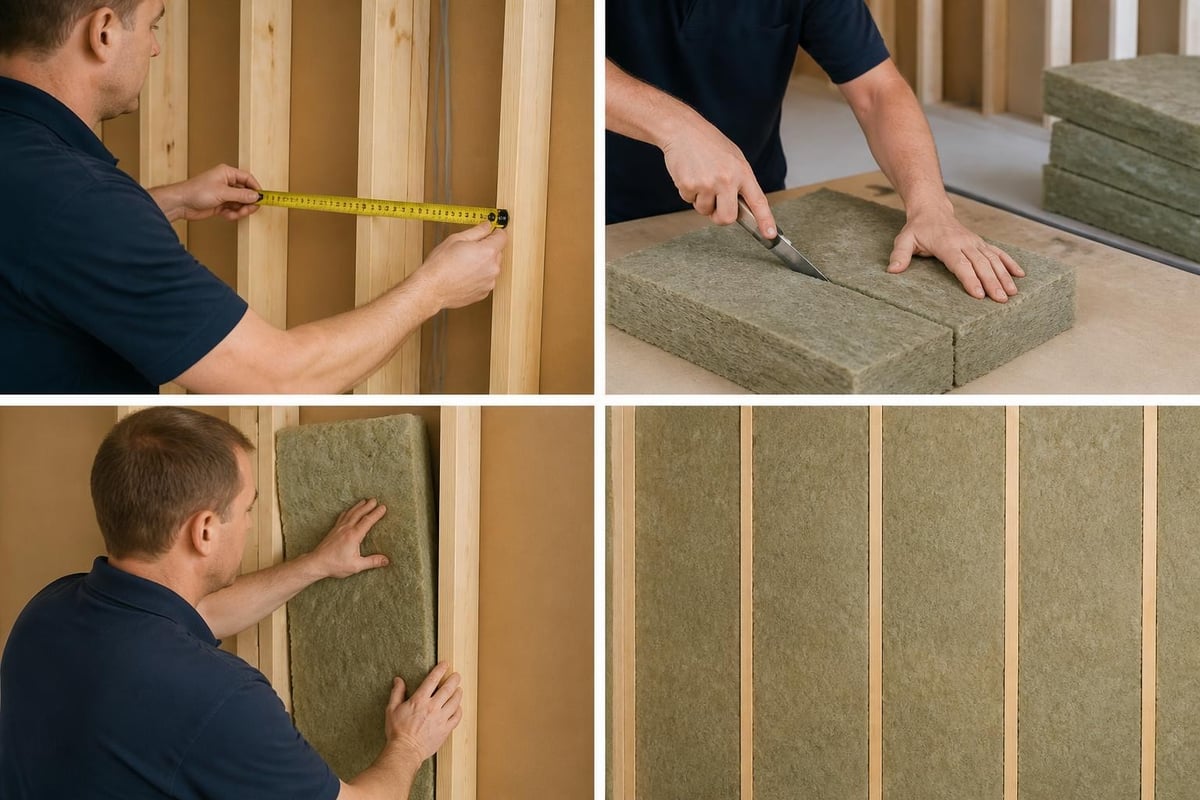
- Measure the cavity height from bottom plate to top plate
- Cut batts to length using a long-bladed knife or insulation saw
- Friction-fit between studs ensuring the batt fills the cavity width
- Avoid compression which reduces R-value performance
- Cut around services like electrical boxes and pipes
- Leave no gaps between batts at joins and edges
For wall insulation, work systematically around the room rather than random placement. This prevents missed sections.
Ceiling Installation Techniques
Ceiling installation requires more care due to accessibility and the risk of damaging ceilings from below.
| Installation Tip | Why It Matters |
|---|---|
| Work from the eaves toward the centre | Prevents getting trapped in corners |
| Don't compress batts | Compressed insulation loses thermal performance |
| Maintain clearances around downlights | Prevents fire risk and overheating |
| Cover the entire ceiling plane | Gaps create thermal bridges |
| Don't block ventilation | Roof spaces need airflow |
Many ceiling applications use unfaced batts that simply lay between joists. Some applications may require faced batts with a vapour barrier for specific moisture control needs.
Environmental Benefits and Sustainability
Earthwool insulation delivers environmental advantages throughout its lifecycle, from manufacturing through to end-of-life disposal.
Manufacturing sustainability:
- Uses recycled glass content reducing landfill waste
- Bio-based binder from renewable plant materials
- Lower energy consumption in production
- No added formaldehyde or harmful VOCs
- Reduced water usage compared to traditional processes
The natural brown colour comes from the bio-based binder itself rather than added dyes. This might seem minor, but it eliminates chemicals and processing steps.
Long-Term Energy Savings
Quality insulation reduces heating and cooling energy consumption for decades. Earthwool insulation maintains its thermal performance over time without settling or degrading.
Expected energy savings in typical Melbourne homes:
- 20-30% reduction in heating and cooling costs
- Lower peak energy demand reducing grid stress
- Improved thermal comfort with smaller temperature swings
- Reduced greenhouse gas emissions from energy generation
These savings compound over the insulation's 50+ year lifespan, making it one of the most cost-effective sustainability investments you can make.
Health and Indoor Air Quality
The formaldehyde-free composition supports better indoor air quality. Traditional glasswool products using phenol-formaldehyde binders can off-gas small amounts of formaldehyde, particularly when new.
Earthwool insulation eliminates this concern entirely. The product has been tested to indoor air quality standards and received certifications from international health and environmental agencies.
Cost Considerations and Value Analysis
Earthwool insulation typically sits in the mid-to-premium price range for glasswool products. The investment delivers value through performance, handling characteristics, and longevity.
Price Factors That Affect Cost
- R-value - Higher thermal resistance costs more per square metre
- Thickness - Thicker batts use more material
- Product type - Specialty acoustic products cost more than standard batts
- Order volume - Larger quantities often qualify for better pricing
- Delivery distance - Freight costs vary by location
For Melbourne and regional Victoria customers, delivery costs form part of your total investment. Planning orders to cover multiple areas reduces per-square-metre freight costs.
Comparing Total Cost of Ownership
Looking beyond the initial purchase price reveals earthwool insulation's true value:
| Cost Factor | Short Term | Long Term |
|---|---|---|
| Material purchase | Higher than budget options | Same (one-time cost) |
| Installation labour | Lower (easier handling) | N/A |
| Energy bills | Immediate reduction | Savings compound annually |
| Maintenance/replacement | None required | None required |
| Health/comfort | Immediate improvement | Sustained benefit |
The easier handling reduces installation time by 10-20% compared to traditional glasswool. For DIY projects, this means less time working in uncomfortable roof spaces.
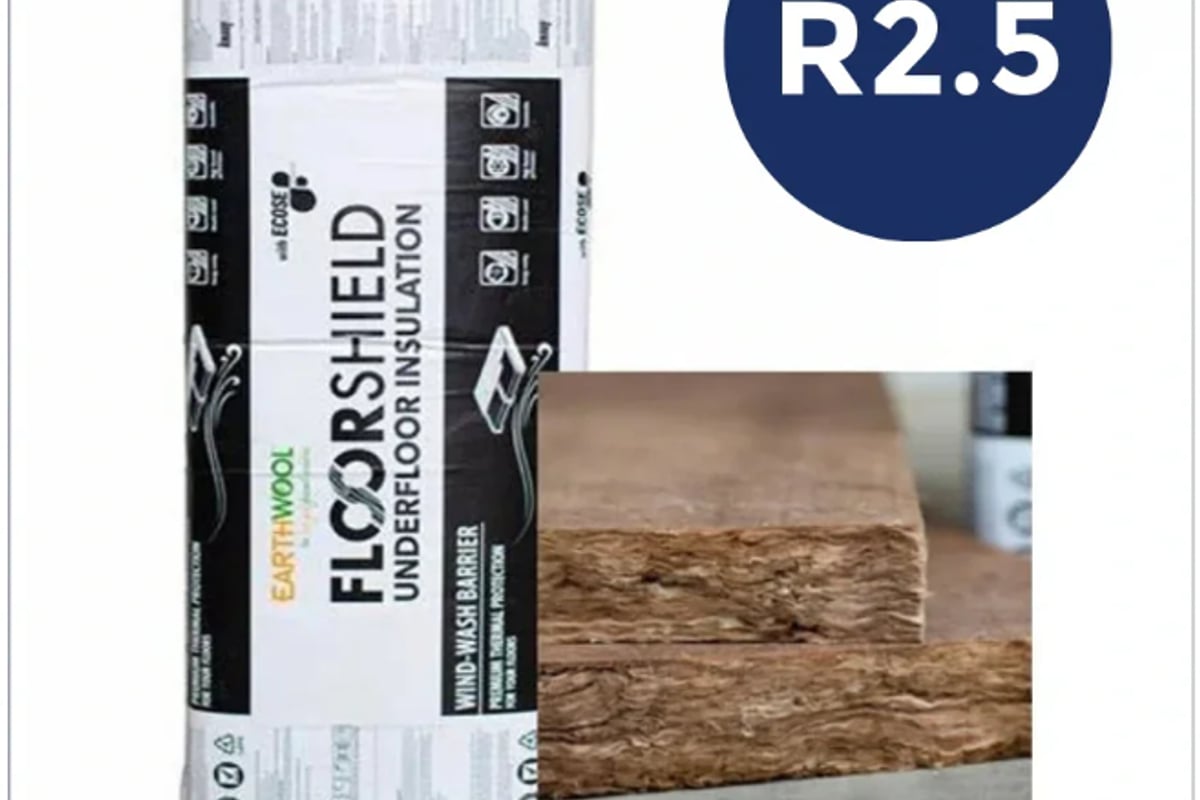
If you're working on suspended timber floors and need reliable thermal performance, the Floorshield R2.5 Underfloor Batts offer excellent value with the same ECOSE® Technology benefits found across the Earthwool range.
Common Questions and Troubleshooting
Understanding typical installation challenges helps you avoid problems and achieve better results with earthwool insulation.
How to Handle Cutting and Fitting
Earthwool insulation cuts cleanly with a long-bladed utility knife or purpose-built insulation saw. For straight cuts, compress the batt against a straight edge and slice through in one smooth motion.
Cutting tips:
- Use a board underneath to protect surfaces
- Replace knife blades frequently as glasswool dulls edges quickly
- Cut slightly oversized for friction-fit applications
- Make relief cuts for obstacles like pipes and wiring
For irregular shapes around roof trusses or services, create a paper template first. This prevents waste from incorrect cuts.
Dealing with Moisture and Vapour
Glasswool insulation, including earthwool products, doesn't absorb moisture the way some other materials do. However, trapped moisture in wall or ceiling cavities creates problems regardless of insulation type.
Prevent moisture issues by:
- Installing proper vapour barriers where required
- Ensuring adequate ventilation in roof spaces
- Fixing leaks before installing insulation
- Avoiding installation in wet conditions
- Using waterproof barriers in high-moisture areas
If earthwool insulation gets wet during construction, it dries out without losing thermal performance. Simply allow time for drying before closing up cavities.
Working Around Electrical and Services
Safety requires careful work around electrical wiring and junction boxes. Maintain required clearances and never compress insulation around heat-generating electrical components.
For recessed downlights, check if they're IC-rated (insulation contact approved). Non-IC-rated lights require spacing or special covers to prevent overheating.
Product Certifications and Standards Compliance
Earthwool insulation meets Australian and international standards for safety, performance, and environmental responsibility.
Key certifications include:
- CodeMark certification for Building Code of Australia compliance
- AS/NZS 4859.1 for thermal insulation materials
- ISO 9001 quality management
- ISO 14001 environmental management
- Euroclass fire performance ratings
These certifications provide confidence that the product performs as specified and complies with regulatory requirements.
Fire Performance Characteristics
Glasswool is non-combustible and provides excellent fire resistance. Earthwool insulation won't fuel fires and acts as a passive fire barrier in walls and ceilings.
Fire ratings vary by product density and thickness:
- Most wall and ceiling batts achieve Group 1 fire hazard classification
- Higher density products offer enhanced fire resistance
- Products tested to AS 1530.3 combustibility standards
- Suitable for use in fire-rated construction assemblies
This fire performance makes earthwool insulation appropriate for multi-residential buildings and commercial applications where fire safety is critical.
Comparing Earthwool to Other Insulation Types
Understanding how earthwool insulation compares to alternatives helps you make informed product selections.
Earthwool vs Polyester Insulation
| Feature | Earthwool | Polyester |
|---|---|---|
| Material source | Recycled glass + bio-binder | Recycled plastic bottles |
| R-value per mm | Moderate | Lower (needs more thickness) |
| Fire performance | Non-combustible | Self-extinguishing |
| Moisture resistance | Excellent (doesn't absorb) | Good |
| Acoustic performance | Excellent | Good to very good |
| Handling | Very soft, low itch | Very soft, no itch |
| Price point | Mid to premium | Premium |
Both products work well, but earthwool insulation typically delivers higher R-values in thinner cavities. This matters in walls where cavity depth is limited.
Earthwool vs Traditional Glasswool
The primary differences between earthwool insulation and conventional glasswool lie in binder chemistry and handling characteristics rather than thermal performance.
Traditional glasswool often costs less but:
- Uses phenol-formaldehyde binders
- Creates more dust during handling
- Feels itchier against skin
- May have stronger odours when new
- Contains artificial colours
The performance gap in thermal and acoustic properties is minimal. The choice often comes down to handling comfort, sustainability priorities, and budget constraints.
When to Choose Different Materials
Some situations call for different insulation types:
- Reflective foil works well in roof spaces with limited depth
- Rigid foam boards suit under-slab and high-compression areas
- Bulk insulation like earthwool excels in standard cavity applications
- Spray foam fills irregular cavities but costs significantly more
For most residential wall and ceiling projects, earthwool insulation provides the best balance of performance, cost, and ease of installation.
Maintenance and Long-Term Performance
One of earthwool insulation's strongest advantages is its durability and minimal maintenance requirements over decades of service.
Expected Lifespan
Quality glasswool insulation lasts 50+ years without significant performance degradation when properly installed. The inorganic glass fibres don't break down from aging, don't provide food for pests, and resist mould growth.
Performance factors over time:
- R-value remains stable (unlike some loose-fill products that settle)
- Maintains acoustic absorption properties
- Doesn't sag in wall cavities with proper installation
- Resists pest damage from rodents and insects
- Won't support mould growth in dry conditions
This longevity means you install it once and enjoy benefits for the life of the building.
When to Replace or Upgrade
Insulation replacement becomes necessary only in specific situations:
- Water damage that wasn't properly dried
- Contamination from pest infestations
- Physical damage during renovations
- Building code changes requiring higher R-values
- Converting unconditioned spaces to living areas
For renovation projects, you can often add earthwool insulation to existing uninsulated cavities. This dramatically improves comfort and efficiency without removing existing materials.
Monitoring and Inspection
Annual checks during routine building maintenance help identify any issues:
- Look for water stains indicating leaks
- Check for pest activity or droppings
- Verify insulation hasn't been disturbed during other work
- Ensure roof ventilation remains unblocked
- Inspect for compression from stored items in roof spaces
Simple visual inspections catch problems before they compromise insulation performance. Address moisture sources immediately to prevent broader building damage.
Earthwool insulation combines proven thermal and acoustic performance with sustainable manufacturing and superior handling characteristics, making it an excellent choice for renovation projects and new construction throughout Victoria. Whether you're tackling ceiling insulation, wall batts, or acoustic applications, the ECOSE® Technology delivers reliable results that improve comfort and reduce energy costs for decades. Insulation Supplies Australia stocks a comprehensive range of Earthwool products with expert advice and fast delivery across Melbourne and regional Victoria, making it simple to find the right insulation solution for your project.