

Choosing the right ceiling insulation can transform your home's comfort and energy efficiency, and earthwool ceiling insulation has become one of the most trusted solutions for Australian homeowners and renovators. Made from advanced glasswool technology with sustainable ECOSE® binder, Earthwool products deliver excellent thermal performance while remaining soft to handle and easy to install. Whether you're building new, renovating, or upgrading existing insulation, understanding what makes Earthwool ceiling insulation different will help you make the best choice for your project.
What Makes Earthwool Ceiling Insulation Different
Earthwool ceiling insulation stands apart from traditional insulation materials through its unique manufacturing process and composition. Unlike older glasswool products that used formaldehyde-based binders, Earthwool uses ECOSE® Technology, a bio-based binder made from rapidly renewable materials.
This innovative approach creates insulation that's notably softer to touch and produces less dust during installation. The brown colour you'll notice in Earthwool products comes from the natural binder, not chemical dyes.
Key Performance Features
The manufacturing technology behind earthwool ceiling insulation delivers several practical benefits:
- Non-combustible construction provides fire safety in ceiling cavities
- Superior acoustic performance reduces noise transfer between rooms and from outside
- Moisture resistance helps prevent mould and maintains insulation performance
- Vermin resistance deters pests from nesting in roof spaces
- Long-term stability maintains R-value performance over decades
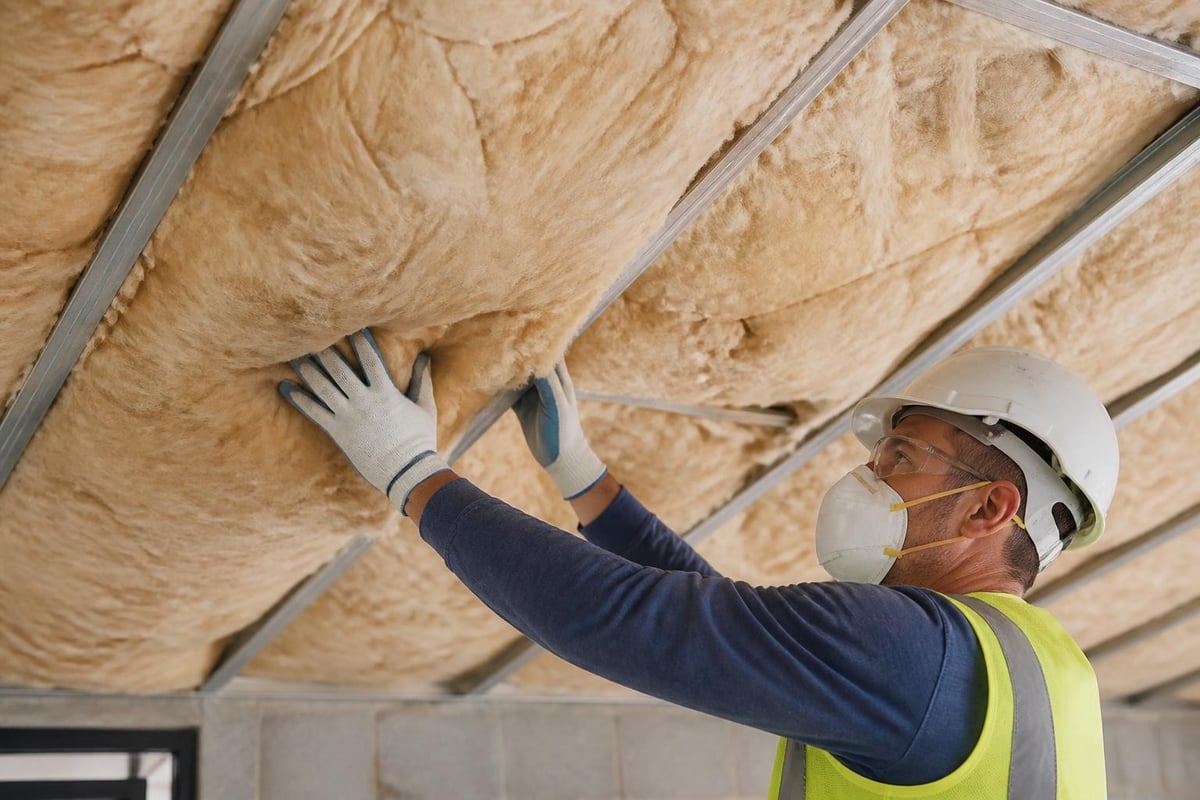
The glasswool structure traps thousands of tiny air pockets that slow heat transfer. This makes earthwool ceiling insulation highly effective at keeping homes cooler in summer and warmer in winter.
Understanding R-Values for Ceiling Applications
R-value measures thermal resistance, the higher the number, the better the insulation performance. For ceiling applications in Australian climates, selecting the appropriate R-value makes a significant difference to comfort and energy costs.
Melbourne and most Victorian homes typically need ceiling insulation between R3.5 and R6.0, depending on your specific climate zone and building design. The National Construction Code sets minimum standards, but exceeding these often delivers better long-term value.
Recommended R-Values by Climate Zone
| Climate Zone | Minimum R-Value | Recommended R-Value | Best For |
|---|---|---|---|
| Cool/Cold (Alpine) | R5.0 | R6.0 - R8.0 | Maximum winter heating efficiency |
| Cool Temperate (Melbourne) | R3.5 | R5.0 - R6.0 | Year-round comfort and energy savings |
| Warm Temperate | R3.0 | R4.0 - R5.0 | Balanced heating and cooling performance |
Higher R-values require thicker insulation batts. Standard ceiling frames in Australian homes accommodate batts from 90mm up to 350mm thick, so check your available ceiling cavity depth before purchasing.
Insulation Supplies Australia stocks earthwool ceiling insulation in R-values from R2.0 through to R8.0, with products specifically designed for standard Australian ceiling stud spacing at 430mm and 580mm centres.
Available Earthwool Ceiling Batt Options
Earthwool ceiling insulation comes in pre-cut batts sized to fit between standard ceiling joists. Understanding the sizing system helps you order exactly what your project needs.
The two standard widths match Australian building practices:
- 430mm wide batts fit 450mm joist spacing (most common in older homes)
- 580mm wide batts fit 600mm joist spacing (standard in modern construction)
Popular Earthwool Ceiling Batt Specifications
Thickness determines R-value, while width matches your ceiling frame. Here's how common options compare:
| R-Value | Thickness | Coverage per Pack (430mm) | Coverage per Pack (580mm) |
|---|---|---|---|
| R2.0 | 90mm | 15.96m² | 21.53m² |
| R3.5 | 175mm | 8.48m² | 11.4m² |
| R4.0 | 195mm | 7.5m² | 10.1m² |
| R5.0 | 230mm | 5.49m² | 7.4m² |
| R6.0 | 275mm | 5.49m² | 7.4m² |
| R7.0 | 330mm | 4.27m² | 5.75m² |
Calculating your requirements involves measuring the ceiling area and dividing by the pack coverage. Always add 5-10% extra for cutting waste and irregular spaces.
Installation Process and Safety Considerations
Installing earthwool ceiling insulation yourself can save money, but proper technique ensures safety and maximum performance. The soft texture of Earthwool makes handling easier compared to traditional glasswool, though you still need appropriate protective equipment.
Essential Safety Equipment
Before starting any ceiling insulation project:
- Respiratory protection with a P2-rated dust mask
- Eye protection using safety glasses or goggles
- Protective clothing including long sleeves, long pants, and gloves
- Adequate lighting such as a headlamp for roof cavity work
- Safe access via sturdy ladder and secure footing
The official installation instructions provide detailed guidance for proper installation techniques.
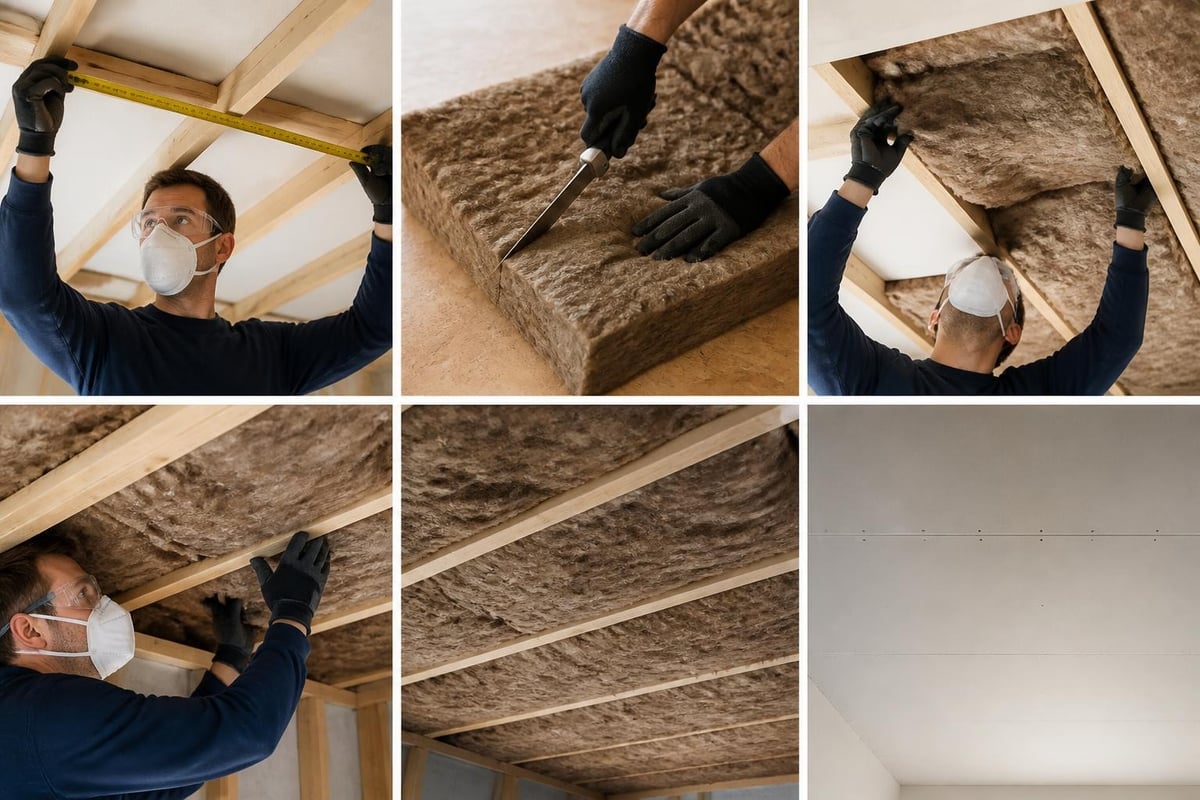
Installation Steps
Working in a ceiling cavity requires care and planning. Here's the systematic approach:
Preparation phase: Clear the work area below, set up safe access, and ensure good ventilation. Check for any electrical wiring, plumbing, or structural issues before beginning.
Measurement and cutting: Measure between joists to confirm spacing matches your batt width. Cut batts to length using a sharp knife and straight edge. Earthwool compresses easily for cutting but springs back to full thickness.
Fitting technique: Place batts between ceiling joists with the edges touching but not compressed. The insulation should sit snugly without gaps. Never compress earthwool ceiling insulation as this reduces its R-value effectiveness.
Around obstacles: Cut carefully around light fittings, maintaining required clearances for heat dissipation. Most downlights need at least 50mm clearance unless they're IC-rated (insulation contact approved).
Ventilation considerations: Maintain airflow in the roof space by not blocking eave vents. Proper ventilation prevents moisture buildup that could reduce insulation performance.
Thermal and Acoustic Performance Benefits
The dual benefits of earthwool ceiling insulation make it an excellent investment for Australian homes. Beyond thermal efficiency, the acoustic properties create quieter, more comfortable living spaces.
Energy Efficiency Impact
Ceiling insulation delivers the highest energy efficiency return of any building upgrade. Up to 45% of heating and cooling energy can escape through uninsulated ceilings.
Installing appropriate earthwool ceiling insulation typically:
- Reduces heating costs by 20-35% in winter months
- Lowers cooling costs by 15-25% during summer
- Decreases greenhouse gas emissions from energy use
- Improves HVAC system efficiency and lifespan
- Creates more consistent room temperatures
The importance of ceiling insulation in retaining conditioned air cannot be overstated, particularly in Australian climates with temperature extremes.
Sound Reduction Properties
The fibrous structure of glasswool naturally dampens sound waves. Earthwool ceiling insulation reduces:
- Airborne noise from traffic, neighbours, and outdoor activities
- Impact noise from footsteps on upper floors
- Room-to-room sound transfer improving privacy
- Echo and reverberation inside living spaces
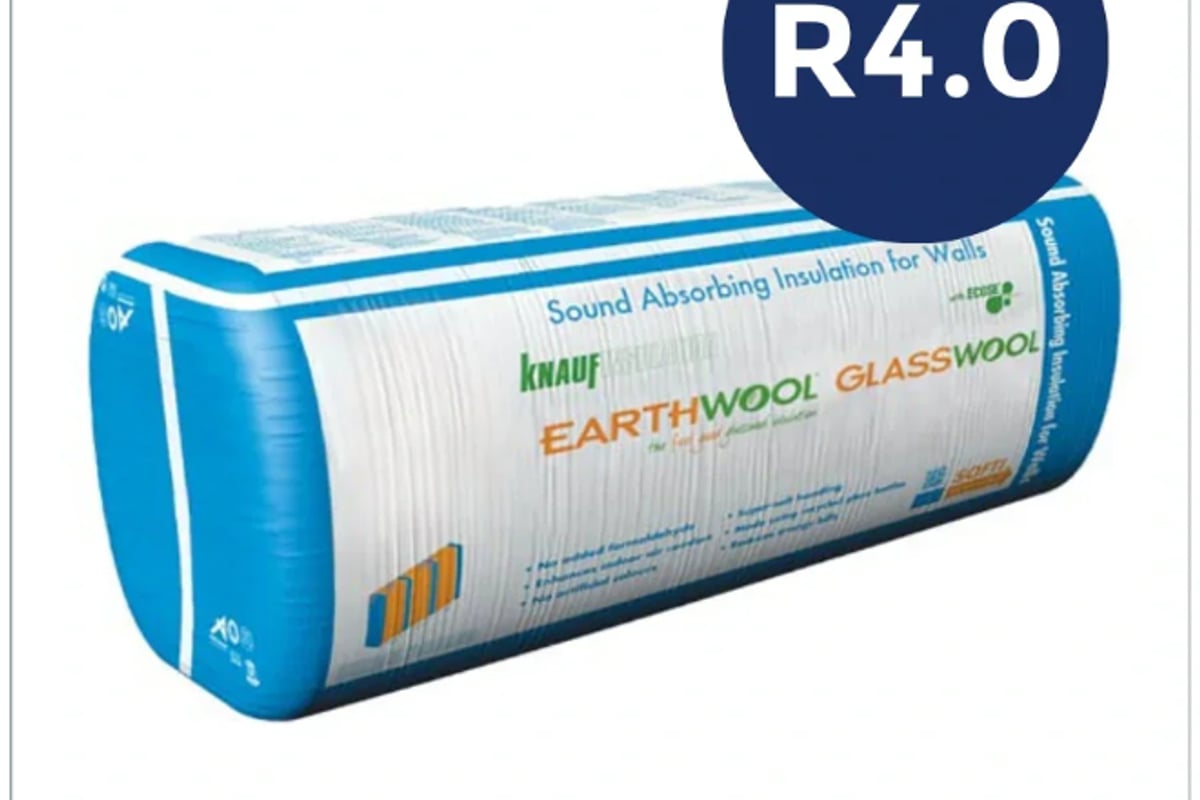
For enhanced acoustic control in high-noise areas, consider the Earthwool Sound Shield range. These higher-density acoustic batts offer superior sound absorption while maintaining excellent thermal performance.
Comparing Earthwool with Alternative Insulation Types
Understanding how earthwool ceiling insulation compares to other materials helps you make an informed decision. Each insulation type has specific advantages depending on your priorities and budget.
Material Comparison Table
| Feature | Earthwool Glasswool | Polyester Batts | Rockwool | Bulk Insulation Blanket |
|---|---|---|---|---|
| Thermal Performance | Excellent | Good | Excellent | Very Good |
| Fire Resistance | Non-combustible | Combustible | Non-combustible | Varies |
| Acoustic Performance | Very Good | Good | Excellent | Good |
| Moisture Resistance | Good | Poor | Excellent | Fair |
| Ease of Installation | Easy (soft) | Very Easy | Moderate | Easy |
| Sustainability | Good (recycled content) | Variable | Good | Variable |
| Cost | Moderate | Lower | Higher | Lower |
The non-combustible properties of earthwool ceiling insulation provide crucial fire safety, particularly in bushfire-prone areas. This characteristic, combined with the health and safety profile of modern glasswool products, makes it a trusted choice for residential construction.
When to Choose Earthwool
Earthwool ceiling insulation suits most residential applications particularly well when:
- Fire safety is a priority concern
- Acoustic performance matters for comfort
- You want sustainable materials with recycled content
- Handling comfort during DIY installation is important
- Long-term performance stability is essential
Common Installation Challenges and Solutions
Even straightforward ceiling insulation projects can present challenges. Knowing how to address common issues prevents delays and ensures proper performance.
Irregular Ceiling Joist Spacing
Not all ceilings have perfectly uniform joist spacing. When spacing varies from standard dimensions:
Solution: Measure each cavity individually and cut batts to custom widths. Earthwool compresses slightly to fit tight spaces but shouldn't be compressed more than 10% to maintain R-value. For wider gaps, use offcuts to fill the additional space rather than stretching batts.
Penetrations and Obstacles
Ceiling spaces contain wiring, pipes, and structural elements requiring careful navigation.
Solution: Cut neat openings around obstacles using a sharp knife. For downlights, check whether they're IC-rated before insulating around them. Non-IC-rated lights need protective covers that maintain clearance. Seal gaps around penetrations with appropriate fire-rated sealants after insulation installation.
Limited Access Areas
Tight roof spaces and awkward angles make some areas difficult to reach.
Solution: Use ceiling insulation blankets like the Earthwool Blanket Unfaced R3.2 for hard-to-access areas. These continuous rolls can be pushed into tight spaces and unrolled between joists, eliminating the need for repeated trips with individual batts.
Moisture and Ventilation Issues
Existing moisture problems require resolution before installing insulation.
Solution: Address any roof leaks, improve ventilation, and ensure bathroom and kitchen exhaust fans vent outside. The moisture resistance properties of earthwool ceiling insulation help prevent mould growth, but they don't substitute for proper building maintenance and ventilation.
Cost Considerations and Return on Investment
Investing in quality earthwool ceiling insulation delivers measurable financial returns through reduced energy bills. Understanding the full cost picture helps you budget appropriately and recognise the long-term value.
Upfront Investment Breakdown
Typical costs for a ceiling insulation project include:
- Materials: Earthwool batts priced per square metre based on R-value
- Delivery: Freight charges vary by location and order size
- Installation: DIY saves labour costs, or professional installation for complex projects
- Accessories: Protective equipment, cutting tools, and safety gear
- Compliance: Building permits if required in your area
Higher R-value products cost more per square metre but deliver greater energy savings. For Melbourne's climate, R5.0 or R6.0 earthwool ceiling insulation typically offers the best balance of upfront cost and energy performance.
Energy Savings Analysis
The payback period for ceiling insulation investment typically ranges from 2 to 5 years depending on:
- Current heating and cooling costs (higher bills = faster payback)
- Climate zone (extreme temperatures increase savings)
- Home size and design (larger homes benefit more)
- Energy prices (rising electricity and gas costs accelerate returns)
- R-value selected (higher performance = greater savings)
Beyond direct energy savings, earthwool ceiling insulation increases property value and market appeal. The acoustic insulation benefits also contribute to quality of life improvements that buyers value.
Maintenance and Long-Term Performance
One significant advantage of earthwool ceiling insulation is its minimal maintenance requirements and exceptional durability. Unlike some insulation materials that settle, degrade, or lose effectiveness over time, properly installed glasswool insulation maintains its R-value performance for decades.
Expected Lifespan
Quality glasswool ceiling insulation including Earthwool products typically lasts 50+ years without significant performance degradation. The stable glass fibre structure doesn't settle like some bulk insulation materials.
Factors supporting longevity:
- Non-organic composition resists biological degradation
- Moisture resistance prevents water damage and mould
- Inert material doesn't react with building chemicals
- Vermin resistance eliminates pest damage
- Stable R-value doesn't diminish over time
When to Inspect or Replace
While earthwool ceiling insulation rarely needs replacement, periodic inspection ensures continued performance:
Inspect after: Major roof repairs, water leaks, pest infestations, or severe weather events. Check that batts remain properly positioned between joists and haven't been compressed or displaced.
Consider replacement if: Insulation has been saturated by water leaks, compressed by storage items in the ceiling space, or damaged during maintenance work. Water-damaged insulation should be replaced after resolving the moisture source.
Environmental Sustainability and Certifications
The environmental credentials of earthwool ceiling insulation align with growing demand for sustainable building materials. Understanding these attributes helps environmentally conscious renovators make informed choices.
Sustainable Manufacturing Practices
Earthwool products incorporate significant recycled glass content, reducing reliance on virgin raw materials. The ECOSE Technology binder uses bio-based ingredients instead of petroleum-based alternatives.
Manufacturing processes prioritise:
- Energy efficiency in production facilities
- Reduced emissions and waste generation
- Recyclability at end of product life
- Sustainable raw material sourcing
- Lower embodied energy compared to many alternatives
Contribution to Green Building
Installing earthwool ceiling insulation supports various green building rating systems. The energy savings directly reduce a home's carbon footprint through lower heating and cooling requirements.
For homeowners pursuing sustainable renovations, quality ceiling insulation forms a cornerstone of energy efficiency strategy. The thermal performance benefits extend beyond individual comfort to measurable environmental impact reduction.
Regulatory Compliance and Building Standards
Australian building regulations set minimum insulation requirements to ensure energy efficiency and occupant comfort. Understanding these standards helps ensure your ceiling insulation project meets legal requirements.
National Construction Code Requirements
The NCC specifies minimum R-values for ceiling insulation based on climate zone. These represent baselines, not necessarily optimal performance levels.
Key compliance considerations:
- Verify your climate zone classification
- Confirm minimum R-value requirements
- Ensure installation meets building standards
- Maintain required clearances around heat sources
- Use products with appropriate certifications
Most Victorian homes fall into Climate Zone 6 or 7, requiring minimum ceiling insulation of R3.5 to R5.0. However, installing higher R-value earthwool ceiling insulation often makes economic and comfort sense.
Installation Standards
Proper installation technique directly affects both performance and compliance. The commercial building health and safety standards emphasise correct installation practices for achieving rated performance.
Professional installers follow Australian Standards AS/NZS 4859.1 for installation requirements. DIY installers should review official guidelines to ensure compliant, safe installation.
Choosing the Right Product for Your Project
Selecting appropriate earthwool ceiling insulation involves balancing multiple factors including budget, performance requirements, and installation conditions. A systematic approach simplifies the decision process.
Decision Framework
Step 1: Determine Required R-Value Check NCC minimum requirements for your climate zone, then consider exceeding minimums for better performance. Melbourne homeowners typically benefit from R5.0 to R6.0 ceiling insulation.
Step 2: Measure Ceiling Cavity Confirm available depth between ceiling lining and roof structure. This determines maximum batt thickness you can install. Standard ceiling frames accommodate 90mm to 275mm products, while some newer homes handle up to 350mm.
Step 3: Identify Joist Spacing Measure the distance between ceiling joists to determine whether you need 430mm or 580mm wide batts. Consistent spacing simplifies ordering, while variable spacing requires more careful planning.
Step 4: Calculate Coverage Requirements Measure total ceiling area and add 5-10% for waste and cutting. Browse available Earthwool products to find pack sizes that efficiently cover your space.
Step 5: Consider Special Requirements If acoustic performance matters significantly, evaluate higher-density Sound Shield products. For hard-to-access areas, consider blanket rolls instead of pre-cut batts.
Making the Purchase
Once you've identified the right earthwool ceiling insulation specifications, ordering from a trusted supplier ensures product quality and delivery reliability. Look for suppliers offering:
- Competitive pricing on quality branded products
- Expert advice for product selection
- Fast delivery to your Melbourne or Victorian location
- Comprehensive product range in various R-values
- Clear product specifications and documentation
Earthwool ceiling insulation delivers proven thermal and acoustic performance while supporting sustainable building practices through advanced ECOSE Technology manufacturing. Whether you're tackling a DIY renovation or planning a new build, selecting the right R-value and proper installation ensures decades of comfortable, energy-efficient living. Insulation Supplies Australia makes choosing and buying the right ceiling insulation simple, with expert guidance, competitive prices, and fast delivery across Victoria to help your project succeed.