

Earth wool has transformed how Australian homeowners approach insulation, combining high performance with environmental responsibility. This innovative glasswool insulation uses ECOSE® Technology, a plant-based binding system that replaces traditional formaldehyde-based binders, making it safer to handle and better for indoor air quality. Whether you're renovating an older home in Melbourne or building new, understanding earth wool's unique properties helps you make informed decisions about thermal comfort and energy efficiency.
What Makes Earth Wool Different from Traditional Glasswool
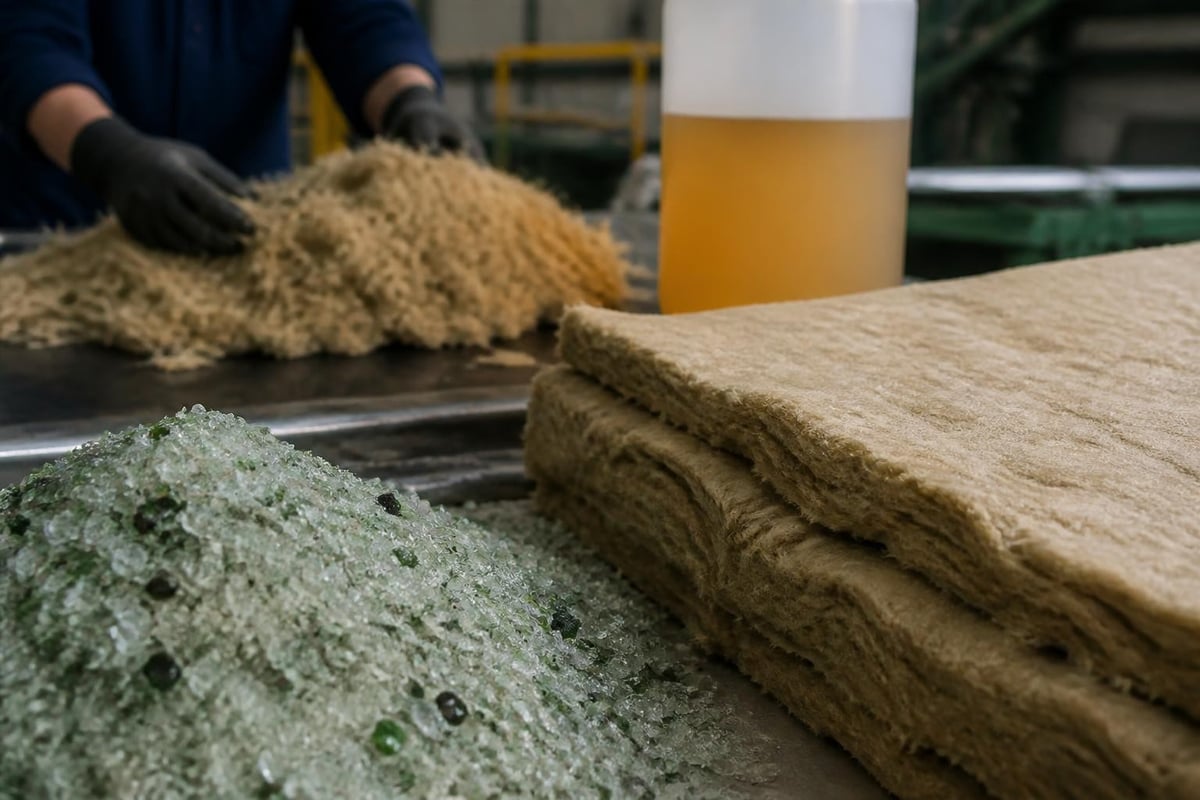
Earth wool represents a significant advancement in insulation technology. Unlike conventional glasswool products, earth wool is manufactured using up to 80% recycled glass content and a bio-based binder derived from rapidly renewable plant materials. This innovative approach reduces the environmental impact while delivering exceptional thermal performance.
The distinctive brown colour comes from the ECOSE® binder system, which eliminates the need for harmful chemical additives. This makes earth wool:
- Softer to touch and easier to handle during installation
- Lower in dust compared to traditional glasswool products
- Free from formaldehyde, phenol, and artificial colours
- Less itchy on skin, reducing irritation for installers
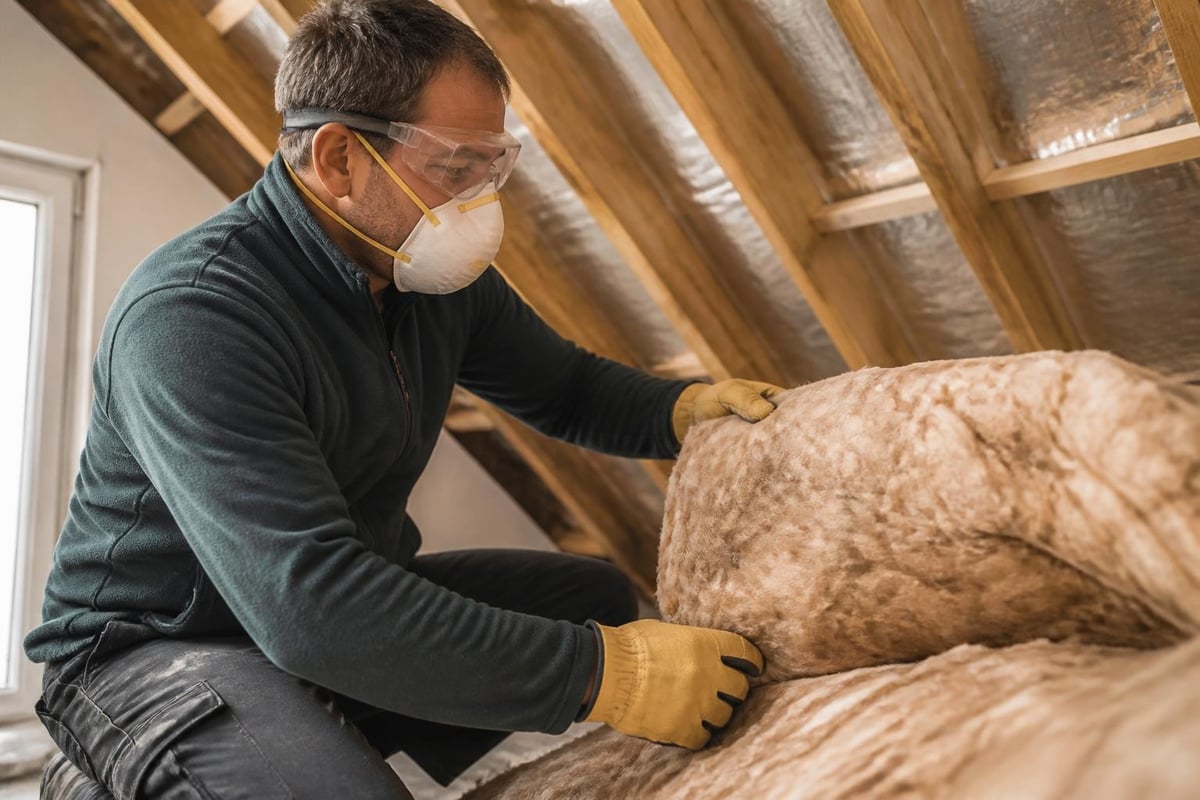
Traditional glasswool often requires protective gear and careful handling. Earth wool's improved composition means DIY renovators can work with the material more comfortably, though proper safety equipment remains important for any insulation project.
Environmental Benefits That Matter
Earth wool insulation's environmental credentials extend beyond the recycled glass content. The manufacturing process requires less energy than conventional insulation products, resulting in lower embodied carbon. The plant-based binder breaks down naturally at end of life, making earth wool a more sustainable choice for environmentally conscious builders.
The production process also generates minimal volatile organic compounds (VOCs), contributing to healthier indoor environments. This matters particularly for families with allergies or chemical sensitivities.
Thermal Performance Across Australian Climates
Earth wool delivers strong thermal resistance across the R-value spectrum, from R1.8 right up to R8.0 for extreme climate zones. The material's structure traps air within millions of tiny glass fibres, creating an effective barrier against heat transfer in both summer and winter.
| R-Value | Thickness | Best Application | Climate Suitability |
|---|---|---|---|
| R2.5-R3.0 | 90-120mm | Walls, underfloor | Temperate zones |
| R3.5-R4.0 | 175-195mm | Standard ceilings | Most Victoria homes |
| R5.0-R6.0 | 230-275mm | High-performance ceilings | Cold climates, energy-efficient builds |
| R7.0-R8.0 | 330-350mm | Premium installations | Alpine regions, passive house standards |
In Victoria's variable climate, selecting appropriate R-values makes a measurable difference to energy bills. Melbourne homes typically benefit from R3.5 to R4.0 in ceilings, while wall insulation performs well at R2.5 to R2.7. Regional areas with colder winters often justify higher R-values for improved comfort.
How Earth Wool Manages Heat Flow
The thermal performance of earth wool comes from its ability to slow conductive, convective, and radiant heat transfer. The fine glass fibres create countless air pockets that resist heat movement. Unlike reflective insulation that primarily addresses radiant heat, earth wool provides comprehensive thermal protection.
During summer, earth wool prevents external heat from penetrating living spaces. In winter, it retains warmth generated by heating systems. This dual-season performance makes it suitable for Australia's varied climate conditions, from coastal regions to inland areas with temperature extremes.
Acoustic Performance for Quieter Homes
Beyond thermal benefits, earth wool excels at sound absorption. The fibrous structure dampens airborne noise, making it valuable for walls between rooms, party walls in townhouses, and ceilings in multi-storey homes. Understanding mineral wool's acoustic properties helps when planning noise reduction strategies.
High-density earth wool variants specifically designed for acoustic applications offer enhanced sound absorption. These products typically feature density ratings between 18kg/m³ and 27kg/m³, compared to standard thermal batts at 11-14kg/m³.
Key acoustic applications include:
- Theatre rooms and home studios requiring sound control
- Bedrooms adjacent to noisy areas like laundries or bathrooms
- Walls separating living spaces from garages
- Floors between levels in two-storey homes
- Party walls in duplexes and townhouses
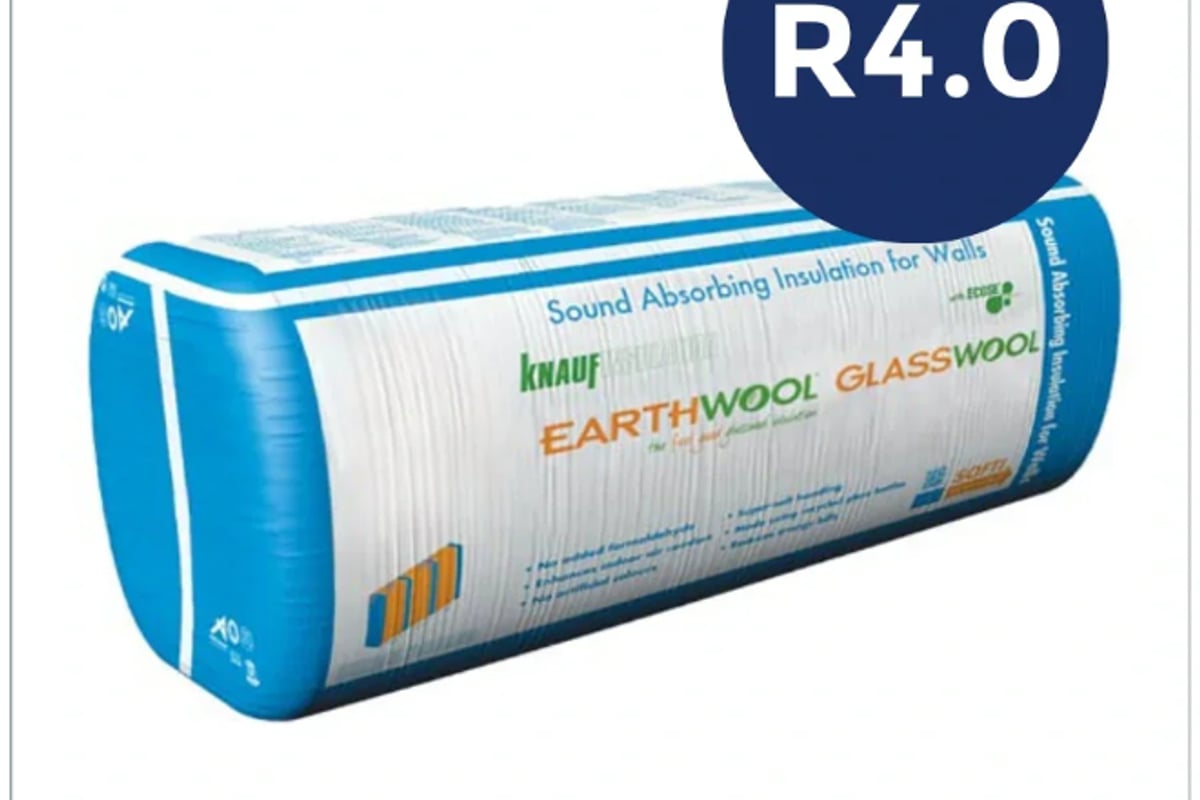
The Earthwool Sound Shield R4.0 combines superior acoustic dampening with excellent thermal performance, making it ideal for walls where both sound control and energy efficiency matter. This high-density product delivers measurable improvements in acoustic comfort while maintaining the installation ease earth wool is known for.
Installation Considerations and Best Practices
Proper installation maximises earth wool's performance potential. While the material is more forgiving than traditional glasswool, following correct procedures ensures optimal thermal and acoustic results.
Ceiling Installation Steps
Installing earth wool in ceilings requires attention to safety and technique. Detailed ceiling installation guidance covers essential steps, but key considerations include:
- Ensure batts fit snugly between joists without compression
- Cut batts slightly oversized for friction fit in irregular spaces
- Never compress insulation to fit - this reduces R-value
- Install vapour barriers correctly based on climate zone
- Maintain clearances around downlights and exhaust fans
Compression reduces the air pockets that provide insulation value. A compressed R4.0 batt might perform closer to R3.0, wasting money and compromising comfort.
Wall Insulation Requirements
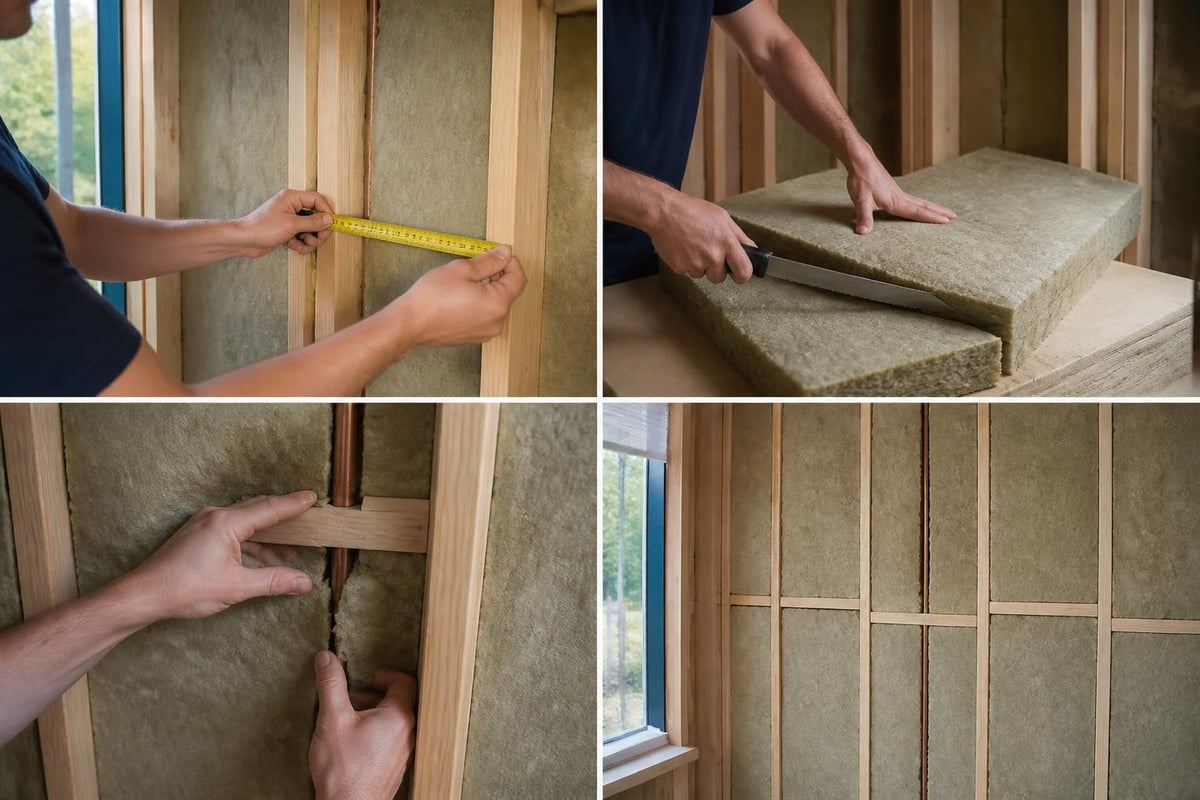
Wall cavities present different challenges than ceiling spaces. Earth wool batts designed for walls often come pre-cut to standard stud spacings of 430mm or 580mm centres. This simplifies installation and reduces waste.
Wall installation checklist:
- Measure cavity depth to select appropriate batt thickness
- Check for plumbing, electrical, or other services before installing
- Cut around services carefully, maintaining insulation continuity
- Ensure batts sit behind services where possible
- Fill all cavities completely to avoid thermal bridging
For masonry construction, official installation instructions provide specific guidance on cavity wall applications and moisture management.
Fire Safety and Building Code Compliance
Earth wool achieves excellent fire performance ratings, meeting Australian Standard AS/NZS 4859.1 requirements. The glass composition is non-combustible, and the ECOSE® binder maintains stability under heat exposure.
| Fire Property | Earth Wool Performance | Benefit |
|---|---|---|
| Flammability Index | 0 | Non-combustible material |
| Smoke Development | Very Low | Reduced smoke in fire events |
| Spread of Flame | 0 | Will not contribute to fire spread |
| Maximum Heat Release | Passes requirements | Meets building code standards |
This fire resistance provides critical safety margins in residential construction. In bushfire-prone areas, non-combustible insulation contributes to overall building resilience, though specific Bushfire Attack Level (BAL) requirements may mandate additional construction measures.
Compliance with National Construction Code
The National Construction Code (NCC) sets minimum insulation requirements based on climate zone. Earth wool products span the full range of required R-values, making compliance straightforward across all Australian climate zones.
Victoria falls primarily into Climate Zones 6 and 7, with some alpine areas in Zone 8. Minimum ceiling R-values range from R3.5 to R6.0 depending on location and heating/cooling systems. Earth wool's range extends beyond these minimums, allowing builders to exceed code requirements for enhanced energy efficiency.
Long-Term Performance and Durability
Earth wool maintains its thermal and acoustic properties throughout its service life when installed correctly. Unlike some insulation materials that settle or degrade, glasswool products retain their loft and R-value for decades.
The key to longevity is protecting earth wool from moisture. While the material doesn't support mould growth, prolonged water exposure can compress fibres and reduce effectiveness. Proper building envelope design with adequate ventilation and moisture barriers preserves insulation performance.
Factors affecting earth wool longevity:
- Roof leaks or plumbing failures introducing water
- Inadequate ventilation causing condensation
- Damage from pests or rodents (rare but possible)
- Compression from storage items in ceiling spaces
- Building movement or settlement affecting fit
Regular building inspections catch potential issues before they compromise insulation effectiveness. Learn more about the long-term benefits of proper insulation to understand return on investment.
Comparing Earth Wool to Alternative Insulation Types
Understanding how earth wool stacks up against other insulation materials helps make informed product selections. Each insulation type offers distinct advantages depending on application and priorities.
Earth Wool vs Polyester
Polyester insulation provides good thermal performance and easy handling, but earth wool typically offers better acoustic properties. Polyester suits allergic individuals sensitive to glass fibres, while earth wool delivers superior fire resistance.
Earth Wool vs Rockwool
Both earth wool and rockwool (mineral wool made from basalt rock) provide excellent fire performance. Comprehensive mineral wool comparisons show rockwool offers slightly better fire ratings, while earth wool handles more comfortably and uses more recycled content.
Earth Wool vs Reflective Foil
Reflective insulation excels in reducing radiant heat but provides limited resistance to conductive and convective heat transfer. Earth wool delivers year-round performance across all heat transfer mechanisms, making it more versatile for most applications. Many builders combine both types for comprehensive thermal protection.
Health and Safety Considerations
Earth wool's improved formulation addresses many health concerns associated with traditional insulation materials. The absence of formaldehyde and reduced dust generation make installation safer, though precautions remain important.
Recommended safety measures:
- Wear long sleeves and gloves to minimise skin contact
- Use dust masks in enclosed spaces
- Ensure adequate ventilation during installation
- Wash hands and exposed skin after handling
- Keep insulation materials dry during storage
The reduced itch factor makes earth wool significantly more pleasant for DIY installers compared to older glasswool products. Many homeowners successfully tackle insulation projects themselves, though professional installation ensures optimal results, particularly for challenging spaces.
Cost-Effectiveness and Return on Investment
Earth wool typically costs moderately more than basic glasswool products but less than premium insulation types like polyester or expanded polystyrene boards. The price difference reflects the sustainable manufacturing process and enhanced handling characteristics.
For a typical Melbourne home ceiling (150m²), upgrading from R3.5 to R4.0 earth wool might add $200-400 to material costs. This modest investment delivers measurable energy savings, with many homeowners recovering costs through reduced heating and cooling bills within 3-5 years.
Calculating Energy Savings
The thermal efficiency improvements from proper insulation reduce HVAC energy consumption by 20-40% in most homes. Understanding why insulation matters demonstrates the financial and comfort benefits of adequate thermal protection.
A poorly insulated home in Victoria might spend $1,500-2,500 annually on heating and cooling. Installing appropriate earth wool insulation can reduce these costs by $300-800 per year, depending on home size, existing insulation levels, and energy prices.
Available Product Ranges and Specifications
Earth wool comes in multiple formats to suit different applications. Understanding available options helps match products to specific project requirements.
Batts and Segments
Pre-cut batts suit standard residential framing with consistent joist or stud spacing. Available in widths of 430mm and 580mm, these products minimise cutting and speed installation. Thickness ranges from 50mm for walls to 350mm for high-performance ceilings.
Browse earth wool batts to compare R-values, dimensions, and coverage per pack for your specific project needs.
Blankets and Rolls
Continuous blanket insulation suits applications with irregular spacing or commercial projects requiring extensive coverage. Rolls typically span 10-30 metres in length and 1200mm in width, allowing installers to cut custom lengths as needed.
Blanket products work well for:
- Unusual joist spacing in older homes
- Cathedral ceilings with exposed beams
- Large commercial or industrial projects
- Situations requiring minimal joins
Acoustic Variants
High-density earth wool specifically designed for acoustic applications offers enhanced sound absorption. These products balance thermal performance with superior noise reduction, making them ideal for media rooms, bedrooms, and shared walls.
Regional Considerations for Victorian Homes
Victoria's climate diversity requires tailored insulation approaches. Coastal areas experience milder temperatures but higher humidity, while inland regions face greater temperature extremes. Alpine areas demand maximum R-values for winter comfort.
Regional earth wool recommendations:
- Melbourne Metro: R3.5-R4.0 ceilings, R2.5 walls
- Geelong/Bellarine: R3.5 ceilings, R2.5 walls
- Ballarat/Bendigo: R4.0-R5.0 ceilings, R2.5-R2.7 walls
- Alpine regions: R5.0-R6.0+ ceilings, R2.7-R3.5 walls
- Coastal areas: R3.5-R4.0 ceilings, focus on moisture management
Local building surveyors may recommend specific R-values based on microclimate conditions. Consulting with experienced insulation suppliers ensures compliance with both minimum code requirements and practical performance expectations.
Sustainable Building and Green Star Ratings
Earth wool contributes to sustainable building certifications including Green Star and NABERS ratings. The recycled content, low VOC emissions, and reduced manufacturing energy support points in multiple environmental assessment categories.
For homeowners pursuing environmentally responsible renovations, earth wool aligns with broader sustainability goals. The product supports:
- Reduced operational energy through improved thermal performance
- Lower embodied carbon compared to many alternative materials
- Healthier indoor air quality with formaldehyde-free composition
- Circular economy principles through high recycled content
Combining earth wool with other sustainable building practices like efficient windows, proper sealing, and renewable energy systems maximises environmental benefits and energy cost reductions.
Maintenance and Inspection Recommendations
Once installed, earth wool requires minimal maintenance. Periodic inspections ensure the insulation remains dry, properly positioned, and effective. Annual roof space checks catch potential issues early.
Inspection checklist:
- Look for water stains or damp insulation indicating leaks
- Check that batts haven't been disturbed or compressed
- Verify clearances around electrical fixtures remain adequate
- Confirm no pest activity or damage to materials
- Ensure ventilation remains unobstructed
If water damage occurs, affected earth wool sections should be removed and replaced. Damp insulation loses effectiveness and can contribute to moisture problems in ceiling spaces.
Making Informed Product Selections
Selecting appropriate earth wool products involves balancing thermal requirements, acoustic goals, budget constraints, and installation preferences. Detailed product information helps compare specifications and identify optimal solutions for specific applications.
Consider these factors when choosing earth wool:
- Required R-value based on climate zone and application
- Available cavity depth limiting maximum thickness
- Acoustic performance needs for noise-sensitive areas
- Standard framing spacing determining batt width
- Project scale affecting batts versus blanket products
Professional advice from insulation specialists helps navigate these considerations, ensuring product selections deliver intended performance at competitive prices.
Earth wool insulation represents a smart choice for Australian homeowners seeking sustainable, high-performance thermal and acoustic solutions. Its combination of recycled content, comfortable handling, and comprehensive performance across thermal, acoustic, and fire safety dimensions makes it suitable for diverse applications throughout Victoria. Whether you're upgrading an older home's ceiling insulation or planning a complete renovation, Insulation Supplies Australia provides expert guidance, competitive pricing, and fast delivery on earth wool and complementary insulation products to help you create a more comfortable, energy-efficient home.