

When you think of bubble wrap, you probably picture packing material protecting fragile items during a move. But did you know that bubble wrap technology has found its way into the insulation industry? Bubble wrap insulation has become an increasingly popular choice for Australian homeowners looking for lightweight, easy-to-install thermal barriers. This reflective foil product combines air pockets with aluminium surfaces to create a versatile insulation solution that works differently from traditional batts and blankets. Whether you're renovating your home, building a shed, or improving your energy efficiency, understanding how this unique insulation performs can help you make smarter decisions for your project.
What Is Bubble Wrap Insulation
Bubble wrap insulation is a multi-layered reflective foil product that uses trapped air bubbles sandwiched between layers of aluminium foil or metallised polyester film. Unlike traditional bulk insulation materials like glasswool or polyester batts that slow down heat transfer through conduction and convection, bubble wrap insulation primarily works as a radiant barrier.
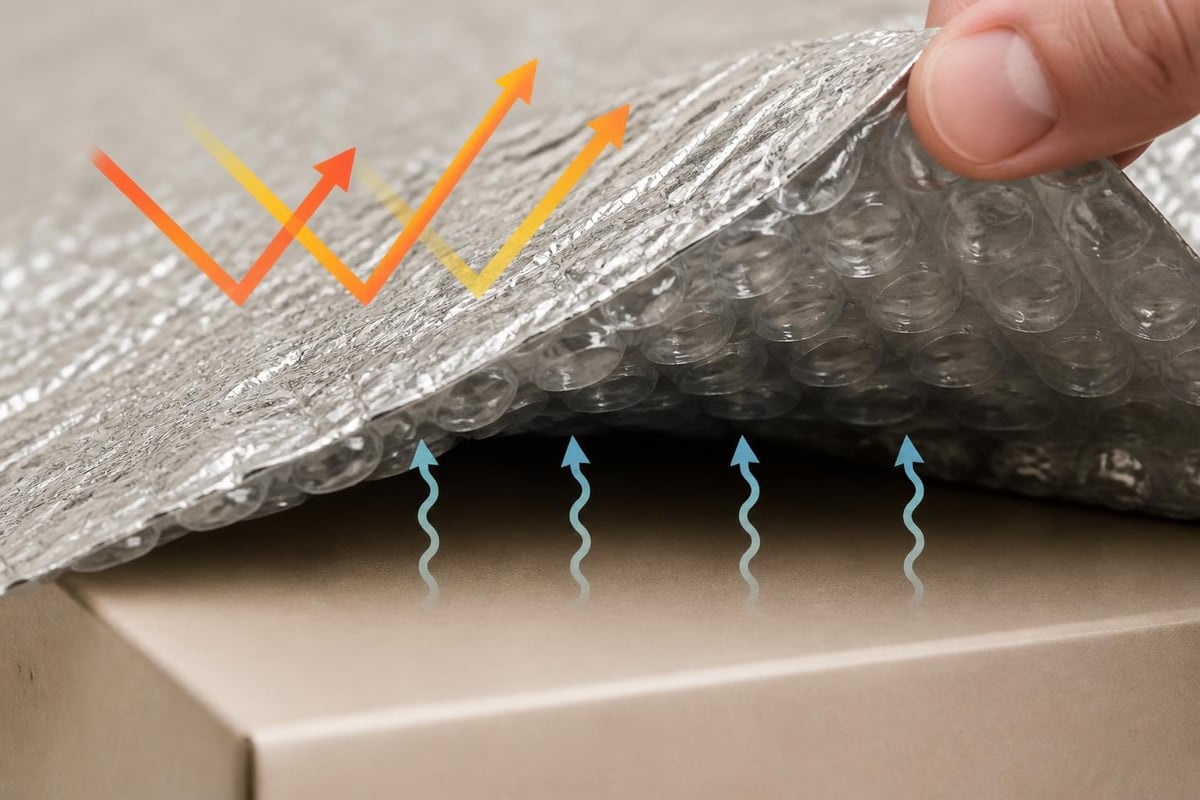
The construction is fairly straightforward. Two outer layers of reflective foil encapsulate one or more layers of polyethylene bubble wrap. The air trapped inside each bubble creates pockets of still air, which provides some resistance to heat flow. Meanwhile, the reflective surfaces on both sides bounce back radiant heat rather than absorbing it.
How It Works as a Thermal Barrier
The science behind bubble wrap insulation centres on reflectivity and trapped air. When heat travels in the form of radiation, the shiny aluminium surfaces reflect up to 97% of that radiant energy. This makes it particularly effective in roof spaces during summer, where radiant heat from the roof can account for a significant portion of heat gain.
The bubble layer adds a modest level of conductive resistance. Each air pocket acts as a small insulating chamber, slowing down heat transfer through the material itself. However, this R-value contribution is relatively low compared to thicker bulk insulation products.
Performance and R-Values
One of the most important questions homeowners ask is: what R-value does bubble wrap insulation provide? The answer depends on several factors including thickness, number of bubble layers, installation method, and air gap placement.
| Product Type | Typical R-Value | Best Application |
|---|---|---|
| Single bubble layer | R0.7 - R1.2 | Wall wrap, sarking |
| Double bubble layer | R1.4 - R2.0 | Underfloor, sheds |
| Triple bubble layer | R2.0 - R2.5 | Combined systems |
These R-values assume proper installation with air gaps on at least one side. Without an air gap, the reflective performance drops significantly because the foil needs a clear space to reflect radiant heat effectively.
Where It Falls Short
Bubble wrap insulation won't meet the thermal requirements for most ceiling applications under the National Construction Code (NCC). In Victoria, new homes typically require ceiling insulation with R-values between R3.5 and R6.0 depending on climate zone. A single layer of bubble wrap insulation simply can't achieve these levels on its own.
That said, it can be used as a supplementary product. Many builders combine bubble wrap insulation with bulk insulation to boost overall thermal performance and add a moisture barrier.
Common Applications for Bubble Wrap Insulation
Despite its limitations as a standalone ceiling solution, bubble wrap insulation shines in several specific applications around the home.
Underfloor Insulation
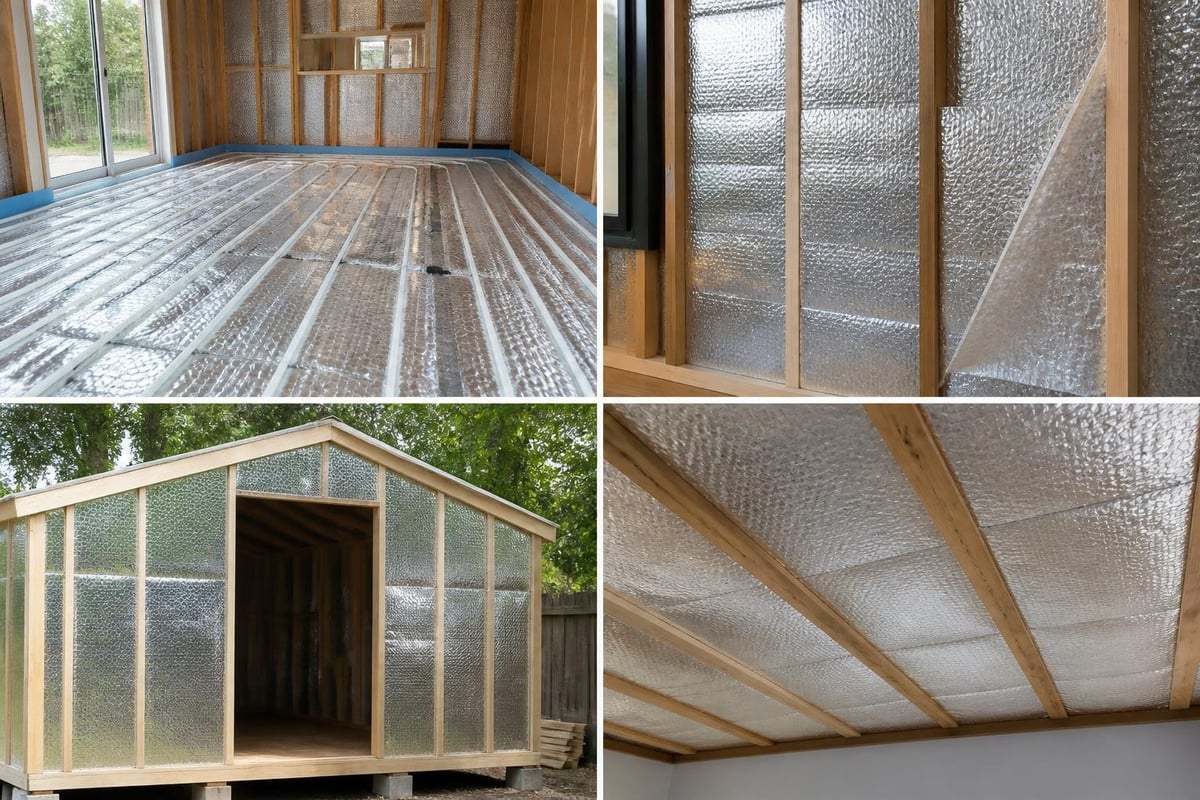
This is perhaps the most popular use case. Installing bubble wrap insulation beneath suspended timber floors creates a thermal barrier that reduces heat loss to the ground and blocks draughts from entering through floorboards. The reflective layers face up and down, while the lightweight material makes installation between joists relatively straightforward.
For underfloor applications, homeowners often achieve better results by combining bubble wrap with purpose-designed underfloor insulation products that offer higher R-values and superior draught-stopping performance.
Shed and Workshop Insulation
Sheds, garages, and workshops benefit significantly from bubble wrap insulation. These structures often lack the space for thick batts, and the quick installation process appeals to DIY builders. The material can be stapled directly to timber frames, creating an immediate improvement in thermal comfort without major construction work.
- Lightweight and easy to handle alone
- No special safety equipment required
- Can be cut with ordinary scissors or a knife
- Reflects summer heat effectively in metal roof spaces
Wall Wrap and Sarking
Some builders use bubble wrap insulation as wall wrap or roof sarking. In these applications, it serves primarily as a moisture barrier and radiant barrier rather than a high-performance thermal insulator. The product must be installed with the reflective side facing the air gap to maximise radiant heat reflection.
However, purpose-designed wall wraps often perform better in terms of breathability and long-term durability. A permeable wall wrap allows moisture vapour to escape from wall cavities while still blocking wind and rain.
Installation Considerations
Installing bubble wrap insulation correctly is crucial for achieving the advertised thermal performance. The most common mistake is installing it without air gaps, which drastically reduces its effectiveness.
The Air Gap Rule
For maximum performance, bubble wrap insulation needs at least a 25mm air gap on one side. Ideally, you'd have air gaps on both sides, but this isn't always practical. The air gap allows the reflective surface to bounce radiant heat back rather than conducting it directly to the adjacent surface.
When installing underfloor, the material typically gets draped between floor joists, creating natural air gaps above and below. In walls or roofs, you need to ensure adequate spacing using furring strips or by positioning the insulation carefully within the cavity.
Overlaps and Joins
All joins should overlap by at least 100mm to prevent thermal bridging and air leakage. Use appropriate tape designed for foil products, as standard masking tape often fails over time due to temperature fluctuations and humidity.
- Measure the space carefully before cutting
- Allow extra material for overlaps at joins
- Use foil tape to seal all seams
- Staple edges firmly to framing members
- Avoid compressing the bubble layer
Safety and Handling
Unlike glasswool insulation, bubble wrap insulation doesn't require extensive safety equipment. There's no itchy fibres or dust to worry about. However, you should still take basic precautions:
- Wear gloves when handling for extended periods
- Use safety glasses when cutting overhead
- Ensure adequate ventilation in enclosed spaces
- Watch for sharp edges on the foil that can cause minor cuts
Moisture Management
One significant advantage of bubble wrap insulation is its resistance to moisture. The sealed bubble construction and foil layers create a vapour barrier that prevents moisture transmission. This characteristic makes it valuable in certain applications but potentially problematic in others.
When Moisture Resistance Helps
In underfloor applications, blocking moisture rising from the ground protects floor timbers from rot and decay. The impermeable nature of bubble wrap insulation works in your favour here. Similarly, in shed construction where condensation control matters, the vapour barrier can prevent moisture from penetrating insulation and causing problems.
When Breathability Matters More
In wall cavities, you generally want moisture vapour to escape rather than get trapped. If moisture becomes trapped between the bubble wrap and external cladding, it can lead to timber decay, mould growth, and structural damage over time.
For wall insulation applications, breathable products that allow vapour transmission while blocking liquid water often perform better in the long term. This is why builders frequently choose permeable wall wraps instead of bubble wrap for wall sarking applications.
Cost Comparison and Value
Bubble wrap insulation typically costs less per square metre than premium glasswool or polyester batts. For budget-conscious renovators, this price difference can be attractive, especially when insulating large areas like shed roofs or underfloor spaces.
| Insulation Type | Approximate Cost per m² | Typical R-Value |
|---|---|---|
| Bubble wrap (single) | $3 - $6 | R0.7 - R1.2 |
| Bubble wrap (double) | $6 - $10 | R1.4 - R2.0 |
| Glasswool batts | $8 - $15 | R2.5 - R4.0 |
| Polyester batts | $10 - $18 | R2.5 - R4.0 |
However, when you compare thermal performance per dollar spent, the value equation shifts. Higher R-value products deliver better long-term energy savings despite higher upfront costs.
Return on Investment
The payback period for any insulation investment depends on climate, energy costs, and existing insulation levels. Bubble wrap insulation installed in an uninsulated shed might pay for itself in reduced heating and cooling costs within a few years. But in a ceiling application where building codes require higher R-values, you'd need to combine it with bulk insulation anyway, adding to total costs.
Combining Bubble Wrap with Other Insulation
Many experienced builders use bubble wrap insulation as part of a multi-layered system rather than a standalone solution. This approach leverages the strengths of different insulation types.
Layering Strategy
A common combination involves installing bulk insulation batts between ceiling joists or wall studs, then adding a layer of bubble wrap insulation as roof sarking or wall wrap. The bulk insulation provides high R-value thermal resistance, while the bubble wrap adds radiant heat reflection and moisture protection.
This hybrid approach can push total R-values above minimum code requirements while adding the benefit of radiant barrier performance during hot summer months. The reflective layer reduces the heat load on the bulk insulation, helping it maintain effectiveness even during extreme temperature events.
Installation Order Matters
When combining products, sequence matters. In roof applications, bubble wrap sarking goes on first (over rafters), followed by bulk insulation batts between ceiling joists. This arrangement creates an air gap between the hot roof and the sarking, allows ventilation above the bulk insulation, and prevents bulk insulation from touching the roof surface where condensation might occur.
Limitations and Realistic Expectations
Being honest about limitations helps homeowners make informed decisions. Bubble wrap insulation isn't a miracle product that solves all thermal comfort problems.
What It Won't Do
Don't expect bubble wrap insulation to transform a poorly insulated house into a thermally efficient home on its own. The modest R-values mean heat will still transfer through it, just at a slightly slower rate than through bare materials. You won't achieve the dramatic energy bill reductions possible with comprehensive bulk insulation upgrades.
It also won't eliminate noise transmission effectively. While it might slightly dampen airborne sound, it's not designed as an acoustic insulation solution. Purpose-built acoustic products deliver far better sound blocking performance.
Durability Concerns
Over time, bubble wrap insulation can degrade. The plastic bubbles may compress if subjected to pressure, reducing the air gap that provides insulating value. UV exposure breaks down the plastic and reflective coating, so it must always be protected from direct sunlight. Rodents have been known to damage bubble wrap insulation in roof and underfloor spaces, creating gaps that allow heat loss.
Quality matters significantly. Premium products with thicker bubbles and robust aluminium foil layers last longer than budget alternatives with thin plastic and metallised film that degrades quickly.
Selecting the Right Product
If you've decided bubble wrap insulation suits your project, choosing the right product variant ensures optimal performance.
Bubble Layer Count
Single bubble products offer the lowest R-value but cost less and take up minimal space. They work well as sarking or in situations where you're primarily seeking radiant heat reflection rather than bulk thermal resistance.
Double bubble products provide better thermal performance and are popular for underfloor applications where you want meaningful insulation improvement without excessive thickness. The extra bubble layer roughly doubles the conductive resistance.
Triple bubble variants deliver the highest performance available in bubble wrap format, though they're still modest compared to thick bulk insulation. These suit situations where you need the maximum R-value possible from this type of product.
Foil Quality
Pure aluminium foil reflects more radiant heat than metallised polyester film. However, aluminium foil is more expensive and can tear more easily during installation. Metallised film is tougher and more forgiving for DIY installers but provides slightly lower reflectivity.
For residential applications, the performance difference is usually minimal. Both materials will reflect the majority of radiant heat when properly installed with air gaps.
Building Code Compliance
Before purchasing any insulation, verify it meets building code requirements for your specific application and climate zone. The National Construction Code (NCC) sets minimum R-values for different parts of buildings across Australia's various climate zones.
Melbourne and most of Victoria fall into Climate Zone 6, which requires:
- Ceilings: Minimum R3.5 to R6.0 depending on roof type
- Walls: Minimum R1.5 to R2.8 depending on construction
- Floors: Minimum R1.0 to R2.0 depending on floor type
Bubble wrap insulation alone won't meet ceiling requirements in Victoria. It can potentially satisfy floor requirements with double or triple bubble products, but you should verify specific R-values with product specifications before purchasing.
For renovation work, compliance requirements can differ from new construction. However, meeting current standards even in renovations delivers better thermal comfort and energy efficiency.
Bubble wrap insulation offers a lightweight, easy-to-install option for specific applications like underfloor spaces, sheds, and supplementary radiant barriers, but it won't replace high R-value bulk insulation where building codes demand superior thermal performance. Understanding where this product fits in your insulation strategy helps you make smart choices that balance cost, performance, and installation ease. Whether you need underfloor protection, shed insulation, or want to explore your complete insulation options, Insulation Supplies Australia provides expert guidance, quality products, and fast delivery across Victoria to make your project simple and successful.