
You've probably seen the hack online: using bubble wrap for insulation in your windows, garage, or shed. It sounds clever, cheap, and easy. But does it actually work? And more importantly, is it safe and compliant with Australian building standards? Let's unpack the truth about bubble wrap as an insulation solution, explore where it might have limited use, and look at what proper insulation can do for your home's comfort and energy efficiency.
What Is Bubble Wrap and Why Do People Use It for Insulation?
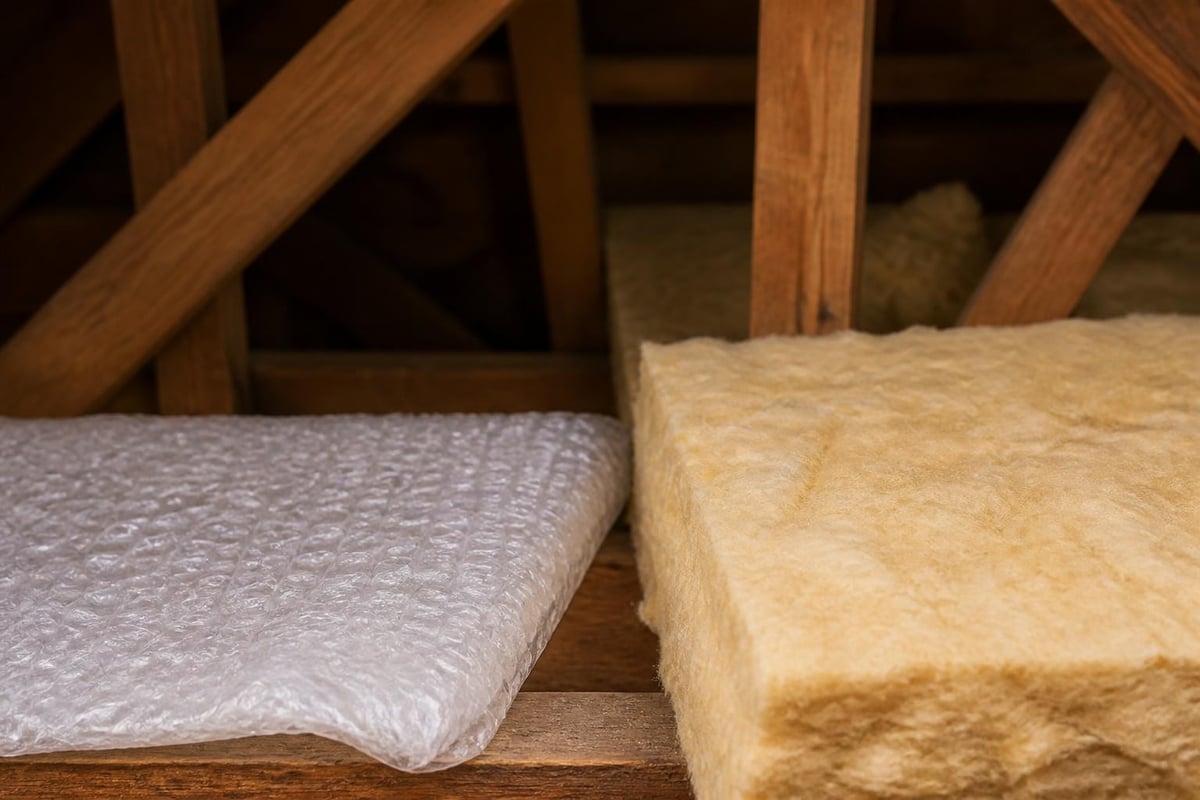
Bubble wrap is a plastic packaging material made from polyethylene film with air-filled bubbles. It's designed to protect fragile items during shipping. The air trapped inside the bubbles provides a small amount of thermal resistance, which is why some people experiment with it as a low-cost insulation alternative.
The appeal is obvious. Bubble wrap is:
- Cheap and widely available
- Easy to cut and apply with tape
- Lightweight and simple to handle
- Transparent, so it doesn't block light when used on windows
Some homeowners tape it to windows during winter, hoping to reduce heat loss. Others use it in garden sheds, temporary structures, or shipping containers. But before you start taping bubble wrap all over your home, there are serious limitations and risks you need to understand.
Does Bubble Wrap Actually Provide Insulation?
Technically, yes. Bubble wrap does provide a small amount of thermal resistance. The air pockets slow down heat transfer, similar to how proper insulation works. However, the R-value (a measure of thermal resistance) of bubble wrap is extremely low compared to real insulation materials.
Standard single-layer bubble wrap might offer an R-value of around 0.1 to 0.3, depending on bubble size and thickness. Even thick, multi-layer bubble wrap products marketed for greenhouse use rarely exceed R1.0. For context, modern Australian building codes require ceiling insulation to be at least R3.5 in most climate zones, and often higher.
The bottom line: Bubble wrap for insulation is nowhere near effective enough for proper building applications. It might take a tiny edge off a cold window, but it won't deliver meaningful energy savings or comfort improvements.
Where Bubble Wrap Might Be Used (and Its Limitations)
Let's be practical. There are a handful of situations where bubble wrap for insulation might offer marginal benefits, but even these come with major caveats.
Temporary Window Insulation
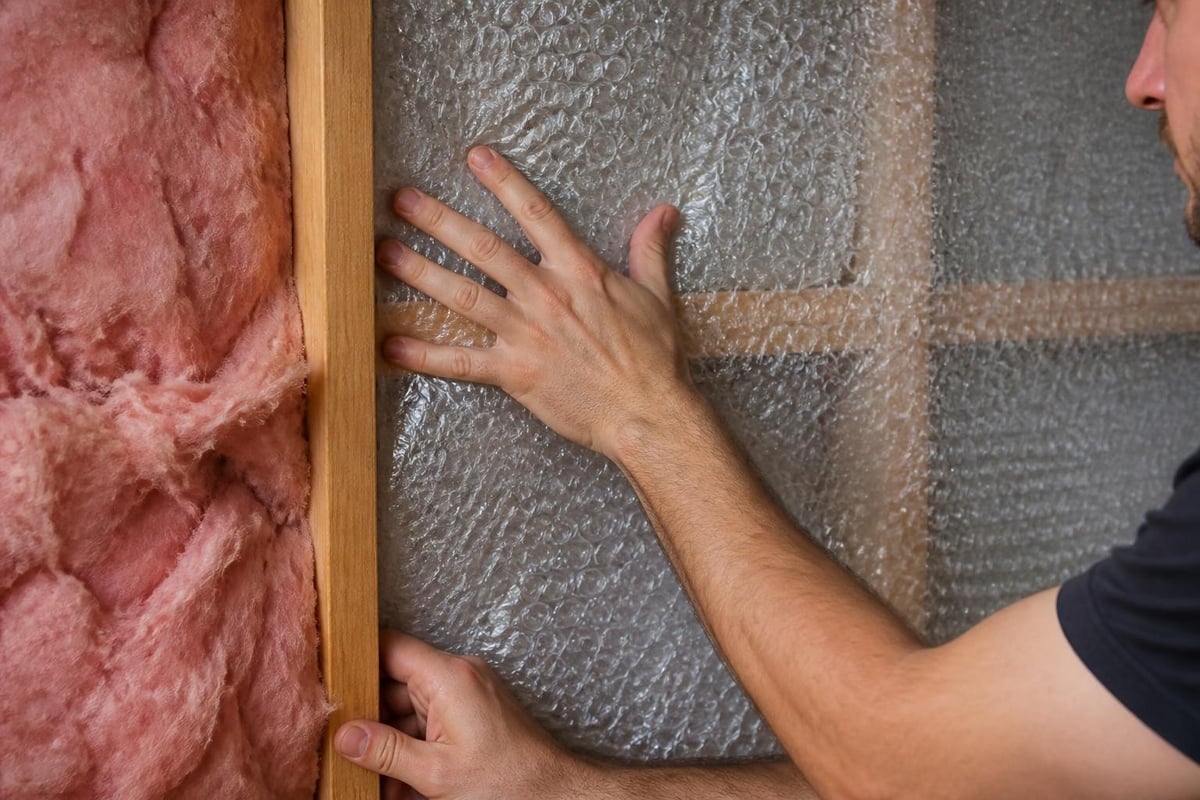
Some people tape bubble wrap to single-glazed windows during winter. The air pockets create a small insulating layer between the glass and the room. This can reduce condensation and make the window feel slightly less cold to the touch.
Limitations:
- Only works on single-glazed windows (double glazing is far superior)
- Blocks natural light and views
- Tape residue can damage window frames and paint
- No improvement to overall room temperature or energy bills
- Not a permanent or code-compliant solution
Greenhouses and Garden Sheds
Gardeners sometimes line greenhouse walls or shed interiors with bubble wrap to protect plants from frost. This is more about creating a slightly more stable microclimate than delivering true insulation.
Limitations:
- High fire risk if near heat sources or electrical equipment
- Degrades quickly under UV exposure
- Doesn't comply with building codes for habitable spaces
- Poor moisture control can lead to condensation and mould
| Application | Bubble Wrap Performance | Better Alternative |
|---|---|---|
| Windows | Minimal, blocks light | Double glazing or cellular blinds |
| Ceiling insulation | Ineffective, non-compliant | Glasswool or polyester batts (R3.5+) |
| Wall insulation | Ineffective, fire risk | Earthwool batts or rigid foam boards |
| Underfloor insulation | Ineffective, moisture issues | Purpose-built underfloor batts or foil |
| Greenhouses | Marginal, degrades fast | Proper greenhouse film or rigid panels |
Why Bubble Wrap Fails as Proper Insulation
There are several fundamental reasons why bubble wrap for insulation doesn't stack up against real insulation materials.
Low Thermal Resistance
As mentioned, the R-value is simply too low to make any meaningful difference in a home environment. Even if you layered bubble wrap multiple times, you'd still fall far short of the thermal performance required by the National Construction Code (NCC).
Moisture and Condensation Problems
Bubble wrap is a vapour barrier. When used incorrectly (like taped directly to cold surfaces), it can trap moisture and cause condensation. This leads to mould growth, timber rot, and damage to wall and ceiling structures.
Fire Safety Concerns
Polyethylene is flammable. It's not designed to meet fire safety standards for building materials. Using bubble wrap for insulation in walls, ceilings, or near electrical fittings is a serious fire hazard.
Key safety points:
- Bubble wrap can melt and release toxic fumes when exposed to heat
- It doesn't meet Australian fire safety classifications (e.g., AS/NZS 1530)
- Using it in habitable spaces could void home insurance
- Not approved for use in any building code scenario
Durability and Degradation
Bubble wrap degrades quickly, especially when exposed to sunlight, temperature changes, and physical wear. It becomes brittle, yellows, and loses what little insulating value it had. Proper insulation materials are designed to last the lifetime of the building.
Non-Compliance with Building Codes
In Australia, any insulation installed in a habitable building must comply with the NCC and relevant Australian Standards. Bubble wrap for insulation does not meet these requirements. If you're renovating or building, using bubble wrap could result in failed inspections, fines, and costly rework.
What Proper Insulation Offers That Bubble Wrap Cannot
Real insulation products are engineered to deliver thermal performance, safety, durability, and compliance. Here's what you get with purpose-built insulation that bubble wrap simply cannot provide.
High Thermal Performance
Modern insulation materials like glasswool, polyester, and reflective foil deliver R-values from R1.5 to R7.0 and beyond. This means real, measurable reductions in heating and cooling costs, improved comfort year-round, and better temperature stability.
For example, a quality glasswool blanket product provides consistent thermal resistance, helping to keep your home warm in winter and cool in summer far more effectively than any amount of bubble wrap ever could.
Fire Safety and Compliance
Quality insulation is tested and certified to meet Australian fire safety standards. Glasswool and polyester batts are non-combustible or have low flammability ratings. They won't melt, drip, or release toxic fumes in a fire.
Moisture Management
Professional insulation products are designed to work with your building's moisture management system. Breathable batts allow vapour to pass through, reducing condensation risk. Foil-faced products include proper installation guidelines to avoid moisture trapping.
Acoustic Benefits
Many insulation products also reduce noise transfer between rooms and from outside. Acoustic insulation batts are specifically designed to absorb sound, improving comfort and privacy in your home.
Long-Term Durability
Quality insulation lasts 50+ years without degrading, sagging, or losing performance. It's a one-time investment that pays dividends in comfort and energy savings for decades.
Professional Installation Support
When you buy proper insulation, you can access professional installation advice and support. DIY-friendly products come with clear guidelines, and you can always consult experts to ensure the job is done right.
Better Alternatives to Bubble Wrap for Every Situation
If you're looking for affordable, effective insulation solutions, here are the right products for common applications.
For Windows
Instead of taping bubble wrap to your windows, consider:
- Cellular blinds or honeycomb shades: These provide insulation and light control
- Heavy curtains with thermal lining: Affordable and effective
- Double glazing or secondary glazing: The best long-term solution
- Weather sealing: Fix draughts around frames first
For Ceilings
Ceiling insulation is the most important upgrade you can make. Choose glasswool or polyester batts rated to at least R3.5, or higher for better performance. Products are available in standard sizes to fit between joists, and installation is straightforward for competent DIYers.
For Walls
Wall insulation improves comfort and reduces energy bills. Depending on your wall type and space, options include:
- Glasswool batts for timber-framed walls
- Rigid foam boards for masonry or renovation projects
- Loose-fill insulation for hard-to-reach cavities
For Underfloors
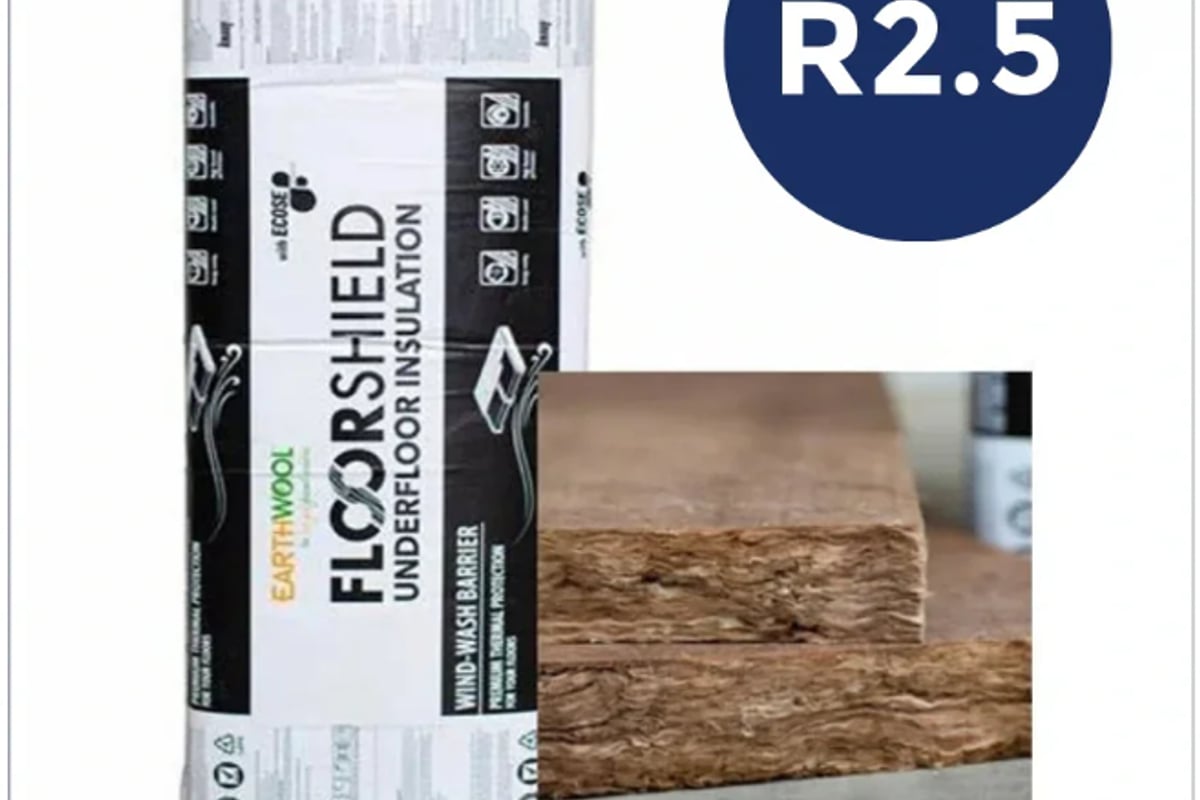
Cold floors are a common comfort issue in Australian homes. Instead of bubble wrap, use purpose-built underfloor insulation designed to fit between floor joists, block draughts, and deliver real thermal performance. These products are moisture-resistant and easy to install from below.
For homeowners tackling underfloor projects, combining quality batts with a proper vapour barrier ensures long-term performance and comfort without the risks associated with makeshift materials.
For Sheds and Garages
Even non-habitable spaces benefit from proper insulation. Reflective foil, rigid foam boards, or lightweight glasswool blankets are all better choices than bubble wrap. They're more durable, safer, and far more effective.
How to Choose the Right Insulation for Your Project
Choosing insulation doesn't have to be complicated. Follow these steps to find the right product for your needs.
- Identify the area: Ceiling, wall, underfloor, or roof?
- Check the required R-value: Refer to the NCC or ask an expert
- Measure your space: Note joist spacing, cavity depth, and area
- Consider your budget: Balance upfront cost with long-term savings
- Check compliance: Ensure the product meets Australian Standards
- Get expert advice: Talk to a specialist if you're unsure
Insulation Supplies Australia makes it easy to compare products, check specifications, and order online with fast delivery across Victoria. Whether you're insulating a single room or an entire home, you'll find the right solution at competitive prices.
The Real Cost of Using Bubble Wrap for Insulation
It might seem like a bargain to grab a roll of bubble wrap from the hardware store, but the real cost is higher than you think.
Hidden costs include:
- Wasted time and effort on a solution that doesn't work
- Higher energy bills due to inadequate thermal performance
- Potential moisture damage and mould remediation costs
- Fire safety risks and possible insurance complications
- Failed building inspections and costly rework
- Lost comfort and reduced property value
By contrast, investing in proper insulation delivers immediate comfort improvements, lower energy bills, compliance with building codes, and increased home value. It's a smart investment that pays for itself over time.
Common Myths About Bubble Wrap for Insulation
Let's bust a few persistent myths.
Myth 1: "Bubble wrap works just as well as real insulation"
Fact: Bubble wrap's R-value is 10 to 30 times lower than proper insulation. It's not even close.
Myth 2: "It's safe because it's just plastic"
Fact: Polyethylene is flammable and releases toxic fumes when burned. It's not safe for building applications.
Myth 3: "I can save hundreds of dollars on my power bill"
Fact: The energy savings from bubble wrap are negligible. Real insulation delivers measurable, significant savings.
Myth 4: "It's fine for temporary use"
Fact: Even temporary use can cause condensation, mould, and fire risks. Better temporary solutions exist (like portable heaters with proper ventilation).
Myth 5: "More layers = better performance"
Fact: Layering bubble wrap still won't reach code-compliant R-values, and it increases fire risk.
What the Experts Say About DIY Insulation Hacks
Building scientists, energy assessors, and insulation professionals universally recommend against using bubble wrap for insulation in homes. The performance, safety, and compliance issues far outweigh any perceived cost savings.
Australian Standards and the National Construction Code exist to protect homeowners and ensure buildings are safe, durable, and energy-efficient. Shortcuts like bubble wrap undermine these protections and can lead to serious problems down the track.
If budget is a concern, focus on proper insulation in the most important areas first (like ceilings), and gradually expand your project. Even partial proper insulation is far better than full coverage with an ineffective material.
Making the Smart Choice for Your Home
Bubble wrap for insulation might seem like a clever hack, but it's a false economy. The risks, limitations, and poor performance make it a bad choice for any serious insulation project. Instead, invest in quality insulation products that deliver real comfort, energy savings, and peace of mind.
Whether you're renovating an older home, building new, or just looking to improve energy efficiency, the right insulation makes all the difference. And with expert advice, competitive pricing, and fast delivery, upgrading your home's insulation has never been easier.
Bubble wrap might protect your online shopping, but it's no substitute for proper insulation in your home. Real insulation delivers measurable comfort, energy savings, safety, and compliance that bubble wrap simply cannot match. If you're ready to upgrade your home with quality insulation products backed by expert advice and fast delivery across Victoria, Insulation Supplies Australia is here to help you find the right solution for your project. Get in touch today and make your home more comfortable and energy-efficient the right way.