

When you're looking for budget-friendly ways to improve your home's energy efficiency, the idea of using bubble wrap as insulation might sound appealing. This common packing material has been tested in greenhouses, temporary structures, and even windows for decades. But does bubble wrap actually work as insulation in Australian homes, and should you consider it for your renovation project? Let's examine the science, practical applications, and real-world performance of this unconventional insulation method.
What Makes Bubble Wrap Work as Insulation
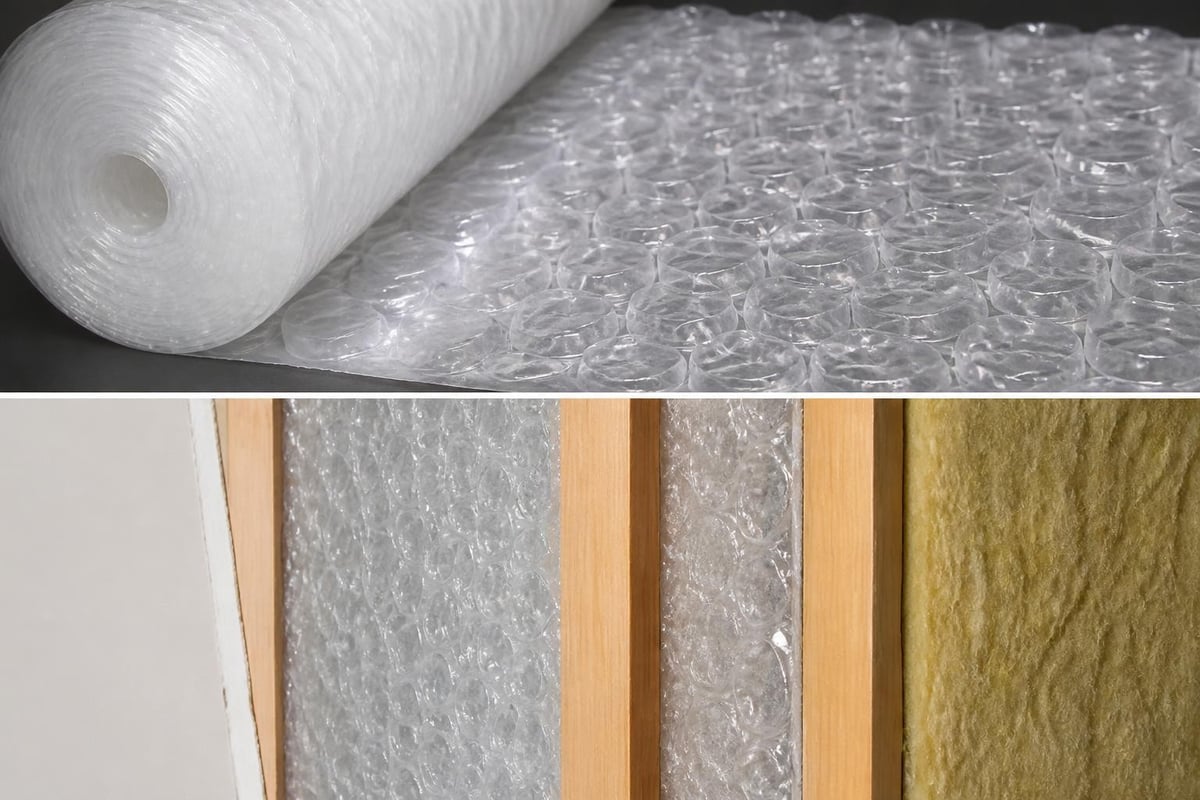
The insulating properties of bubble wrap come from its structure. Each air-filled pocket creates a tiny thermal barrier that resists heat transfer. When multiple layers stack together, these trapped air cells work similarly to the air gaps in double-glazed windows.
The Science Behind Air Pockets
Air is an excellent insulator when it's trapped and prevented from moving. The polyethylene film surrounding each bubble prevents convection currents from forming, while the air itself has very low thermal conductivity. Research shows that infrared-transparent bubble wrap designs can influence thermal performance in specific applications, particularly in managing radiant heat and condensation.
The R-value of bubble wrap as insulation depends heavily on:
- Bubble size and configuration (larger bubbles typically trap more air)
- Number of layers (double or triple bubble performs better than single)
- Thickness of the polyethylene film
- Whether the material includes reflective layers
Comparing Performance to Traditional Insulation
Standard bubble wrap typically achieves an R-value between 0.5 and 1.0 per layer, depending on its construction. Specialised insulating bubble wrap products with multiple layers and reflective coatings can reach R-values of 1.5 to 2.0. For context, most Australian homes require ceiling insulation with minimum R-values of 3.5 to 6.0, depending on climate zone.
| Material Type | Approximate R-Value | Thickness | Best Application |
|---|---|---|---|
| Single bubble wrap | 0.5-0.7 | 4-5mm | Temporary barriers |
| Double bubble wrap | 0.8-1.2 | 8-10mm | Windows, small gaps |
| Triple bubble foil | 1.5-2.0 | 10-15mm | Sheds, garages |
| Glasswool batts | 2.5-7.0 | 90-210mm | Walls, ceilings, floors |
The table clearly shows that while bubble wrap as insulation provides some thermal resistance, it falls well short of purpose-built insulation products for meeting building code requirements.
Practical Applications Where Bubble Wrap Can Help
Despite its limitations, bubble wrap as insulation does have legitimate uses in specific situations. Understanding where it works best helps you make informed decisions about your insulation strategy.
Window Insulation
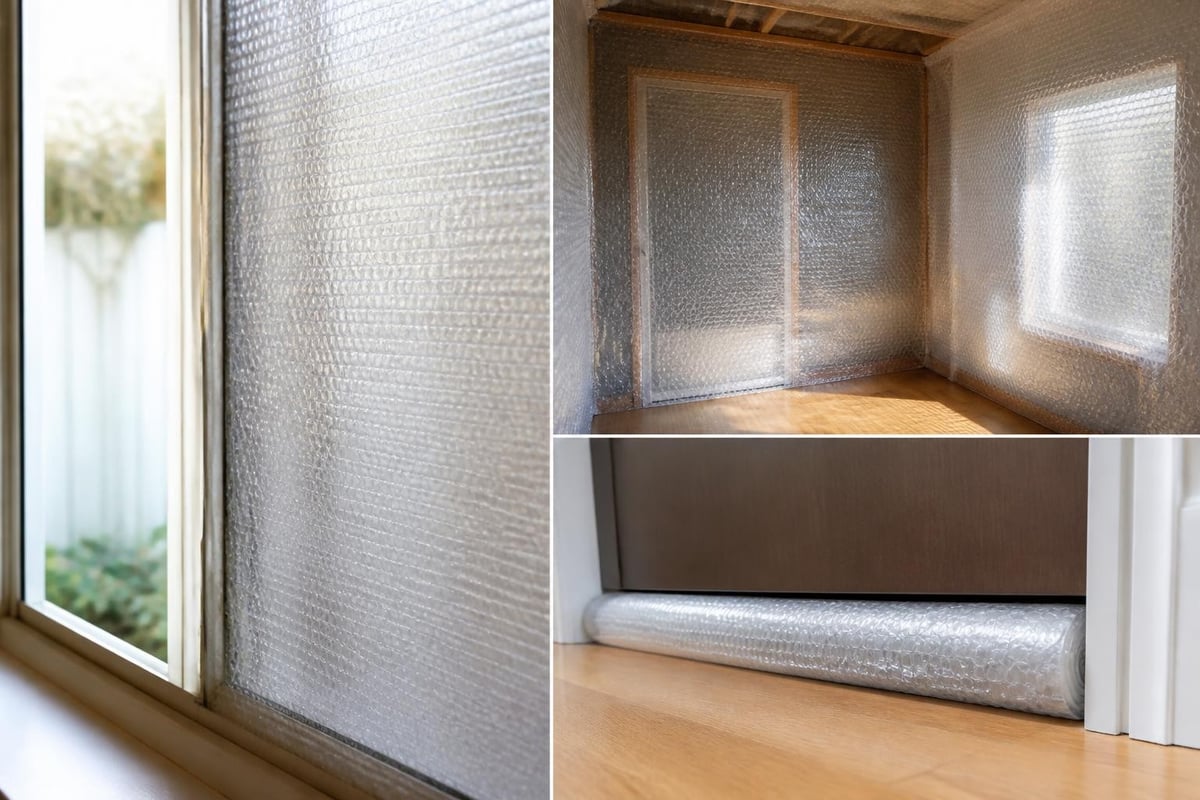
Applying bubble wrap to windows is one of the most common and effective uses. The material allows natural light through while reducing heat loss during winter. To install:
- Cut bubble wrap to fit your window pane dimensions
- Spray a light mist of water on the glass
- Press the bubble side against the window
- Smooth out air pockets and trim excess material
- The surface tension holds it in place without adhesive
This method works particularly well for single-glazed windows in rooms you don't use frequently. However, it does reduce visibility and may look unattractive from outside your home.
Temporary Structures and Sheds
For garden sheds, workshops, or temporary buildings where you need basic thermal improvement without significant investment, bubble wrap as insulation can provide noticeable benefits. Many DIY enthusiasts staple reflective bubble wrap to shed walls and roofs, creating an affordable barrier against temperature extremes.
Recent studies examining energy reductions using polyethylene bubble-type films in greenhouse and bench covers demonstrate measurable thermal improvements in agricultural structures, which share similarities with basic outbuildings.
Pipe Insulation and Draft Sealing
Wrapping exposed pipes in bubble wrap during cold snaps offers emergency frost protection. Similarly, you can use it to seal drafty gaps around doors, windows, or in roof spaces as a temporary measure while you source proper insulation materials.
For more permanent solutions in these areas, consider dedicated products designed for Australian conditions. Underfloor insulation systems, for example, provide superior and long-lasting performance compared to improvised bubble wrap installations.
Limitations and Performance Issues
Before committing to bubble wrap as insulation for any significant project, you need to understand its serious limitations and potential problems.
Fire Safety Concerns
Polyethylene bubble wrap is highly flammable and not rated for use as building insulation under the National Construction Code (NCC). When exposed to flames or high heat, it melts, drips, and can spread fire rapidly. Using it in wall cavities, ceilings, or other enclosed building spaces creates significant fire hazards.
Critical safety points:
- Never use bubble wrap as a substitute for compliant building insulation
- Don't install it near heat sources, electrical wiring, or light fittings
- Avoid using it in enclosed cavities where fire could spread unseen
- Keep it away from hot water pipes or heating systems
Moisture and Condensation Problems
Bubble wrap creates a vapour barrier that can trap moisture inside building cavities. In Australian climates, this often leads to:
- Condensation formation between the bubble wrap and cold surfaces
- Mould growth where moisture accumulates
- Structural damage to timber framing over time
- Reduced effectiveness as water fills air pockets
The infrared transparency and thermal imaging research comparing bubble wrap with other cover films highlights how different materials manage moisture and thermal performance in real-world conditions.
Durability and Degradation
Unlike purpose-built insulation that maintains performance for decades, bubble wrap as insulation deteriorates relatively quickly:
| Issue | Timeline | Impact |
|---|---|---|
| UV degradation | 6-12 months | Brittleness, loss of air pockets |
| Physical damage | Varies | Punctured bubbles lose R-value |
| Adhesive failure | 3-6 months | Material sags or falls |
| Dust accumulation | 1-2 months | Reduced light transmission |
Building Code Compliance and Insurance
Using bubble wrap as insulation in walls, ceilings, or floors of your home won't meet Australian building regulations. The NCC sets minimum thermal performance requirements that bubble wrap cannot achieve. More importantly, non-compliant insulation can void your home insurance and cause problems when selling your property.
What the NCC Requires
Building regulations mandate specific R-values for different climate zones across Victoria. Melbourne falls into Climate Zone 6 or 7, requiring:
- Ceiling insulation: Minimum R3.5 to R6.0
- Wall insulation: Minimum R1.5 to R2.8
- Underfloor insulation: Minimum R1.0 to R2.0
These requirements exist to ensure homes remain comfortable year-round while minimising energy consumption. Bubble wrap as insulation achieves only a fraction of these values, making it unsuitable for code compliance.
Professional Installation Recommendations
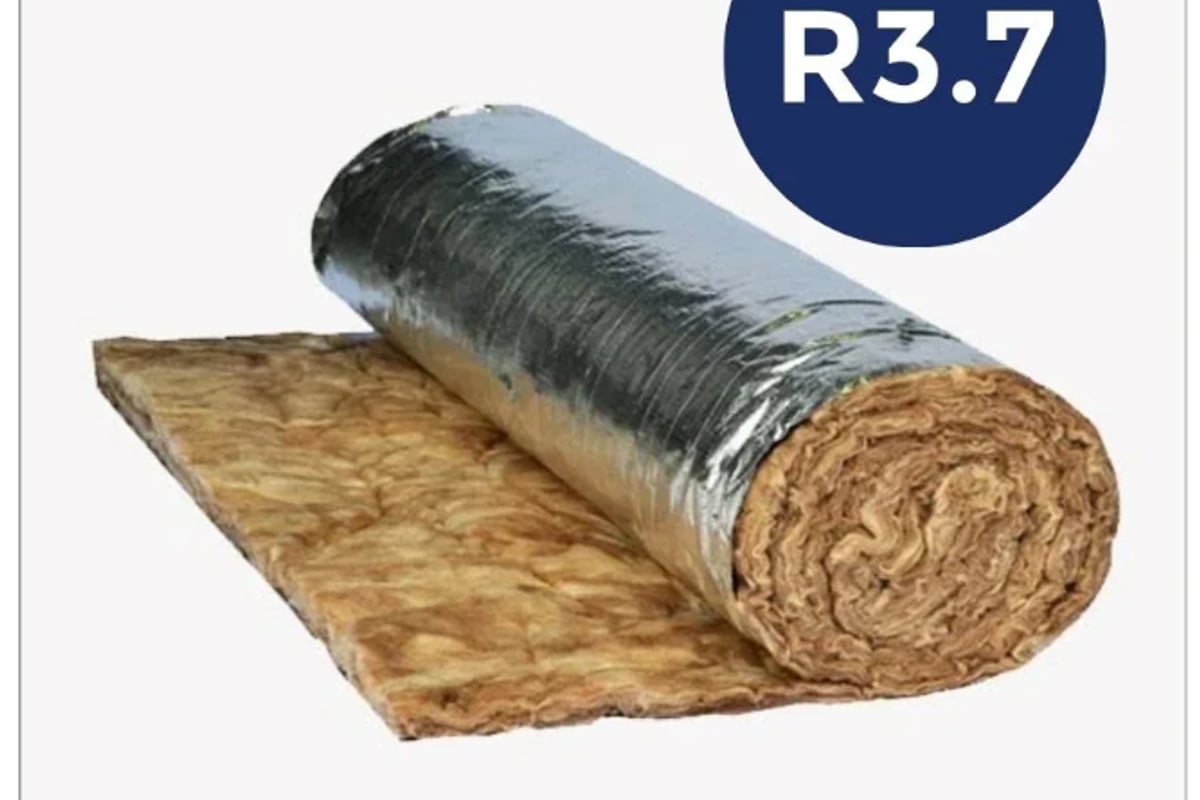
For any insulation work that requires building permits or affects your home's thermal envelope, use compliant materials installed by qualified professionals. The Thermal Blanket R3.7 22kg/m³ 130mm x 1.2m Roof Insulation Blanket represents the type of product designed specifically for Australian conditions, delivering reliable performance and meeting all regulatory requirements.
Environmental Considerations and Recycling
While reusing bubble wrap packing material might seem environmentally friendly, the broader picture is more complex. Polyethylene production relies on petroleum products, and the material's recyclability depends on local facilities.
Can You Recycle Bubble Wrap?
Most kerbside recycling programs don't accept bubble wrap because it clogs sorting machinery. However, many supermarkets and retailers offer soft plastic collection points where you can drop off clean bubble wrap. According to U.S. Environmental Protection Agency guidance, plastic film recycling requires specialised facilities and clear consumer education.
The How2Recycle guidelines provide detailed best practices for polyethylene film disposal and recyclability labelling, helping consumers make informed decisions about plastic packaging end-of-life.
Comparing Environmental Impact
When assessing bubble wrap as insulation from an environmental perspective:
Potential benefits:
- Diverts packing material from landfill
- Requires no additional manufacturing if reusing existing material
- Lightweight transportation reduces carbon footprint
Significant drawbacks:
- Short lifespan means frequent replacement
- Poor performance increases heating/cooling energy consumption
- Disposal creates plastic waste within months
- Non-recyclable once dirty or damaged
Purpose-built insulation like glasswool or polyester batts, while requiring manufacturing, delivers decades of energy savings that far outweigh the initial environmental cost. Properly specified wall insulation reduces your home's lifetime carbon footprint substantially more than temporary bubble wrap solutions.
Smart Alternatives for Budget-Conscious Renovators
If you're attracted to bubble wrap as insulation because of cost constraints, several better alternatives deliver superior performance without breaking the bank.
Entry-Level Insulation Products
Modern insulation has become increasingly affordable, with entry-level products offering excellent value:
- Polyester batts provide good thermal performance and easy DIY installation
- Glasswool batts deliver reliable R-values at competitive prices
- Reflective foil products work well in roof spaces when installed correctly
Shopping during sales or buying in bulk can reduce costs significantly. Many suppliers, including Insulation Supplies Australia, offer competitive pricing that makes proper insulation accessible for most renovation budgets.
DIY Installation to Save Money
Labour costs often exceed material costs in insulation projects. By installing compliant products yourself, you achieve professional results at a fraction of the price. Essential tips for successful DIY installation:
- Measure accurately and order 10% extra to account for cuts and waste
- Wear appropriate safety gear including gloves, dust masks, and long sleeves
- Follow manufacturer instructions for spacing, compression, and fixing
- Maintain air gaps where required for reflective products
- Never compress insulation beyond recommended limits
Research from institutions like the University of Colorado Boulder shows ongoing development of innovative insulating materials that balance performance with affordability, though these cutting-edge solutions typically cost more than proven conventional products.
Staged Insulation Upgrades
You don't need to insulate your entire home at once. Prioritise rooms where you spend the most time or areas with the worst thermal performance:
Priority order for maximum impact:
- Ceiling insulation (prevents 25-35% of heat loss/gain)
- Wall insulation (reduces 15-25% of thermal transfer)
- Underfloor insulation (eliminates 10-20% of heat loss)
- Draft sealing around windows and doors
This staged approach spreads costs over multiple years while delivering immediate comfort improvements. Starting with ceiling insulation typically provides the best return on investment.
Making the Right Insulation Choice for Your Project
Choosing appropriate insulation requires balancing performance, cost, compliance, and long-term value. While bubble wrap as insulation might work for very specific temporary applications, it's not a substitute for proper building insulation in Australian homes.
When Bubble Wrap Makes Sense
Consider bubble wrap only for:
- Single-glazed windows in rarely used rooms (short-term solution)
- Non-habitable sheds or garden structures
- Emergency pipe protection during unexpected cold snaps
- Temporary weather protection during renovations
Always view it as a stopgap measure, not a permanent solution.
When to Choose Proper Insulation
Invest in compliant insulation products when:
- Renovating or building any habitable space
- Meeting building code requirements
- Seeking long-term energy savings
- Protecting your home's value
- Ensuring insurance coverage remains valid
- Creating comfortable year-round living conditions
The performance difference between bubble wrap and proper insulation becomes obvious over a single winter. Proper products from ranges like Knauf Insulation deliver consistent thermal control, moisture management, and acoustic benefits that improvised solutions simply cannot match.
Getting Expert Advice
If you're uncertain about R-value requirements, product selection, or installation methods, speak with insulation specialists who understand Victorian building conditions. Professional guidance helps you avoid costly mistakes and ensures your insulation investment delivers maximum returns.
Real-World Performance Expectations
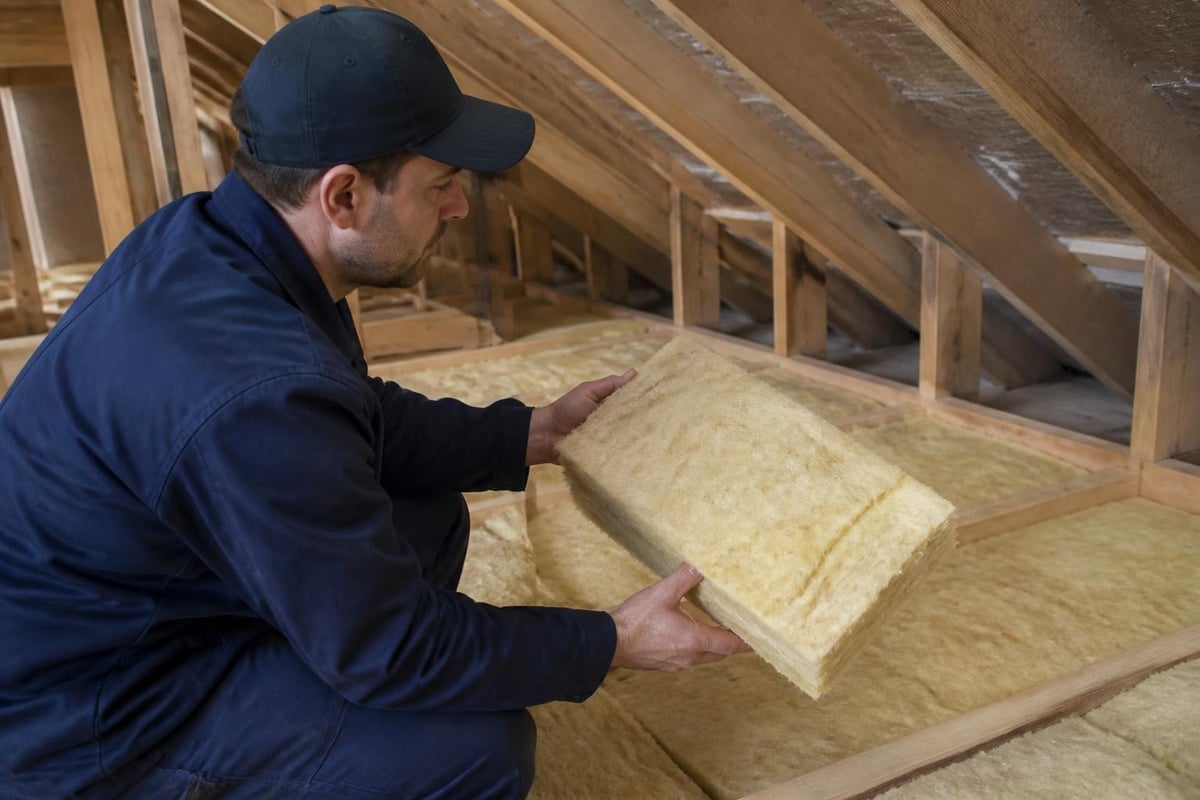
Understanding what bubble wrap as insulation can actually achieve helps set realistic expectations and avoid disappointment.
Temperature Reduction Results
In properly sealed windows, bubble wrap typically reduces heat loss by 10-20% compared to bare single glazing. For comparison, double glazing reduces heat loss by 50-70%. In sheds and temporary structures, users report internal temperature improvements of 2-5 degrees Celsius, which can make a noticeable comfort difference without solving underlying thermal performance issues.
Energy Savings Reality Check
Because bubble wrap as insulation delivers relatively low R-values, energy savings remain modest. A whole-home approach using code-compliant insulation typically reduces heating and cooling costs by 30-50%, while bubble wrap window treatments might save 5-10% on windows bills at best.
Example scenario: 3-bedroom Melbourne home
| Insulation Strategy | Approximate Annual Energy Saving | Payback Period |
|---|---|---|
| Bubble wrap on all windows | $80-$150 | 6-12 months |
| R2.5 wall insulation | $200-$350 | 3-5 years |
| R4.0 ceiling insulation | $300-$500 | 4-6 years |
| Combined proper insulation | $600-$1,000 | 5-8 years |
These figures demonstrate why comprehensive insulation using purpose-built products delivers superior long-term value despite higher upfront costs.
Comfort Improvements Beyond Energy
While energy bills matter, comfort improvements often provide the most immediate satisfaction. Proper insulation eliminates:
- Cold drafts along floors and walls
- Hot spots under uninsulated roofs
- Temperature variations between rooms
- External noise intrusion
Bubble wrap as insulation addresses none of these issues comprehensively. For whole-home comfort, explore complete insulation solutions including acoustic insulation where noise control matters.
Installation Safety and Best Practices
If you decide to use bubble wrap for approved applications like window treatments or sheds, follow these safety guidelines.
Safe Installation Methods
For window applications:
- Clean glass thoroughly before application
- Use only water for adhesion (no glues or tapes)
- Ensure adequate ventilation to prevent condensation buildup
- Remove and replace every few months to prevent mould
- Never cover windows near heat sources
For temporary structures:
- Staple or tape to timber framing (not directly to metal surfaces)
- Maintain clearance from any electrical wiring
- Provide adequate ventilation openings
- Check regularly for damage or deterioration
- Replace damaged sections immediately
What to Avoid
Never attempt to use bubble wrap as insulation for:
- Wall cavities in habitable buildings
- Ceiling spaces in homes
- Areas near recessed lights or heating ducts
- Spaces with electrical wiring
- Permanent building applications requiring certification
- Any location where building approval is needed
These restrictions exist because bubble wrap creates serious fire and moisture risks that purpose-built insulation products are specifically designed to eliminate.
While bubble wrap as insulation offers very limited benefits for specific temporary applications, it's not a substitute for proper building insulation in Australian homes. For reliable thermal performance, building code compliance, and long-term value, choose purpose-built insulation products designed for our climate. Whether you're renovating one room or insulating an entire property, Insulation Supplies Australia provides expert advice, competitive pricing, and fast delivery across Victoria to help you make the right insulation choice with confidence.