

If you've ever wondered whether everyday bubble wrap could work as insulation in your home, you're not alone. The idea of using bubble wrap as insulation has gained attention among budget-conscious DIY renovators and homeowners looking for quick thermal improvements. While bubble wrap can provide a modest insulating effect in certain situations, understanding its capabilities, limitations, and proper applications is essential before you reach for the nearest roll. This article explores how bubble wrap functions as an insulating material, where it might be useful, and when you should invest in purpose-built insulation products instead.
Understanding How Bubble Wrap as Insulation Works
Bubble wrap creates an insulating effect through the same basic principle as many conventional insulation materials: trapped air. Each bubble contains a pocket of air that resists heat transfer, providing a minimal thermal barrier between two environments.
The air pockets in bubble wrap reduce conductive heat transfer, which occurs when heat moves through solid materials. The plastic film also reflects a small amount of radiant heat, particularly if the bubble wrap has a reflective or metallised surface. However, the R-value (thermal resistance rating) of standard bubble wrap is significantly lower than proper insulation materials.
Thermal Performance Compared to Standard Insulation
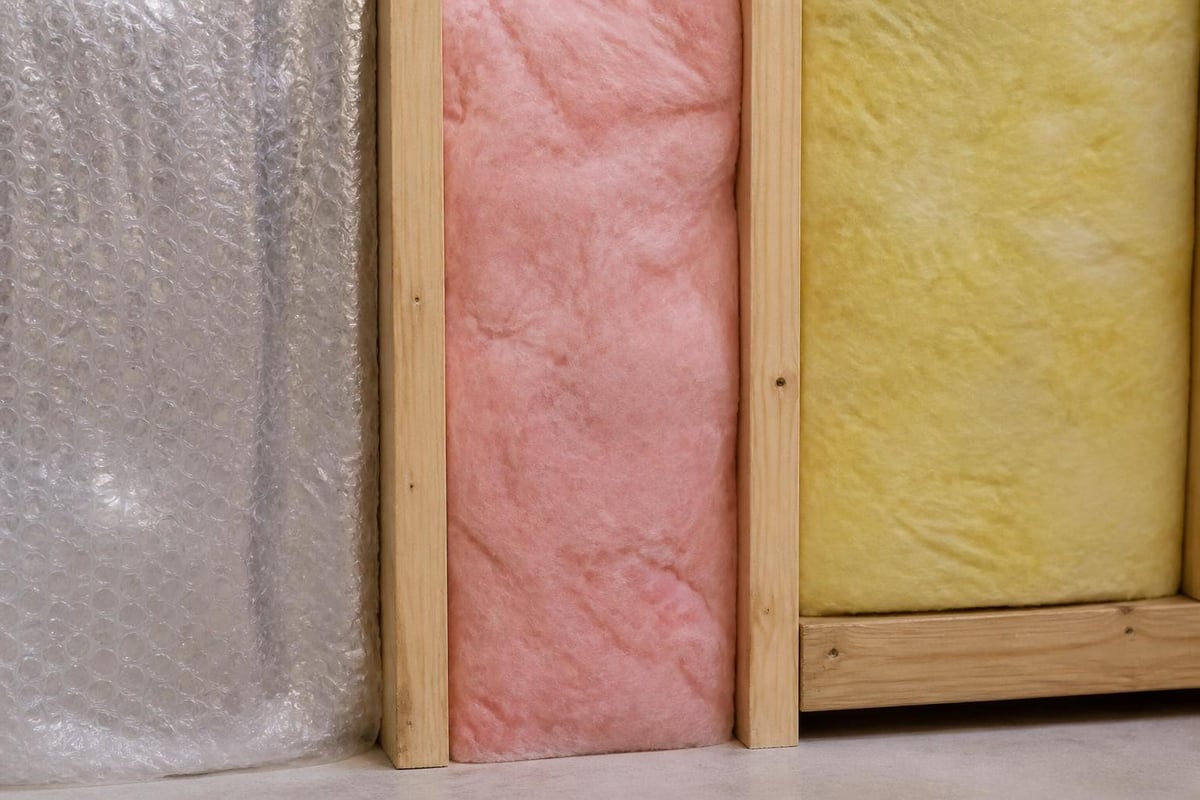
A single layer of large-bubble wrap typically provides an R-value between 0.5 and 1.0, depending on bubble size and whether multiple layers are used. This is considerably less than even basic insulation products available from Insulation Supplies Australia.
| Material | Approximate R-Value | Thickness | Best Use |
|---|---|---|---|
| Single layer bubble wrap | 0.5 - 1.0 | 5-10mm | Temporary window covering |
| Double layer bubble wrap | 1.0 - 1.5 | 10-20mm | Greenhouse panels |
| Standard wall insulation batts | 2.0 - 2.5 | 90mm | Permanent wall insulation |
| Ceiling insulation batts | 3.5 - 6.0 | 145-200mm | Roof and ceiling spaces |
These comparisons show why bubble wrap as insulation is rarely a substitute for proper building insulation, but it can serve specific temporary or supplementary purposes.
Where Bubble Wrap as Insulation Can Be Useful
Despite its limitations, bubble wrap has legitimate applications where full insulation systems aren't practical or where temporary thermal improvement is needed.
Window Insulation and Draught Reduction
One of the most effective uses of bubble wrap as insulation involves applying it directly to window glass during winter months. The air pockets reduce heat loss through single-pane windows, and the material allows some light transmission while providing privacy.
To apply bubble wrap to windows:
- Clean the window glass thoroughly with water and mild detergent
- Cut the bubble wrap to fit the window pane dimensions
- Spray the window with a fine mist of water
- Press the bubble side of the wrap against the wet glass
- Smooth out any air pockets between the wrap and glass
This method works because water creates temporary adhesion, and the bubble wrap peels off easily when warmer weather arrives. Many Melbourne homeowners use this technique in rental properties where permanent modifications aren't allowed.
Greenhouse and Garden Structure Insulation
Gardeners frequently use bubble wrap as insulation in greenhouses, cold frames, and plant protection structures. The material provides frost protection while maintaining light levels for plant growth throughout winter.
The UV resistance of bubble wrap varies by product quality, so outdoor applications typically need replacement every 1-2 years as the plastic degrades from sun exposure.
Temporary Storage and Moving Protection
While not technically building insulation, bubble wrap's insulating properties make it valuable for protecting temperature-sensitive items during storage or transport. The thermal barrier helps moderate temperature fluctuations in uninsulated sheds, garages, or moving vehicles.
Limitations and Drawbacks of Bubble Wrap as Insulation
Before considering bubble wrap as a primary insulation solution, you need to understand its significant limitations compared to purpose-designed underfloor, wall, and ceiling insulation products.
Fire Safety Concerns
Standard bubble wrap is made from polyethylene plastic, which is combustible and produces toxic fumes when burning. Building codes in Australia strictly regulate insulation materials for fire safety, and bubble wrap does not meet the requirements for permanent installation in wall cavities, ceilings, or other concealed building spaces.
Installing bubble wrap as insulation in building cavities could:
- Violate building regulations and insurance requirements
- Create fire hazards that spread flames rapidly
- Void building insurance in the event of a fire-related claim
- Fail building inspections for renovations or property sales
Moisture and Condensation Issues
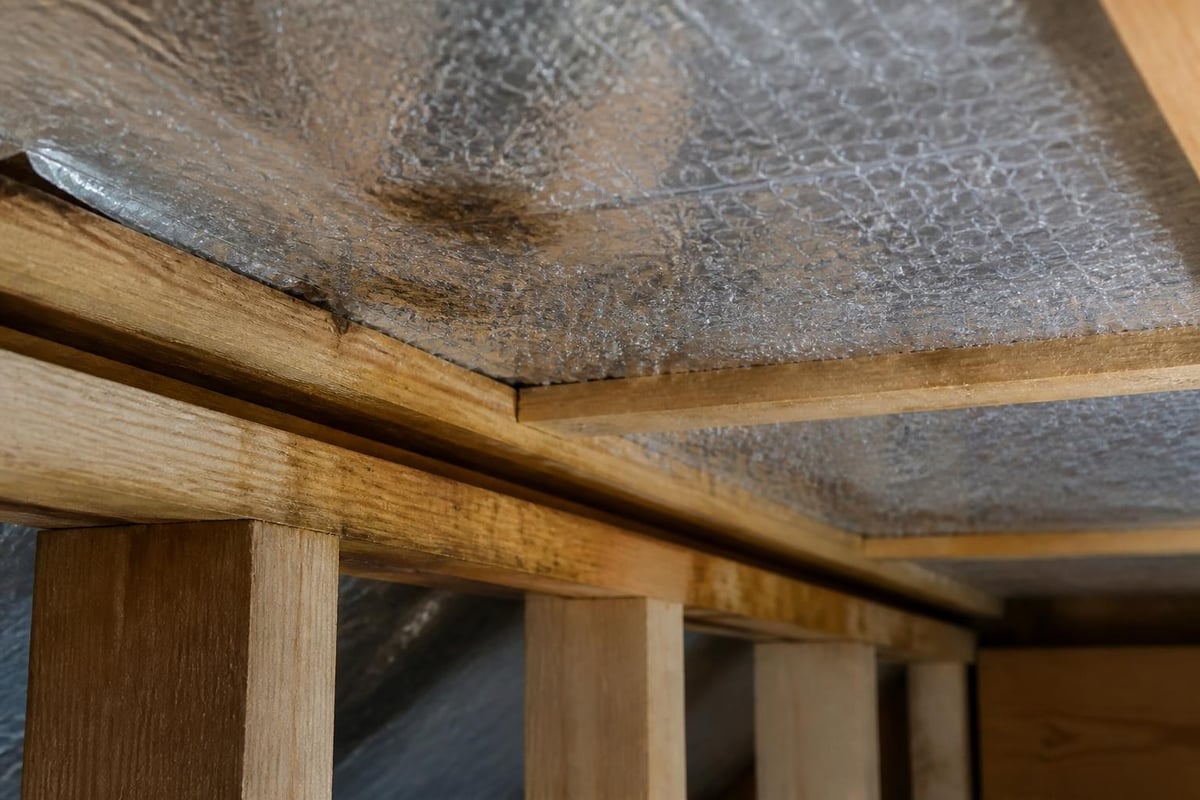
Bubble wrap creates a vapour barrier that prevents moisture movement. When used incorrectly, this can trap moisture inside wall cavities or create condensation problems that lead to mould growth and structural damage.
Key moisture problems include:
- Condensation forming on the cold side of the bubble wrap
- Trapped moisture within wall cavities causing timber rot
- Mould growth from persistent dampness
- Water damage to building materials and finishes
Proper insulation systems incorporate breathable membranes and vapour barriers positioned correctly within the building envelope. Using bubble wrap as insulation without understanding moisture dynamics can cause more problems than it solves.
Durability and Longevity Problems
Bubble wrap degrades relatively quickly compared to proper insulation materials. The air pockets can burst under pressure, UV exposure breaks down the plastic, and temperature cycling causes the material to become brittle over time.
Standard glasswool or polyester insulation batts maintain their R-value for decades, while bubble wrap's performance diminishes within months to a few years, depending on installation conditions.
Proper Insulation Alternatives for Australian Homes
For homeowners serious about improving thermal comfort and energy efficiency, purpose-designed insulation products deliver far better performance, safety, and value than bubble wrap as insulation.
Underfloor Insulation Solutions
Suspended timber floors in older Victorian homes benefit enormously from proper underfloor insulation. Products specifically engineered for this application provide superior thermal performance while addressing moisture control and installation requirements.
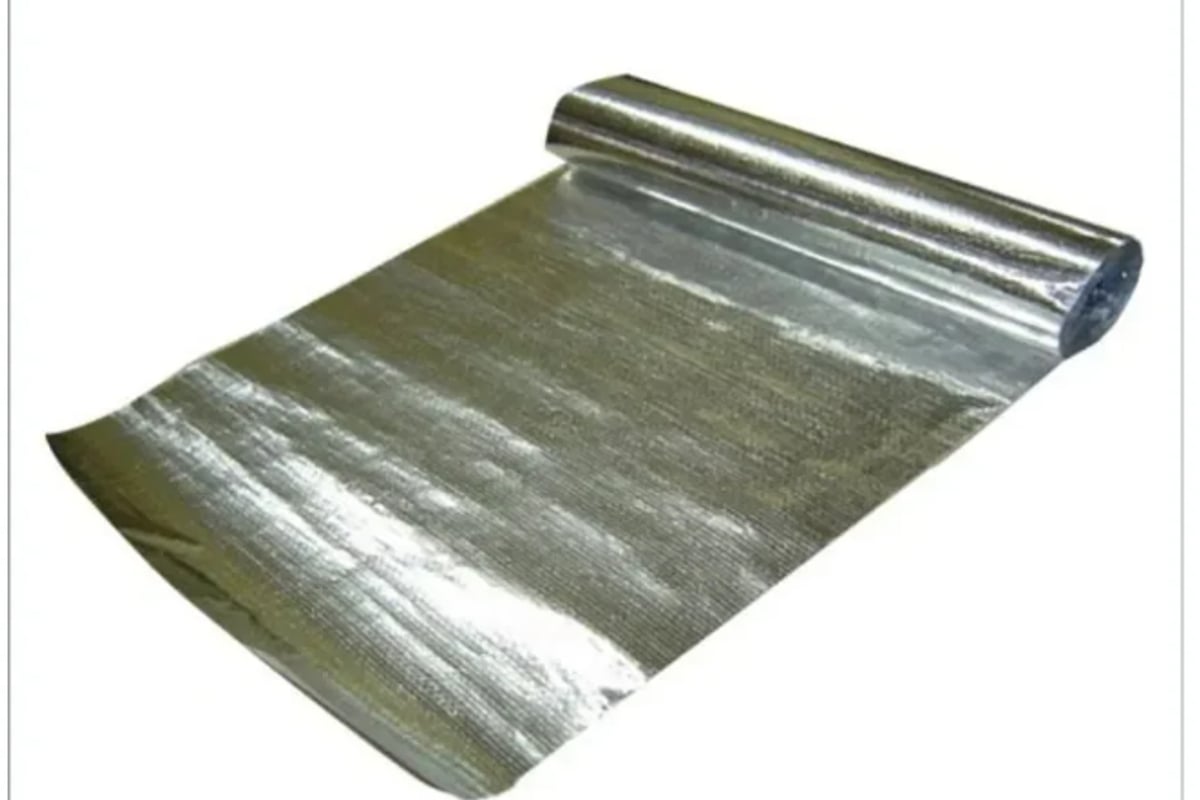
The Underfloor Wrap Reflective Foil Insulation combines a radiant barrier with moisture resistance, helping reduce heat loss through floors while limiting cold air infiltration from beneath the building. This purpose-built solution outperforms any bubble wrap application while meeting Australian building standards.
Wall and Ceiling Insulation Systems
Modern insulation batts designed for walls and ceilings provide R-values that bubble wrap simply cannot match. A R2.5 wall batt offers five times the thermal resistance of double-layer bubble wrap while meeting fire safety standards, moisture management requirements, and durability expectations.
For ceiling applications, R4.0 to R6.0 insulation creates the thermal barrier needed to maintain comfortable temperatures year-round and reduce energy costs substantially.
Cost-Benefit Analysis: Bubble Wrap vs. Proper Insulation
While bubble wrap appears cheaper initially, the total cost of ownership tells a different story when you consider performance, lifespan, and energy savings.
Initial Investment Comparison
| Solution | Material Cost (per m²) | Installation | Expected Lifespan | Annual Energy Savings |
|---|---|---|---|---|
| Bubble wrap (window) | $2 - 5 | DIY | 1 - 2 years | $20 - 40 |
| R2.5 wall batts | $8 - 12 | Professional or DIY | 50+ years | $150 - 300 |
| R4.0 ceiling batts | $15 - 25 | Professional recommended | 50+ years | $300 - 500 |
| Underfloor insulation | $10 - 18 | Moderate DIY or professional | 20 - 50 years | $100 - 200 |
Proper insulation pays for itself within 3-7 years through reduced heating and cooling costs, while bubble wrap requires annual replacement and provides minimal energy savings.
Long-Term Value Considerations
Beyond energy savings, proper insulation adds to property value, improves comfort throughout the year, reduces environmental impact, and meets building code requirements for renovations and extensions.
Bubble wrap as insulation might save money in the very short term for temporary applications, but it cannot deliver the comprehensive benefits of a properly insulated home.
When Bubble Wrap Makes Sense (and When It Doesn't)
Understanding the appropriate applications helps you make informed decisions about whether bubble wrap has any place in your insulation strategy.
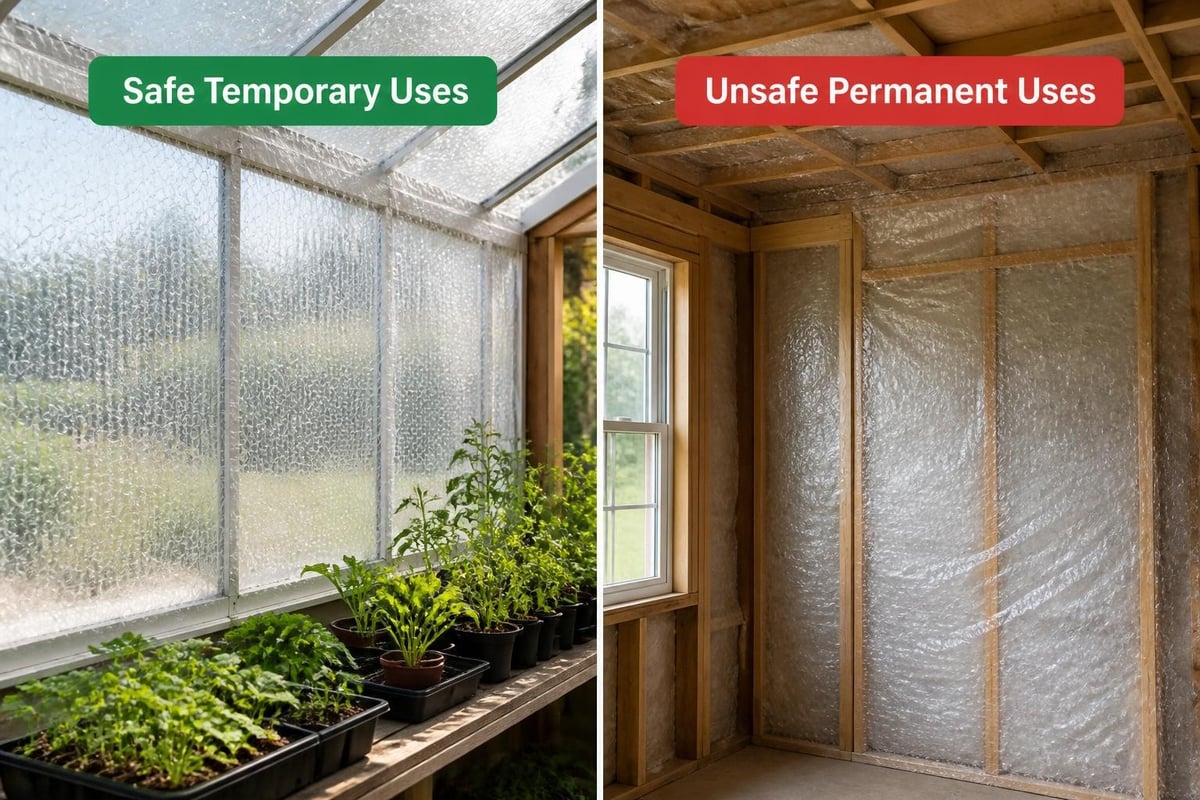
Acceptable temporary uses:
- Window covering in rental properties during winter months
- Greenhouse insulation for frost protection
- Temporary draughtproofing while waiting for permanent solutions
- Protecting pipes from minor frost in mild climates
- Insulating hot water tanks as a temporary measure
Inappropriate and dangerous uses:
- Installing in wall cavities as permanent insulation
- Using in ceiling spaces or roof areas
- Replacing proper underfloor insulation systems
- Installing around electrical wiring or fixtures
- Using as primary thermal envelope insulation
If you're considering bubble wrap because of budget constraints, exploring DIY-friendly insulation options with proper materials provides better value and performance than any bubble wrap solution.
Installation Best Practices for Bubble Wrap Applications
If you decide to use bubble wrap for appropriate temporary applications, following proper installation techniques maximises its effectiveness and safety.
Window Installation Method
The bubble side should face the glass to maximise the air pocket insulation effect. Ensure windows can still open for ventilation and fire escape purposes. Remove bubble wrap during summer to prevent heat build-up.
Greenhouse Application
Secure bubble wrap to greenhouse frames using clips or tape designed for outdoor use. Overlap seams by at least 50mm to prevent air leakage. Replace annually before winter for best performance.
Safety Considerations
Never install bubble wrap near heat sources, electrical equipment, or combustion appliances. Maintain adequate ventilation in any space where bubble wrap is applied to prevent condensation and moisture problems.
Australian Building Standards and Compliance
Using bubble wrap as insulation in permanent building applications almost certainly violates Australian building codes and standards. The National Construction Code (NCC) specifies minimum R-values and fire safety requirements that bubble wrap cannot meet.
For renovations requiring permits, using proper insulation materials that comply with Australian standards ensures:
- Building approval is granted without delays
- Insurance coverage remains valid
- Property value is maintained or increased
- Energy efficiency certificates meet requirements
- Future buyers or tenants receive a compliant property
Working with quality suppliers who understand local requirements helps ensure your insulation project meets all regulatory obligations while delivering optimal performance.
Making the Right Choice for Your Home
While bubble wrap as insulation has captured attention as a budget solution, the reality is that it serves only narrow, temporary applications. For homeowners and renovators committed to long-term comfort, energy efficiency, and property value, proper insulation materials deliver results that bubble wrap simply cannot match.
The modest initial savings from using bubble wrap are quickly eroded by poor performance, frequent replacement, potential building compliance issues, and missed energy savings. Investing in quality insulation products designed for Australian conditions provides decades of reliable performance, substantial energy cost reductions, and improved comfort throughout every season.
Whether you're insulating walls, ceilings, or underfloor spaces, choosing materials with appropriate R-values, fire ratings, and moisture management properties ensures your investment delivers real, lasting value. The difference between a cold, draughty home and a comfortable, energy-efficient living space comes down to selecting the right insulation solution from the start.
Bubble wrap may offer a simple temporary fix for draughty windows or greenhouses, but it's no substitute for proper insulation when you're serious about home comfort and energy efficiency. Insulation Supplies Australia offers a comprehensive range of ceiling, wall, and underfloor insulation solutions designed specifically for Victorian homes, backed by expert advice to help you choose the right products for your project. Whether you're tackling a DIY renovation or planning a major upgrade, our team can guide you to insulation solutions that deliver real performance, meet Australian standards, and provide long-term value.