
You've probably seen the DIY trick online: stick bubble wrap to your windows and suddenly you've got cheap insulation. But does bubble wrap really work as an insulator, and more importantly, should you use it in your home? While bubble wrap does have some insulating properties thanks to the trapped air pockets in each bubble, it's far from a professional solution. Understanding how bubble wrap as an insulator performs, where it might help in a pinch, and why purpose-built insulation products deliver better results will save you time, money, and energy bills in the long run. Let's unpack the science, the practical uses, and the limitations of this unexpected material.
How Bubble Wrap Works as Thermal Insulation
Bubble wrap was designed to protect fragile items during shipping, not to keep your home warm. However, its structure gives it modest insulating ability. Each bubble contains a pocket of trapped air, and still air is one of nature's best insulators. When heat tries to move through bubble wrap, it has to navigate these air pockets, slowing down the transfer.
The plastic film itself also provides a thin barrier against moisture and drafts. Some bubble wrap products have a metallic or reflective coating, which adds a radiant barrier effect by bouncing heat back rather than absorbing it. This reflective quality is why some research into multilayer reflective insulation has explored bubble-style products in specific applications.
What Is the R-Value of Bubble Wrap?
R-value measures thermal resistance: the higher the number, the better the insulation. Standard bubble wrap typically has an R-value between 0.5 and 1.0, depending on bubble size and number of layers. Double-layer or reflective-coated bubble wrap might reach R-1.5 to R-2.0 in ideal conditions.
To put that in perspective:
- A single-glazed window has an R-value of around 0.15 to 0.25
- Underfloor insulation products commonly range from R1.5 to R2.5
- Ceiling insulation in Victoria often requires R4.0 to R6.0 for compliance and energy efficiency
Bubble wrap can improve single-glazed windows slightly, but it won't meet building code requirements for walls, ceilings, or floors.
Where Bubble Wrap as an Insulator Might Be Useful
Despite its limitations, bubble wrap has a few niche uses where it can provide temporary or supplementary thermal benefits. These aren't replacements for proper insulation, but they can help in specific situations.
Window Insulation (Temporary)
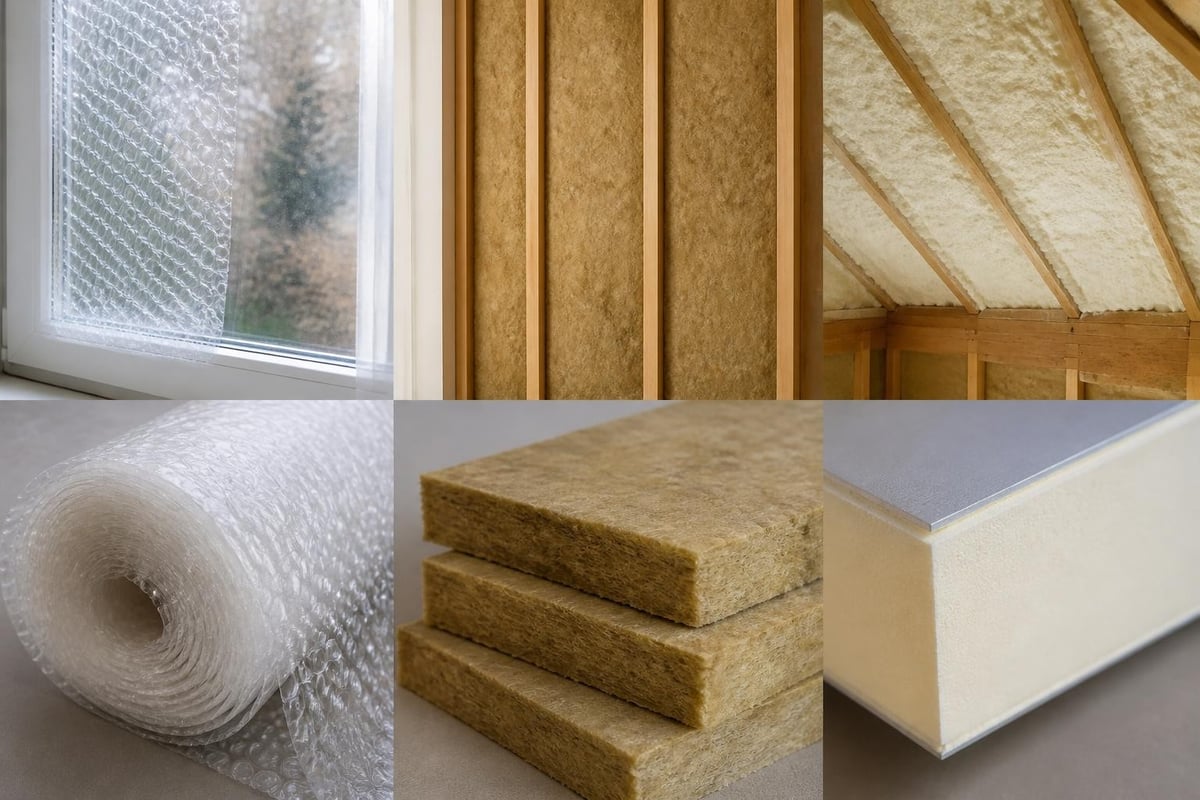
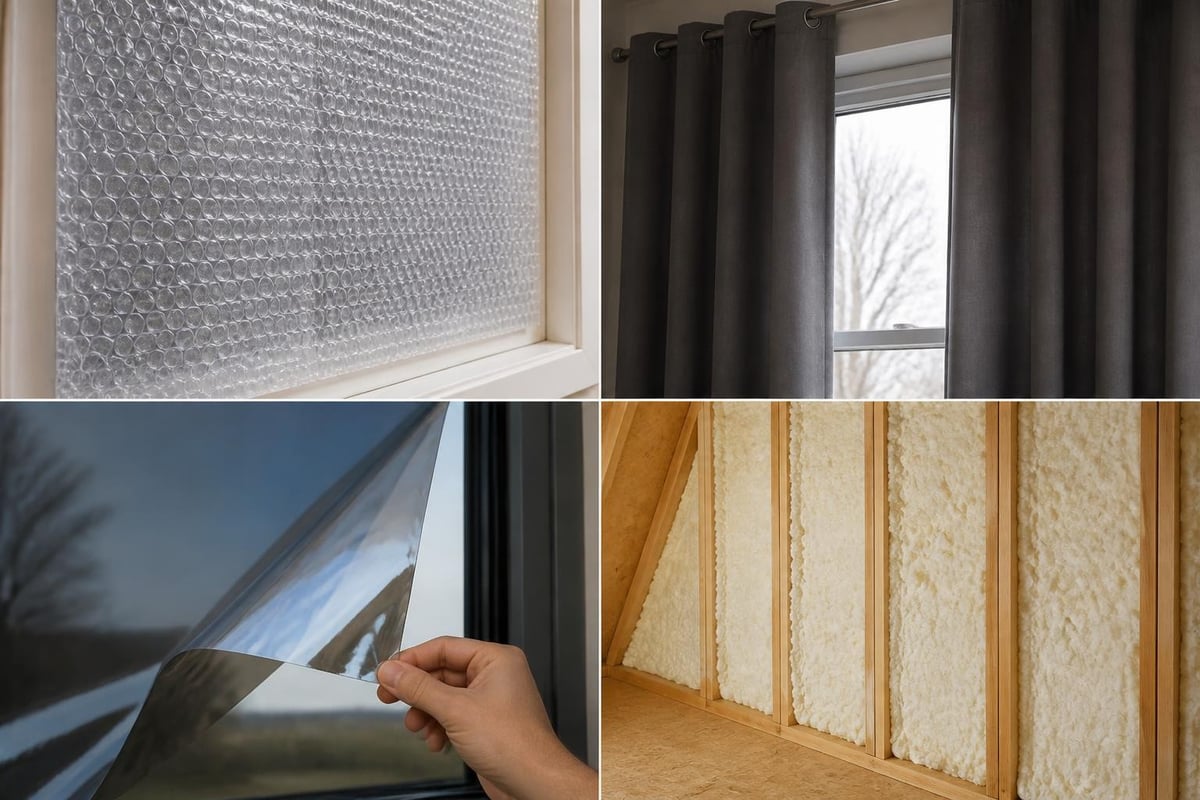
Attaching bubble wrap to the inside of single-glazed windows during winter is the most common DIY application. The air pockets reduce heat loss through the glass, and the material is cheap and easy to install. Simply mist the window with water and press the bubble side against the glass; surface tension holds it in place.
According to research by Lawrence Berkeley National Laboratory, bubble wrap can reduce window heat loss by 20 to 50 percent depending on bubble size and the number of layers. However, it also reduces natural light and can trap condensation, which may lead to mould or frame damage if left in place too long.
Pros:
- Cheap and widely available
- Easy to install and remove
- Can reduce drafts and heat loss in older windows
- No special tools required
Cons:
- Blocks natural light and views
- Can trap moisture and cause condensation issues
- Low R-value compared to curtains, blinds, or secondary glazing
- Not a permanent or aesthetically pleasing solution
Greenhouse and Garden Use
Bubble wrap is popular among gardeners for insulating greenhouses, cold frames, and raised beds during winter. Peer-reviewed research on bubble wrap for passive thermal regulation shows it can help maintain stable temperatures in covered growing spaces, reducing frost damage and extending the growing season.
For home gardeners, bubble wrap can line the inside of a greenhouse to trap warmth overnight without blocking too much sunlight. It's a low-cost way to protect plants, especially in Melbourne's unpredictable spring and autumn weather.
Short-Term or Emergency Insulation
If you're facing an unexpected cold snap and need a quick fix, bubble wrap can provide a small thermal boost in specific areas like:
- Covering gaps around poorly sealed doors or windows
- Wrapping exposed pipes in unheated areas (though proper pipe insulation is safer and more effective)
- Temporary insulation for a drafty room until permanent solutions can be installed
It's not a long-term strategy, but it can help in a pinch.
Limitations and Risks of Using Bubble Wrap as an Insulator
While bubble wrap has some insulating properties, relying on it for home comfort and energy efficiency comes with significant drawbacks.
Fire Safety Concerns
Bubble wrap is made from polyethylene, a flammable plastic. If exposed to heat sources like heaters, lights, or electrical faults, it can melt, ignite, or release toxic fumes. Research on the flammability of polyethylene films highlights the material's tendency to burn and drip when ignited, which poses a serious fire risk in enclosed spaces.
Using bubble wrap near heat sources, in roof cavities, or in wall cavities is dangerous and should be avoided. Purpose-built insulation products are tested and rated for fire resistance to meet Australian building standards.
Moisture and Condensation Issues
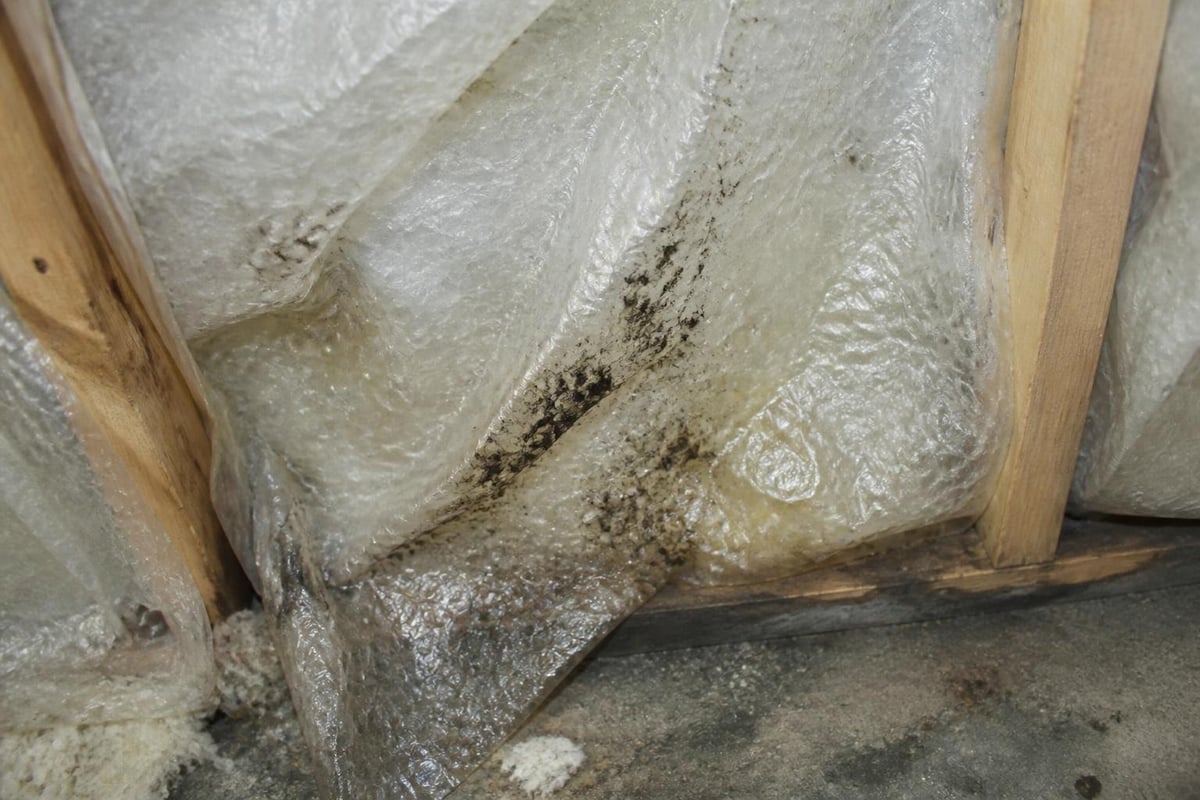
Bubble wrap creates a vapour barrier, trapping moisture between the wrap and the window or wall surface. In Victoria's climate, this trapped moisture can lead to:
- Condensation on window frames
- Mould growth on walls or sills
- Timber rot in older window frames
- Reduced indoor air quality
Proper insulation systems are designed to manage moisture movement, allowing vapour to escape while still providing thermal resistance.
Poor Long-Term Performance
Bubble wrap degrades over time. UV exposure, temperature changes, and physical handling cause the plastic to become brittle, the bubbles to pop, and the material to lose its insulating properties. You'll need to replace it regularly, making it less cost-effective than it first appears.
| Application | Bubble Wrap R-Value | Purpose-Built R-Value | Durability | Safety |
|---|---|---|---|---|
| Windows | 0.5 – 1.5 | R0.15 (single glazed) to R0.6 (double glazed) | Low | Moderate |
| Walls | 1.0 – 2.0 | R1.5 – R2.7 typical | Very low | Poor (fire risk) |
| Ceilings | 1.0 – 2.0 | R4.0 – R6.0 typical | Very low | Poor (fire risk) |
| Underfloor | 1.0 – 2.0 | R1.5 – R2.5 typical | Low | Moderate |
Why Purpose-Built Insulation Is a Better Investment
If you're serious about improving your home's comfort, reducing energy bills, and meeting building standards, purpose-built insulation is the clear choice. Products designed for residential and commercial construction deliver superior performance, safety, and longevity.
Higher R-Values and Better Performance
Glasswool, polyester, and reflective foil insulation products are engineered to meet specific R-value requirements for walls, ceilings, and floors. They've been tested for thermal resistance, fire safety, and moisture management, ensuring they perform reliably over decades.
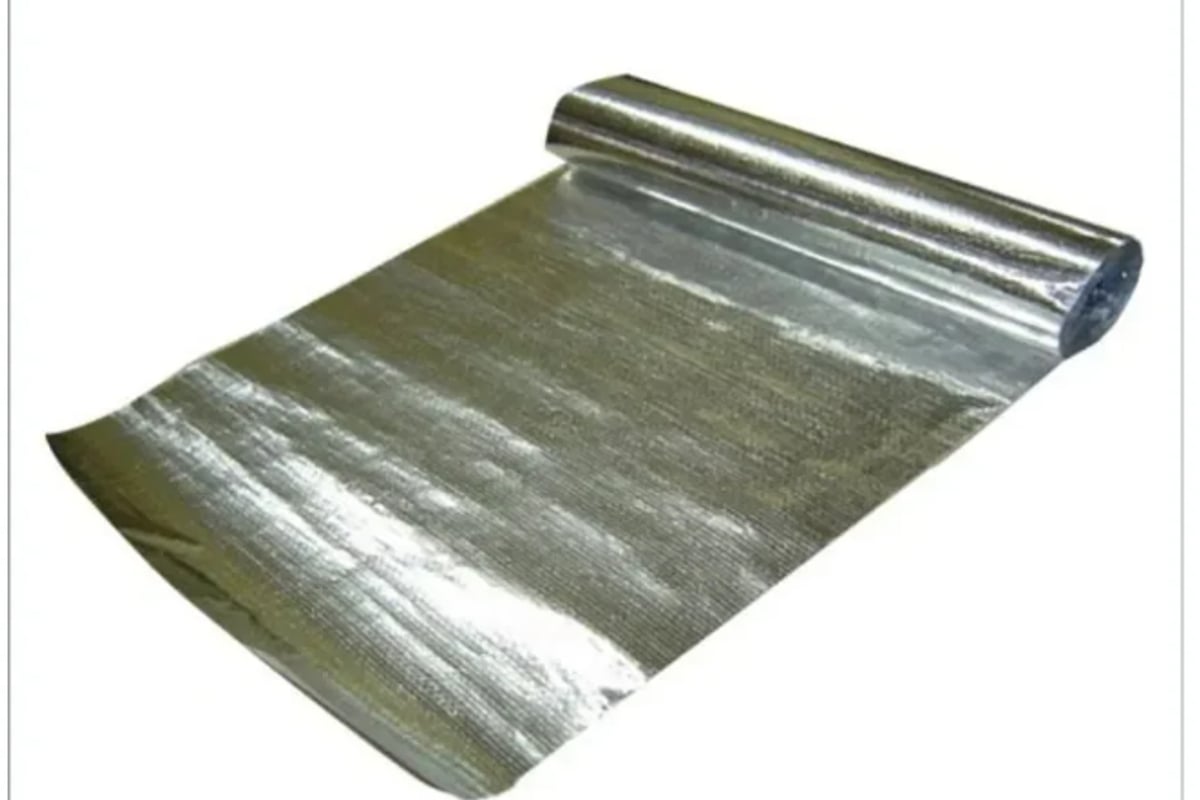
For example, underfloor insulation wraps combine reflective foil layers with air gaps to create effective thermal barriers and moisture control. Products like the Underfloor Wrap Reflective Foil Insulation are specifically designed to improve thermal performance and comfort in suspended floor systems, reducing heat loss and blocking cold air infiltration far more effectively than bubble wrap ever could.
Compliance with Building Codes
In Victoria, building regulations set minimum insulation standards for new builds and major renovations. The National Construction Code (NCC) specifies R-values for different climate zones and building elements. Bubble wrap doesn't meet these requirements and can't be used as a compliant insulation material in walls, ceilings, or floors.
Using purpose-built insulation ensures your project passes inspections, qualifies for energy efficiency incentives, and delivers the comfort and performance you expect.
Fire Safety and Durability
Professional insulation products are tested and rated for fire resistance, moisture performance, and long-term durability. Glasswool and polyester batts, reflective foil laminates, and rigid foam boards are designed to withstand the harsh conditions inside wall and roof cavities without degrading, melting, or creating safety hazards.
They won't pop, sag, or lose effectiveness after a few months, making them a smarter long-term investment.
Recycling and Disposing of Bubble Wrap Responsibly
If you've used bubble wrap for temporary insulation and it's time to remove it, disposal is worth considering. Bubble wrap is a plastic film, which means it's technically recyclable, but it can't go in your kerbside recycling bin.
According to U.S. EPA guidance on plastic film recycling, flexible films like bubble wrap contaminate standard recycling streams and need to be collected separately. In Australia, many supermarkets and retailers have RedCycle-style drop-off points for soft plastics, though availability varies.
University-level recycling programs and zero-waste organizations recommend the following steps:
- Remove any tape, labels, or contaminants
- Ensure the bubble wrap is clean and dry
- Bundle it together with other soft plastics
- Drop it off at a designated collection point (check locally for availability)
If soft plastic recycling isn't available in your area, reuse bubble wrap for packing fragile items or donate it to moving companies, op shops, or community groups.
Comparing Bubble Wrap to Other DIY Insulation Options
Bubble wrap isn't the only budget-friendly insulation option, and it's worth comparing it to other DIY solutions before deciding.
Heavy Curtains and Thermal Blinds
Curtains and blinds designed for thermal performance can achieve R-values similar to or better than bubble wrap, without the aesthetic downsides. They're easy to install, reversible, and won't trap condensation against the window.
Window Film and Secondary Glazing Kits
Clear plastic window film kits create an insulating air gap between the film and the glass, offering similar thermal benefits to bubble wrap but with better light transmission and a cleaner appearance. These kits are widely available at hardware stores.
Foam Board and Reflective Foil
For specific applications like garage doors, shed walls, or temporary partitions, rigid foam board or reflective foil insulation can provide much higher R-values than bubble wrap. They're still affordable and easy to cut and install.
Professional Insulation
For any permanent application, investing in proper wall insulation, roof insulation, or acoustic insulation will deliver far better results. The upfront cost is higher, but the energy savings, comfort improvements, and long-term performance make it worthwhile.
| Option | R-Value Range | Cost | Ease of Install | Aesthetics | Durability |
|---|---|---|---|---|---|
| Bubble wrap | 0.5 – 1.5 | Very low | Very easy | Poor | Low |
| Thermal curtains | 1.0 – 2.0 | Low | Very easy | Good | High |
| Window film kits | 0.8 – 1.2 | Low | Easy | Moderate | Moderate |
| Reflective foil | 1.5 – 2.5 | Low | Moderate | Poor | Moderate |
| Professional insulation | 1.5 – 8.0+ | Moderate to high | Moderate | Hidden | Very high |
Practical Tips If You Choose to Use Bubble Wrap
If you decide to try bubble wrap as an insulator despite its limitations, follow these tips to get the best results and avoid common pitfalls.
Choose large-bubble wrap. Bigger bubbles create thicker air pockets, which offer slightly better insulation than small-bubble versions.
Use multiple layers. Doubling up the wrap can increase the R-value, though it also reduces light transmission further.
Apply it bubble-side toward the glass. This maximizes the air gap and thermal resistance.
Secure it with water mist, not tape. Misting the window and pressing the wrap against it creates a temporary bond without damaging frames or leaving residue. If you need a stronger hold, use removable mounting putty.
Ventilate regularly. Open windows periodically to release trapped moisture and prevent condensation issues.
Remove it in warmer months. Don't leave bubble wrap in place year-round. It can overheat windows in summer and won't provide any cooling benefit.
Keep it away from heat sources. Never use bubble wrap near heaters, radiators, or electrical outlets.
When to Call in a Professional
Bubble wrap might be fine for a temporary window fix or a garden greenhouse, but for serious home insulation projects, it's time to bring in the experts or invest in quality materials. If you're renovating, building, or upgrading insulation to improve comfort and energy efficiency, purpose-built products will always outperform DIY hacks.
Professional installers understand how to:
- Select the right R-value for your climate zone and building type
- Install insulation safely and compliantly
- Manage moisture and ventilation to prevent long-term problems
- Maximize energy savings and thermal performance
Whether you're tackling a ceiling upgrade, adding underfloor insulation, or improving wall insulation, using the right products from the start saves you money and hassle down the track.
Common Questions About Bubble Wrap Insulation
Is bubble wrap as good as real insulation?
No. Bubble wrap has a much lower R-value, doesn't meet building codes, and poses fire and moisture risks. It's not a substitute for purpose-built insulation.
Can I use bubble wrap in my roof cavity?
Absolutely not. Bubble wrap is flammable, degrades in heat, and won't provide adequate thermal performance. Use proper roof insulation designed for high-temperature environments.
Does reflective bubble wrap work better?
Reflective or foil-coated bubble wrap can improve radiant heat reflection, slightly boosting performance. However, it still falls short of professional reflective foil insulation products designed for building applications.
How long does bubble wrap insulation last?
In typical home conditions, bubble wrap degrades within a few months to a year. UV exposure, temperature changes, and physical wear cause it to become brittle and lose effectiveness.
Can I recycle used bubble wrap?
Yes, but not in kerbside bins. Drop it off at soft plastic recycling points if available in your area. Check local recycling guidelines for collection options.
Bubble wrap as an insulator can offer a small, temporary thermal boost in specific situations like single-glazed windows or garden greenhouses, but it's no match for purpose-built insulation when it comes to safety, performance, and long-term value. For homeowners and renovators across Victoria, investing in quality insulation products tailored to your project will deliver better comfort, lower energy bills, and peace of mind. Insulation Supplies Australia makes it easy to compare options, choose the right R-value, and order professional insulation online with expert advice and fast delivery across Melbourne and regional areas.