
When you're looking for budget-friendly ways to improve your home's energy efficiency, you might have heard about using bubble wrap as an insulator. It's an idea that pops up regularly on DIY forums and social media, promising cheap thermal benefits with materials you might already have lying around. But does it actually work, and more importantly, is it a practical solution for Australian homes? Let's explore the science, the applications, and the limitations of this unconventional approach to home insulation.
How Bubble Wrap Works as Insulation
The concept behind bubble wrap as an insulator isn't completely far-fetched. At its core, insulation works by trapping air in small pockets, reducing heat transfer through conduction and convection. Bubble wrap creates thousands of tiny air pockets between two layers of plastic film, which theoretically should slow down heat movement.
Each bubble acts like a miniature air chamber. Since air is a poor conductor of heat, these trapped pockets provide some resistance to temperature change. The plastic film also reflects a small amount of radiant heat, adding another layer of thermal resistance.
The R-Value Reality
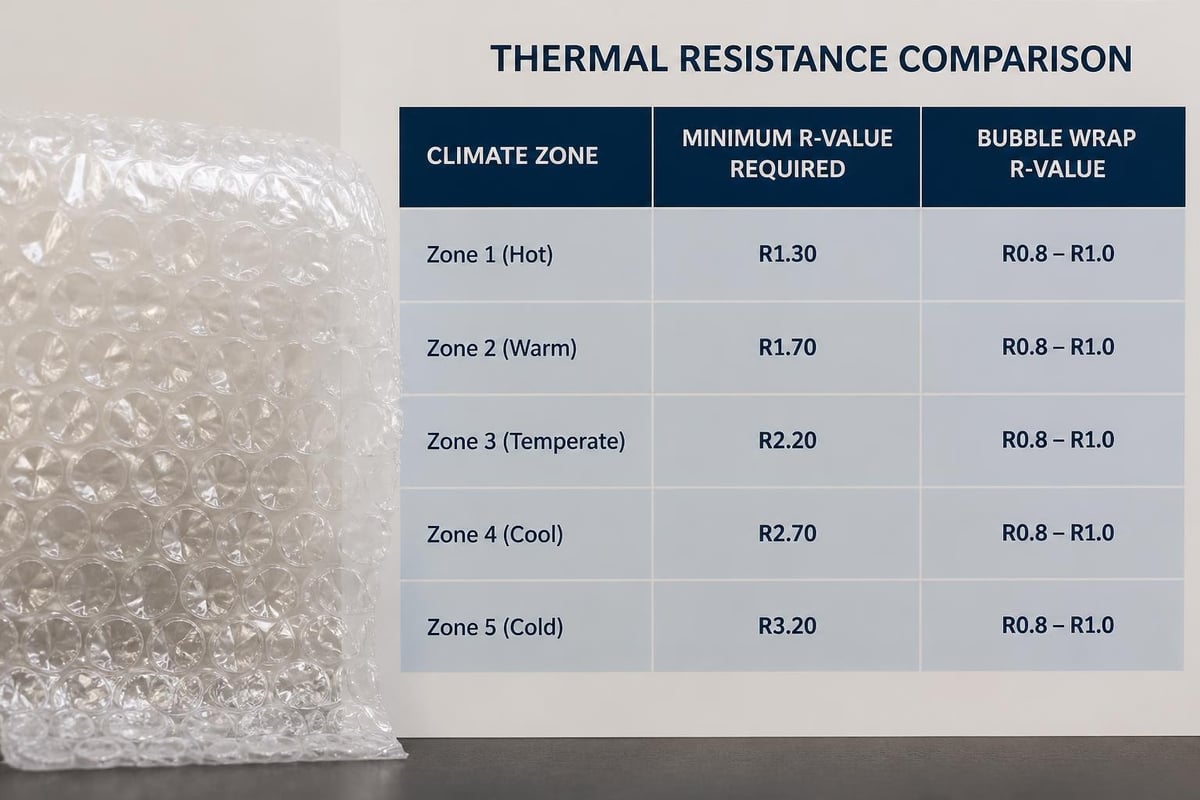
When we talk about insulation performance, we measure it using R-values. Higher R-values mean better insulation. Standard bubble wrap typically achieves an R-value between 0.8 and 1.0 when applied as a single layer. For context, ceiling insulation in Australian homes typically requires R-values between R3.5 and R6.0 depending on your climate zone.
This comparison highlights the first major limitation. While bubble wrap does provide some insulation benefit, it falls dramatically short of what's required to meet Australian building codes and energy efficiency standards.
Where Bubble Wrap Can Actually Help
Despite its limitations, there are a few specific applications where bubble wrap as an insulator can provide temporary or supplementary benefits.
Window Insulation
The most commonly cited use for bubble wrap is on windows. By spraying water on the glass and pressing bubble wrap against the pane (bubble side facing the glass), you create a temporary insulating layer. This approach can:
- Reduce heat loss through single-pane windows
- Cut down on condensation in some cases
- Provide privacy while still allowing diffused light through
- Cost very little to implement
However, you'll sacrifice your view, the installation looks makeshift, and the insulation value remains modest at best. It's a short-term solution while you save for proper window treatments or double-glazing.
Greenhouse Applications
Gardeners sometimes line greenhouse walls with bubble wrap during winter months. In this context, the material performs reasonably well because:
- Greenhouses only need modest temperature regulation
- The transparent nature still allows light transmission
- Moisture resistance prevents degradation
- Easy seasonal installation and removal
Pipe Lagging in a Pinch
Wrapping exposed pipes in bubble wrap can provide minimal freeze protection during mild cold snaps. It's not a replacement for proper pipe insulation, but it might prevent burst pipes in an emergency situation where proper materials aren't immediately available.
The Significant Limitations and Risks
Before you start covering your home in bubble wrap, you need to understand the serious drawbacks and potential problems.
Fire Safety Concerns
Bubble wrap is made from polyethylene plastic, which is flammable. When exposed to heat or flame, it can:
- Melt and drip, spreading fire
- Release toxic fumes
- Fail catastrophically as insulation when most needed
Building regulations in Australia have strict requirements around fire safety and combustible materials. Using bubble wrap in wall cavities or roof spaces could violate these regulations and void your insurance.
Moisture and Condensation Problems
Plastic film is a vapour barrier. When installed incorrectly, using bubble wrap as an insulator can trap moisture within building cavities, leading to:
- Mould and mildew growth
- Timber rot and structural damage
- Reduced effectiveness of any existing proper insulation
- Poor indoor air quality
Understanding vapour barriers and moisture management requires professional knowledge. DIY approaches with inappropriate materials often create more problems than they solve.
Durability and Degradation
Bubble wrap isn't designed for long-term building applications. Over time, it will:
- Break down when exposed to UV light
- Lose air from the bubbles, reducing effectiveness
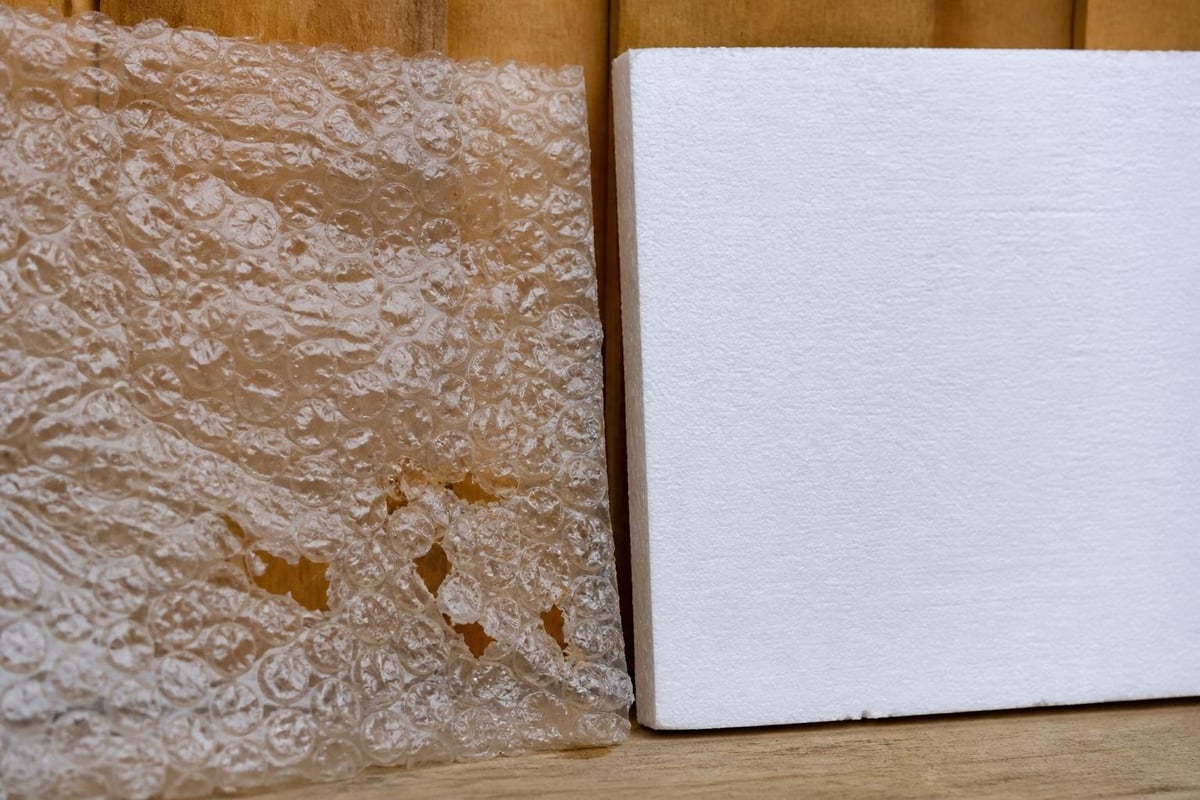
- Become brittle and crumble
- Look increasingly shabby and unprofessional
| Application | Initial R-Value | Expected Lifespan | Building Code Compliant |
|---|---|---|---|
| Bubble Wrap | 0.8 - 1.0 | 1-3 years (variable) | No |
| Glasswool Batts | 2.5 - 6.0 | 50+ years | Yes |
| XPS Board | 2.0 - 4.0 | 50+ years | Yes |
| Reflective Foil | 1.5 - 2.0 | 20-40 years | Yes (when properly installed) |
When to Choose Proper Insulation Instead
For any permanent building application, proper insulation materials are essential. Australian homes face unique climate challenges, from Melbourne's cold winters to extreme summer heat across the country.
Wall and Ceiling Insulation
For wall insulation and ceiling spaces, you need materials that:
- Meet National Construction Code (NCC) requirements
- Provide appropriate R-values for your climate zone
- Include fire safety ratings
- Allow proper vapour management
- Last the lifetime of the building
Modern glasswool and polyester batts are affordable, effective, and designed specifically for these applications. They're not dramatically more expensive than buying bubble wrap in equivalent quantities, and the performance difference is enormous.
Underfloor Solutions
Cold floors are a common complaint in Victorian homes, especially those with suspended timber floors. While you might consider bubble wrap as an insulator for this space, purpose-built underfloor solutions deliver far better results.
Products like the Sancell Breeze Underfloor 500-3 combine thermal insulation with an effective draught barrier, properly addressing both heat loss and cold air infiltration. These products are designed specifically for the harsh conditions under floors, with moisture resistance and durability that bubble wrap simply can't match.
Under-Slab Applications
For concrete slab construction, rigid foam boards provide compressive strength alongside thermal resistance. Bubble wrap would simply be crushed flat, providing zero benefit. Under-slab insulation requires specific engineering properties that only proper materials can deliver.
The Cost-Benefit Analysis
Let's examine whether bubble wrap as an insulator actually saves money in practice.
Initial Cost Comparison
- Bubble wrap (large rolls): $50-80 per 50m² coverage (approximate)
- Basic glasswool batts (R2.5): $5-8 per m²
- Quality underfloor insulation: $8-15 per m²
At first glance, bubble wrap seems cheaper. However, you need to consider:
- Installation time and difficulty
- Need for replacement every few years
- Inability to meet building codes for any significant project
- Minimal energy savings compared to proper insulation
Long-Term Energy Savings
Proper insulation pays for itself through reduced heating and cooling costs. Bubble wrap's low R-value means minimal energy savings. Over a typical Melbourne winter, the difference in heating costs between no insulation and bubble wrap might be $50-100. The difference between no insulation and proper R2.5 batts could be $300-600 annually.
Within 1-2 years, proper insulation has paid for itself and continues delivering savings for decades. Bubble wrap never reaches meaningful payback.
Better Budget-Friendly Alternatives
If cost is your primary concern, there are legitimate budget options that still meet building standards and deliver real performance.
Entry-Level Batts and Blankets
Basic glasswool products offer excellent value. They're:
- Manufactured to Australian standards
- Available in appropriate R-values for each application
- Easy to install for DIY enthusiasts
- Competitively priced when purchased online
Shopping during promotional periods or buying larger quantities can reduce costs further while still getting quality products.
Reflective Foil for Specific Applications
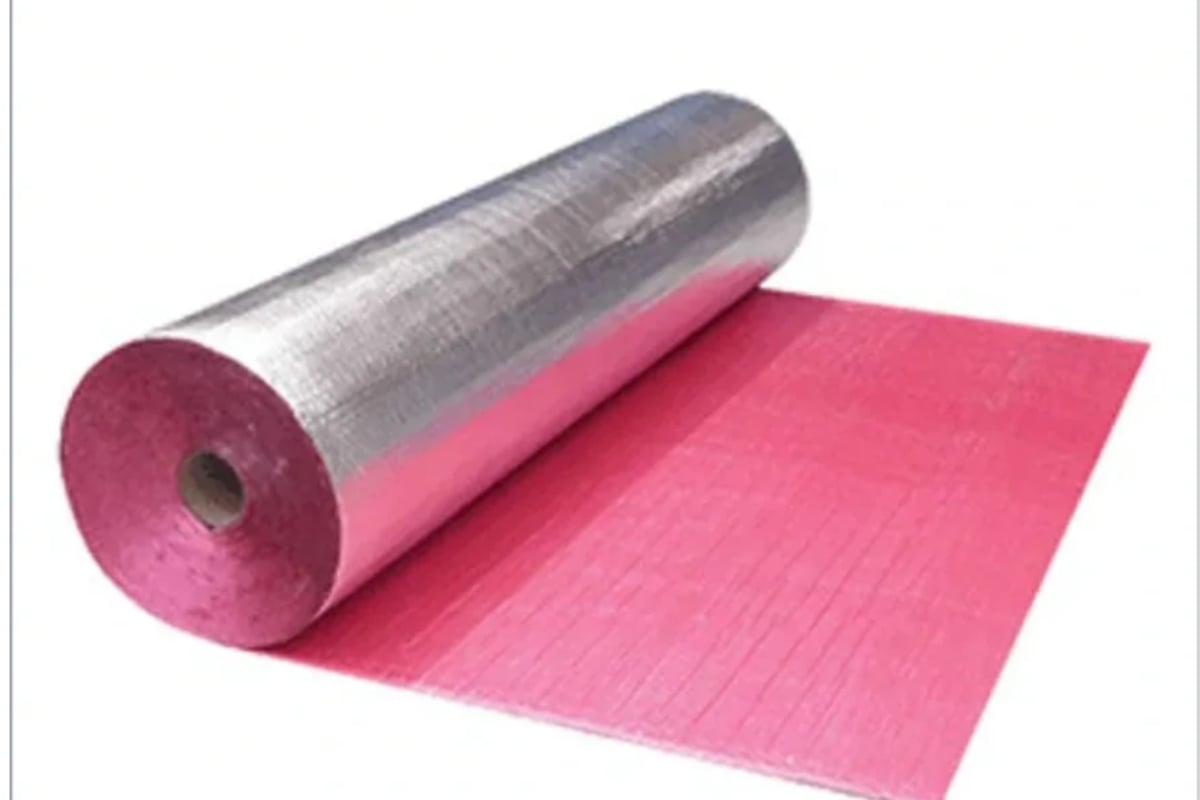
Properly installed reflective foil insulation can be cost-effective for roof spaces and underfloor areas. Unlike bubble wrap, these products:
- Meet building code requirements
- Provide certified thermal performance
- Include proper installation instructions
- Last for decades
Targeted Insulation Upgrades
Rather than trying to insulate your entire home with substandard materials, prioritize the areas with the biggest impact:
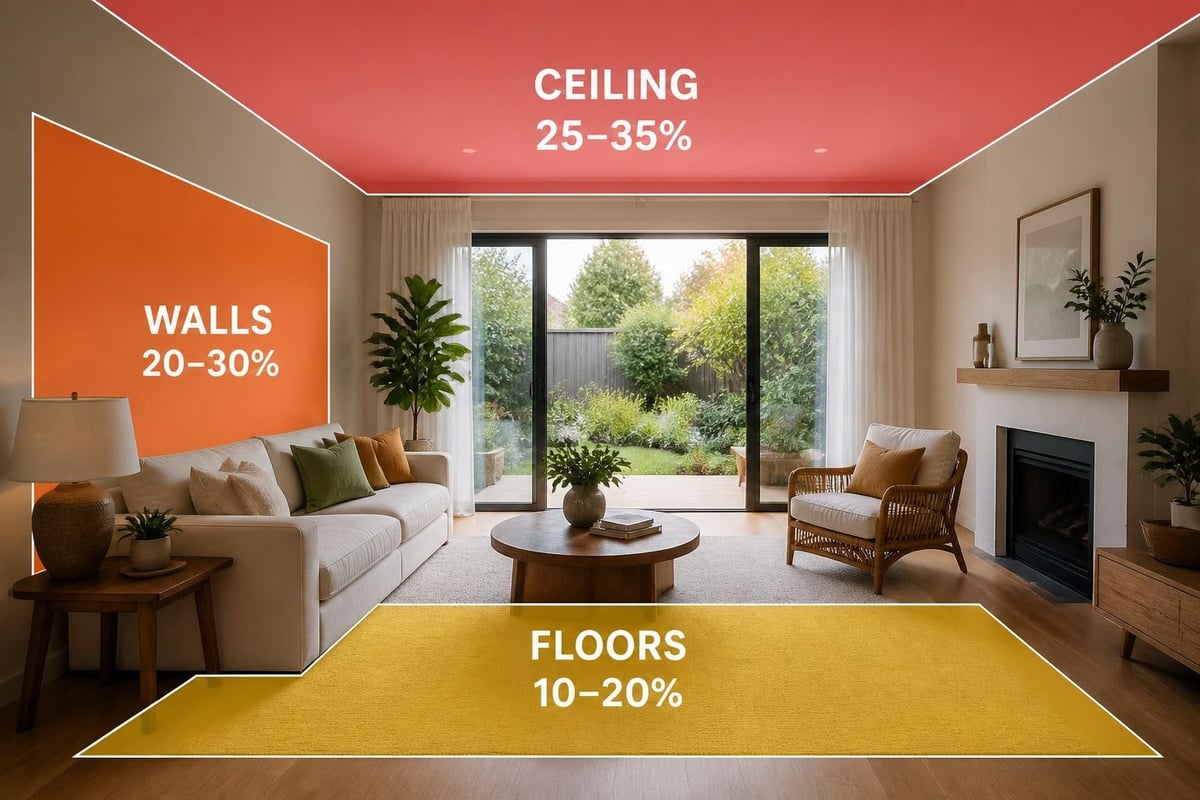
- Ceiling first - This is where most heat is lost in winter and gained in summer
- Walls second - Particularly west-facing walls in hot climates
- Floors third - Especially in elevated homes with exposed subfloors
By focusing your budget on proper materials in high-impact areas, you'll achieve better results than spreading bubble wrap throughout your home.
Installation Considerations and Safety
If you do decide to experiment with bubble wrap as an insulator for a small, temporary, non-structural application, follow these safety guidelines:
Keep It Away from Heat Sources
Never use bubble wrap near:
- Hot water systems
- Flues and chimneys
- Electrical fixtures that generate heat
- Cooking areas
- Any ignition sources
Ensure Adequate Ventilation
Don't create sealed plastic barriers that trap moisture. Buildings need to breathe. Any DIY insulation approach should allow for proper air circulation and moisture management.
Consider Your Insurance
Check your home insurance policy. DIY modifications using non-standard materials might affect your coverage, especially if they contribute to damage or fire.
Know When to Call Professionals
For any work involving:
- Wall cavities
- Roof spaces
- Building code compliance
- Renovation permits
You should consult with professional installers who understand proper installation techniques and local regulations.
What the Science Actually Says
Research into bubble wrap's insulating properties confirms what we've discussed. Studies show that while air pockets do provide thermal resistance, the thin plastic film and minimal air gap thickness limit overall performance.
The trapped air provides some benefit, but the plastic itself conducts heat more readily than dedicated insulation materials. The reflective properties are minimal compared to proper foil-faced products designed for radiant heat reflection.
Building scientists emphasize that effective insulation requires:
- Sufficient thickness
- Appropriate material density
- Proper vapour management
- Quality installation without gaps
- Long-term stability
Bubble wrap fails on most of these criteria for serious building applications.
Making the Right Choice for Your Home
Understanding bubble wrap as an insulator helps you make informed decisions about your home's thermal performance. While it's not completely useless, it's far from the best choice for any permanent application.
For Victorian homeowners dealing with cold winters and hot summers, proper insulation isn't optional. It's essential for comfort, energy efficiency, and meeting your obligations under building regulations if you're renovating.
The modest upfront investment in quality insulation products delivers:
- Comfort: Consistent indoor temperatures year-round
- Savings: Lower energy bills that continue for decades
- Value: Increased property value and marketability
- Compliance: Meeting building codes and insurance requirements
- Peace of mind: Knowing the job is done properly
Questions to Ask Yourself
Before choosing any insulation material, consider:
- What are you trying to achieve? (thermal comfort, noise reduction, moisture control)
- What R-value does your climate zone require?
- Is this a temporary or permanent solution?
- Does it need to comply with building codes?
- What's the realistic lifespan of the material?
- How much will you actually save on energy costs?
Honest answers to these questions will usually point you toward proper insulation materials rather than makeshift alternatives.
The Environmental Perspective
Sustainability matters to many Australian homeowners. From an environmental standpoint, bubble wrap as an insulator presents several concerns:
Polyethylene production is energy-intensive and petroleum-based. While some bubble wrap contains recycled content, most ends up in landfill after its short useful life. In contrast, modern glasswool insulation often contains 80% recycled glass content and lasts 50+ years.
Proper insulation's environmental benefit comes from decades of reduced heating and cooling energy consumption. This far outweighs the initial manufacturing impact. Bubble wrap's minimal thermal benefit means minimal energy savings, reducing its environmental justification.
While bubble wrap does provide minimal insulating properties through trapped air pockets, it's not a practical solution for serious home insulation needs in Australian buildings. For effective thermal performance, building code compliance, and long-term value, purpose-designed insulation materials are essential. Whether you're insulating walls, ceilings, or underfloor spaces, Insulation Supplies Australia offers a comprehensive range of quality products at competitive prices, backed by expert advice to help you choose the right solution for your specific needs. With fast delivery across Victoria and convenient online ordering, getting proper insulation for your home has never been easier.