
Batts fiberglass insulation remains one of the most popular and cost-effective insulation solutions for Australian homes in 2026. Made from fine glass fibres woven into flexible blankets, this versatile material offers excellent thermal performance, noise reduction, and fire resistance across walls, ceilings, and floors. Whether you're building a new home, renovating an older property, or upgrading your insulation to meet modern energy standards, understanding how batts fiberglass insulation works and how to choose the right product can help you create a more comfortable, energy-efficient living space while keeping costs under control.
What Is Batts Fiberglass Insulation
Batts fiberglass insulation consists of millions of fine glass fibres spun together to trap air within a mat-like structure. This trapped air provides the thermal resistance that slows heat transfer between your home's interior and the outside environment.
The manufacturing process typically uses recycled glass content, making it an environmentally conscious choice. Modern production methods also incorporate advanced binding technologies that reduce dust and improve handling characteristics.
Key characteristics include:
Flexible rectangular pieces pre-cut to fit standard building frame spacings
Available in various thicknesses to achieve different R-values
Non-combustible and resistant to moisture damage when properly installed
Proven performance backed by decades of real-world application
How It Differs From Other Insulation Types
Unlike loose-fill insulation that's blown into place or rigid foam boards, batts fiberglass insulation comes in manageable pieces designed to fit snugly between timber or steel framing. This makes installation straightforward for both professional builders and confident DIY renovators.
The material doesn't settle or compress significantly over time when installed correctly, maintaining its insulating properties throughout the building's lifespan. It also provides superior acoustic benefits compared to reflective foil products alone.
Types and Formats Available
Batts fiberglass insulation products come in several configurations to suit different applications and building requirements. Understanding these variations helps you select the most appropriate product for your specific project.
Wall Batts
Wall batts typically measure 90mm or 60mm thick and are sized to fit between standard 90mm or 70mm wall studs with 600mm or 450mm spacing. Common R-values for wall insulation range from R1.5 to R2.7, depending on thickness and density.
These products often feature:
Pre-cut widths for friction-fit installation
Lengths matched to standard wall heights
Unfaced or foil-faced options for different applications
Ceiling Batts
Ceiling insulation batts are generally thicker than wall products, ranging from 145mm to 210mm or more. They achieve higher R-values (typically R3.5 to R7.0) necessary for protecting against radiant heat from roofs and meeting minimum energy efficiency standards.
Ceiling products accommodate wider joist spacings and come in longer lengths to reduce installation time across large ceiling areas.
Underfloor Batts
Designed for suspended timber floor systems, underfloor batts help prevent heat loss through floors while blocking cold draughts from below. These products typically measure 60mm to 90mm thick with R-values between R1.5 and R2.5.
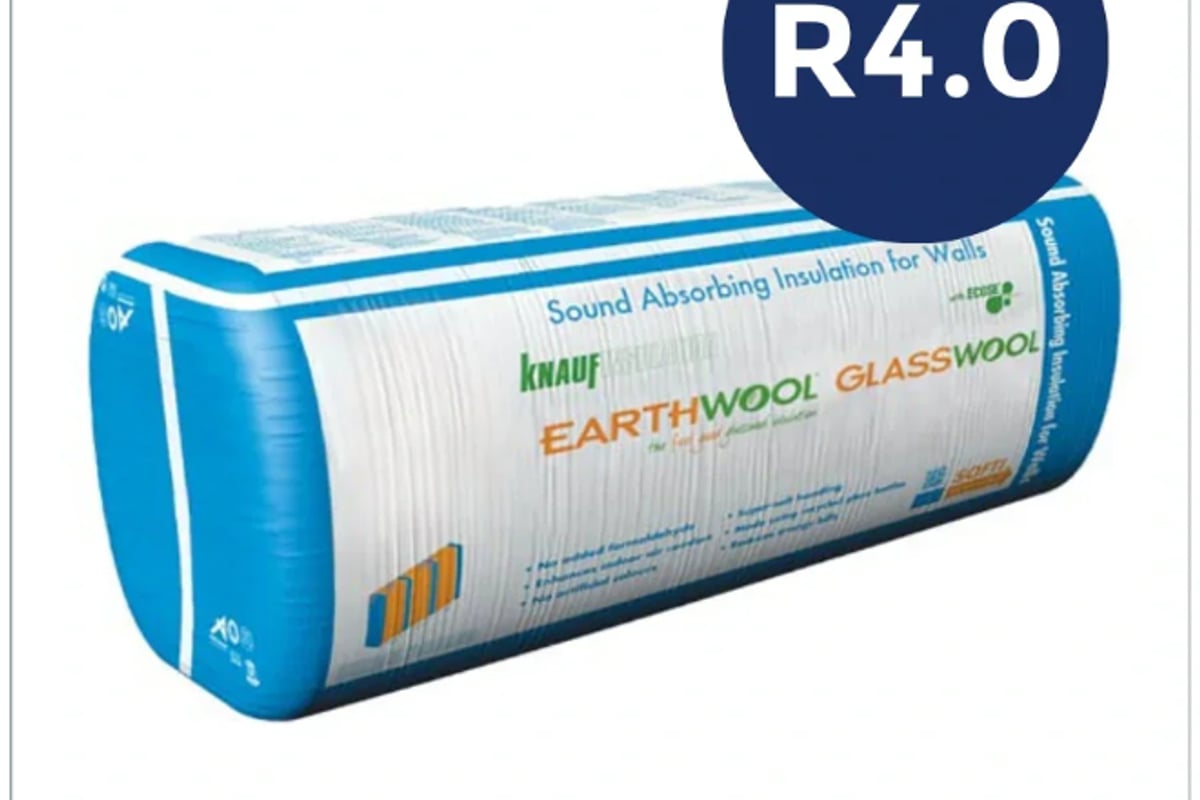
For homeowners improving comfort in existing homes with suspended floors, quality underfloor insulation products deliver noticeable improvements in winter warmth. The Earthwool Sound Shield R4.0 by Knauf represents a premium option when both thermal and acoustic performance matter, offering exceptional noise reduction alongside superior energy efficiency in ceiling applications where maximum performance is required.
Application |
Typical Thickness |
Common R-Values |
Spacing Options |
|---|---|---|---|
Walls |
60-90mm |
R1.5-R2.7 |
450mm, 600mm |
Ceilings |
145-210mm |
R3.5-R7.0 |
600mm |
Underfloor |
60-90mm |
R1.5-R2.5 |
420mm, 450mm, 600mm |
Understanding R-Values and Thermal Performance
The R-value measures thermal resistance, indicating how effectively insulation resists heat flow. Higher R-values mean better insulating performance and greater energy savings.
Australian building regulations specify minimum R-value requirements based on climate zone. Victoria generally requires higher R-values in ceilings than walls, reflecting the significant heat gain and loss through roof spaces.
Factors affecting R-value selection:
Your climate zone within Victoria
The specific building element (wall, ceiling, floor)
Energy efficiency goals beyond minimum compliance
Budget considerations and long-term payback calculations
Climate Zone Requirements
Melbourne and most of Victoria fall within climate zone 6 or 7 under the National Construction Code. These zones experience cold winters and warm to hot summers, requiring insulation that performs year-round.
Minimum requirements typically mandate:
Ceiling insulation: R4.0 to R6.0 depending on roof type
Wall insulation: R1.5 to R2.8 depending on construction method
Floor insulation: R1.0 to R2.0 for suspended floors
Meeting or exceeding these minimums with quality batts fiberglass insulation ensures compliance while improving comfort and reducing heating and cooling costs.
Installation Considerations and Best Practices
Proper installation maximises the performance of batts fiberglass insulation. Even premium products underperform when gaps, compression, or incorrect placement compromise their effectiveness.
Preparation and Safety
Before starting installation, ensure adequate personal protective equipment including long sleeves, gloves, safety glasses, and a dust mask. While modern glasswool products are significantly less dusty than older formulations, basic precautions remain sensible.
Measure your stud or joist spacing carefully. Most Australian homes use 600mm centres for walls and ceilings, but 450mm spacing also occurs, particularly in older constructions or engineered solutions.
Pre-installation checklist:
Clear the work area of debris and obstructions
Check for electrical wiring, plumbing, and other services
Verify insulation thickness suits your frame depth
Confirm you have the correct quantity for complete coverage
Cutting and Fitting Techniques
Batts fiberglass insulation cuts easily with a sharp utility knife or insulation saw. Place the batt face-down on a clean, firm surface and compress it slightly while cutting for cleaner edges.
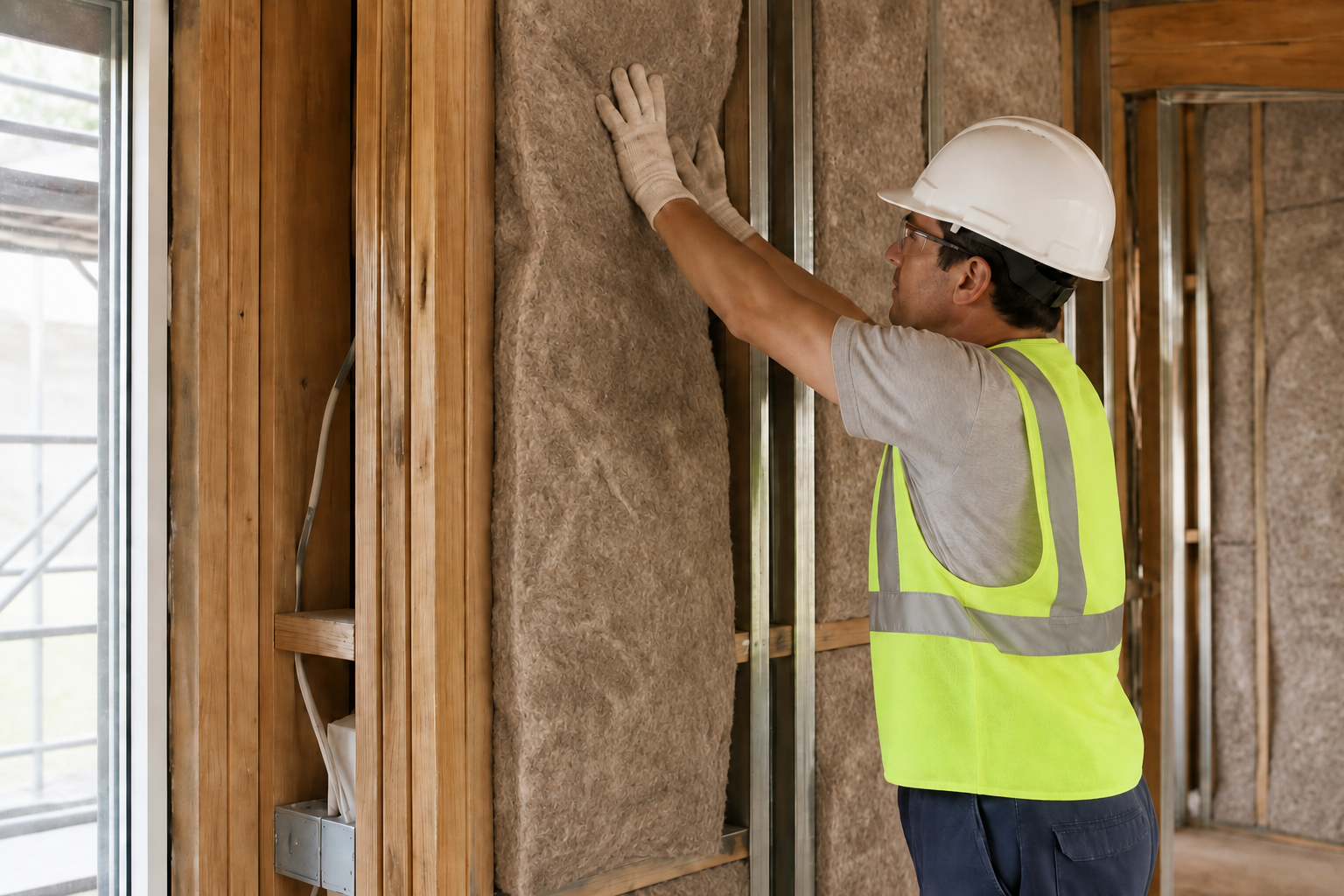
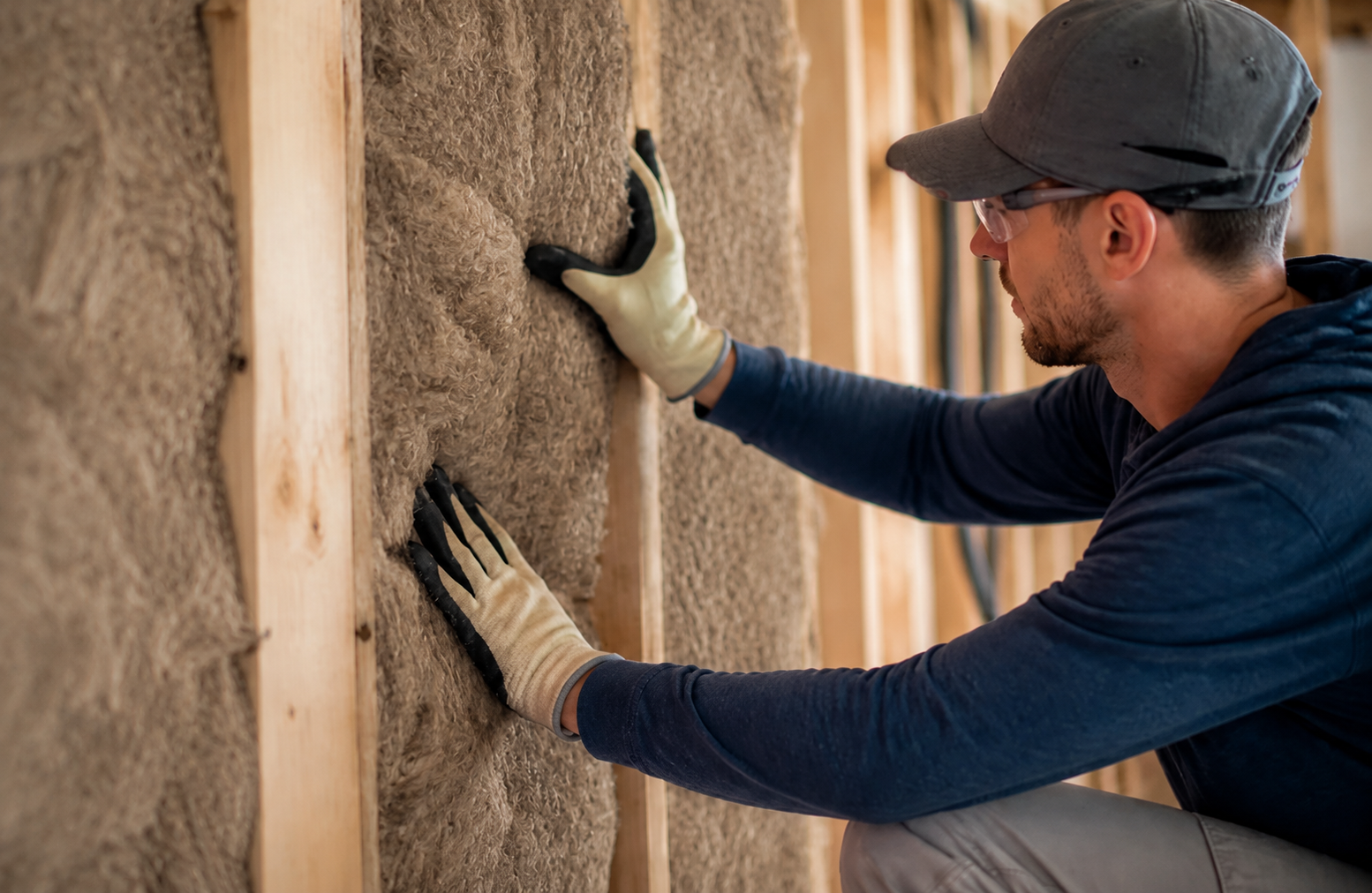
For walls, start at the top of the cavity and gently push the batt into place, ensuring it fills the entire height without compression. The friction-fit design holds batts securely between studs without additional fasteners.
Measure the cavity length accurately
Cut batts slightly oversized (10-20mm) for friction fit
Press batts into place from top to bottom
Trim around electrical boxes and services carefully
Fill small gaps with offcuts rather than leaving voids
Common Installation Mistakes
Compressed insulation loses R-value proportionally to the compression. A batt compressed to half its thickness loses approximately half its insulating effectiveness.
Leaving gaps around batts, particularly at the top and bottom of wall cavities or around services, creates thermal bridges that reduce overall system performance. Similarly, overstuffing cavities causes compression that undermines the product's design performance.
Comparing Performance Characteristics
Beyond thermal resistance, batts fiberglass insulation offers several performance attributes that influence product selection and application suitability.
Acoustic Performance
The dense, fibrous structure of glasswool batts effectively absorbs sound energy, reducing noise transmission between rooms and from outside sources. This makes batts fiberglass insulation particularly valuable in bedrooms, media rooms, and party walls between townhouses or units.
Higher-density products generally provide superior acoustic performance. Products specifically designed for acoustic applications often feature densities of 20-28 kg/m³ compared to standard batts at 9-14 kg/m³.
Fire Resistance
Fiberglass is non-combustible and doesn't contribute to fire spread. When exposed to flame, batts fiberglass insulation won't ignite or release toxic fumes, providing valuable passive fire protection within wall and ceiling assemblies.
This characteristic makes glasswool batts suitable for applications where fire safety is paramount, including multi-residential buildings, commercial structures, and bushfire-prone areas requiring enhanced construction standards.
Moisture Management
While batts fiberglass insulation itself doesn't absorb water like some organic materials, moisture management in insulated assemblies remains important. Proper vapour barriers, ventilation, and drainage prevent moisture accumulation that could reduce insulation effectiveness or promote mould growth.
Performance Factor |
Batts Fiberglass |
Key Benefits |
|---|---|---|
Thermal Resistance |
Excellent |
Reduces heating/cooling costs |
Acoustic Dampening |
Very Good to Excellent |
Improves comfort and privacy |
Fire Safety |
Non-Combustible |
Passive fire protection |
Moisture Resistance |
Good (when properly installed) |
Durable, long-lasting performance |
Environmental Impact |
Recycled content available |
Sustainable choice |
Selecting the Right Product for Your Project
Choosing appropriate batts fiberglass insulation involves matching product specifications to your building requirements, climate conditions, and performance goals.
Matching R-Values to Requirements
Start by confirming minimum R-value requirements for your location and building element. The National Construction Code and Victorian building regulations provide baseline specifications, but exceeding minimums often delivers better comfort and energy performance.
For ceiling applications in Melbourne, R6.0 insulation or R5.0 products provide excellent performance for most homes. Walls typically perform well with R2.5 batts or higher, while underfloor spaces benefit from R2.0 to R2.5 solutions.
Selection considerations:
Climate zone minimum requirements
Existing or planned frame depths
Budget allocation across the project
Acoustic performance priorities
Environmental certification preferences
Faced vs Unfaced Products
Unfaced batts consist of the glasswool material alone, suitable for most wall and ceiling applications where separate vapour barriers or sarking provide moisture control.
Faced batts include a bonded layer (typically foil or kraft paper) on one or both sides. Foil-faced products combine thermal insulation with radiant heat reflection, particularly beneficial in roof applications. The facing also provides a vapour barrier in appropriate applications.
Brand and Quality Considerations
Reputable manufacturers invest in product testing, quality control, and ongoing innovation. Established brands typically offer comprehensive product warranties and technical support.
Look for products certified to Australian Standards AS/NZS 4859.1 for thermal performance and manufactured using responsible environmental practices. Modern ECOSE technology and similar advances reduce formaldehyde content and environmental impact while improving handling characteristics.
Installation Scenarios and Applications
Batts fiberglass insulation suits numerous residential and commercial applications across different building types and construction methods.
New Construction
New builds offer the easiest installation conditions, with clear access to wall cavities, ceiling spaces, and underfloor areas before lining installation. This allows perfect product placement and complete coverage without the constraints of existing finishes.
Coordinate insulation installation with other trades, particularly electricians and plumbers, to ensure services don't compress batts or create gaps. Install batts after rough-in services are complete but before wall and ceiling lining.
Retrofit and Renovation Projects
Adding batts fiberglass insulation to existing homes improves comfort and energy efficiency significantly. Ceiling retrofits typically offer the best access and return on investment, followed by underfloor upgrades in homes with accessible subfloor spaces.
Wall retrofits present more challenges, often requiring removal of internal lining or access through roof spaces in cavity brick construction. Despite these complexities, the thermal performance improvements often justify the effort, particularly when renovating anyway.
Specific Room Applications
Different rooms benefit from tailored insulation approaches:
Bedrooms - Prioritise acoustic insulation in walls and ceilings for restful sleep
Living areas - Focus on thermal performance to reduce heating and cooling costs
Bathrooms - Ensure appropriate moisture barriers complement batts insulation
Home offices - Balance thermal and acoustic requirements for comfortable working conditions
Media rooms - Consider higher-density acoustic batts for optimal sound isolation
Maintenance and Longevity
Properly installed batts fiberglass insulation requires minimal maintenance and performs effectively for the life of the building.
Expected Lifespan
Quality glasswool batts maintain their insulating properties for 50+ years when protected from moisture damage, physical damage, and excessive compression. The material doesn't settle, decompose, or lose R-value over time under normal conditions.
This durability makes batts fiberglass insulation a cost-effective long-term investment, with the energy savings accumulated over decades far exceeding the initial product and installation costs.
When to Inspect or Replace
Inspect insulation if you notice:
Significant increases in heating or cooling costs without obvious cause
Moisture stains on ceilings or walls indicating possible water intrusion
Pest activity in roof or subfloor spaces
Major renovations that expose existing insulation
Water-damaged batts should be replaced, as moisture can compress fibres and support mould growth on adjacent building materials. Physical damage from pest activity or renovation work may also warrant replacement in affected areas.
Environmental and Health Considerations
Modern batts fiberglass insulation manufacturing incorporates environmental responsibility and improved health and safety characteristics.
Recycled Content and Sustainability
Many glasswool products now contain 60-80% recycled glass content, reducing the environmental impact of raw material extraction and manufacturing energy consumption. This recycled content doesn't compromise performance or durability.
The energy savings delivered by effective insulation far exceed the embodied energy in manufacturing and installation. A typical insulation installation pays back its environmental cost through reduced heating and cooling energy use within a few years.
Indoor Air Quality
Current batts fiberglass insulation products manufactured with advanced binding technologies (like ECOSE Technology) contain minimal formaldehyde and emit negligible volatile organic compounds (VOCs). This makes them suitable for health-conscious homeowners and projects targeting green building certifications.
Proper installation that prevents compression and maintains product integrity ensures long-term indoor air quality performance without releasing fibres into living spaces.
Cost Factors and Budgeting
Understanding the cost components of batts fiberglass insulation helps you budget accurately and compare value across product options.
Material Costs
Batts fiberglass insulation pricing varies based on:
R-value (higher R-values generally cost more per square metre)
Product density and special features (acoustic products typically cost more)
Brand positioning and quality certifications
Order quantities (larger orders often receive better pricing)
Ceiling insulation typically costs more than wall products due to greater thickness and material volume. Underfloor products fall between wall and ceiling pricing in most cases.
Installation Costs
DIY installation eliminates labour costs, making batts fiberglass insulation very affordable for confident homeowners. Professional installation costs vary based on:
Accessibility of installation areas
Building height and roof pitch
Presence of services requiring careful work-around
Project complexity and special requirements
Regional labour rates and contractor availability
Professional installation typically ranges from $15-$30 per square metre for straightforward ceiling applications, with wall and underfloor installations similarly priced depending on conditions.
Value Over Time
While batts fiberglass insulation requires upfront investment, the energy savings accumulate year after year. A well-insulated Melbourne home might save $500-$1,500 annually on heating and cooling costs compared to an uninsulated equivalent.
Combined with improved comfort, reduced environmental impact, and enhanced property value, quality insulation delivers compelling returns that justify choosing appropriate R-values over minimum compliance products.
Combining With Other Building Elements
Batts fiberglass insulation works as part of an integrated building envelope system. Understanding how it interacts with other elements optimises overall performance.
Vapour Barriers and Sarking
Controlling moisture movement through building assemblies protects insulation and structural elements. Vapour barriers prevent warm, moist air from penetrating into wall and ceiling cavities where it might condense on cold surfaces.
In Victorian climates, vapour barriers typically install on the warm side of insulation (interior side during winter). Roof sarking provides additional weather protection and can incorporate reflective surfaces that complement batts insulation thermal performance.
Air Sealing Importance
Gaps and cracks in the building envelope allow air leakage that undermines insulation effectiveness. Even small gaps around windows, doors, electrical penetrations, and service entries significantly impact thermal performance.
Combining quality batts fiberglass insulation with thorough air sealing using appropriate caulks, sealants, and weatherstripping maximises energy efficiency and comfort. The best insulation can't overcome poor air sealing.
Ventilation Requirements
Adequate ventilation prevents moisture accumulation while maintaining indoor air quality. Roof spaces require ventilation to remove heat buildup in summer and prevent condensation in winter.
Ensure insulation installation doesn't block eave vents, ridge vents, or other ventilation openings. Maintain clearances around ceiling exhaust fans and ensure they vent to the exterior, not into roof spaces.
Making Your Purchase Decision
Armed with understanding of batts fiberglass insulation types, performance characteristics, and installation requirements, you can confidently select products that suit your project needs and budget.
Calculating Requirements
Measure each area requiring insulation accurately, calculating square metres by multiplying length by width. Add 5-10% to your total for waste allowance, particularly in complex spaces with numerous obstructions or irregular layouts.
Group your requirements by R-value and product type, noting stud or joist spacing to ensure you order correctly sized batts. Double-check measurements before ordering, as insulation returns often involve restocking fees or freight costs.
Ordering Considerations
When ordering from Insulation Supplies Australia, consider:
Delivery timing relative to your construction schedule
Storage requirements (keep products dry and protected)
Access for delivery vehicles and product unloading
Coordinating with other trades for efficient workflow
Ordering all your insulation requirements together often reduces freight costs and ensures consistent product specifications across your project.
Batts fiberglass insulation delivers reliable thermal and acoustic performance for Australian homes when you choose appropriate R-values and install products correctly. Understanding the types, applications, and installation best practices helps you create comfortable, energy-efficient living spaces that perform well year-round. Whether you're tackling a complete new build, renovating selected rooms, or upgrading existing insulation, Insulation Supplies Australia offers expert guidance, competitive pricing, and fast delivery across Victoria to make your insulation project straightforward and successful. Explore the full range of quality insulation solutions and place your order today at Insulation Supplies Australia.