

Noise control has become one of the biggest comfort concerns for Australian homeowners, especially in multi-storey homes, townhouses, and apartments where sound easily travels between rooms and neighbouring properties. Acoustic batt insulation offers a practical and cost-effective solution for reducing unwanted noise, improving privacy, and creating quieter living spaces. Understanding how this specialised insulation works, where to install it, and what performance ratings to look for will help you make smarter decisions for your renovation or new build project.
What Is Acoustic Batt Insulation
Acoustic batt insulation is a specialised form of glasswool or mineral wool insulation designed specifically to absorb sound energy and reduce noise transmission through walls, floors, and ceilings. Unlike standard thermal batts, acoustic batts are manufactured with higher density materials and optimised fibre structures that trap sound waves more effectively.
The primary function of acoustic batt insulation is to dampen airborne sound. When sound waves enter a wall cavity, the dense fibres within the batt convert sound energy into small amounts of heat through friction, preventing noise from passing through to the other side. This makes acoustic batts essential for internal walls, party walls, and floor-ceiling assemblies where noise reduction is the priority.
How Acoustic Insulation Differs From Thermal Insulation
While both acoustic and thermal insulation batts may look similar, they're engineered for different purposes:
- Density: Acoustic batts typically range from 11kg/m³ to 27kg/m³, whereas standard thermal batts are usually lighter (6-14kg/m³)
- Fibre structure: Acoustic products use tighter, more compact fibre arrangements to trap sound waves
- R-value vs STC: Thermal batts focus on thermal resistance (R-value), while acoustic batts prioritise Sound Transmission Class (STC) ratings
- Application areas: Thermal batts go in exterior walls and roofs; acoustic batts are used in internal partitions
Many modern acoustic batt products also provide decent thermal performance, making them versatile for both noise control and temperature regulation.
Understanding STC Ratings and Acoustic Performance
The Sound Transmission Class (STC) rating is the standard measurement for how well a wall, floor, or ceiling assembly blocks airborne sound. Higher STC numbers indicate better noise reduction. The ASTM E90 standard establishes the testing procedures used to determine these ratings in controlled laboratory conditions.
Common STC Ratings and What They Mean
| STC Rating | Noise Level | Typical Application |
|---|---|---|
| STC 25-30 | Normal speech clearly heard | Uninsulated walls (inadequate) |
| STC 35-40 | Loud speech audible, normal speech muffled | Basic insulated walls |
| STC 45-50 | Loud speech faintly heard | Good privacy for bedrooms, offices |
| STC 50-55 | Very quiet, loud sounds barely audible | Excellent privacy, home theatres |
| STC 55+ | Near soundproof conditions | Professional studios, party walls |
For most Australian homes, an STC rating of 45-50 is recommended for internal walls between bedrooms, bathrooms, and living areas. Party walls in townhouses and apartments should target STC 50 or higher to meet building codes and ensure neighbour privacy.
Variables That Affect STC Performance
Understanding what impacts acoustic performance helps you maximise the effectiveness of your acoustic batt insulation. According to recent research on wall assembly variables, 12 key factors influence final STC ratings:
- Insulation density and thickness: Higher density acoustic batts (22-27kg/m³) deliver better sound absorption
- Wall construction type: Double stud walls outperform single stud assemblies
- Drywall layers: Two layers of plasterboard significantly improve STC compared to single sheets
- Stud spacing: Wider spacing (600mm centres) can reduce sound bridging
- Air sealing: Gaps around electrical boxes, switches, and wall penetrations drastically reduce acoustic performance
- Resilient channels: Decoupling drywall from studs minimises sound vibration transfer
The Insulation Institute's installation guidance emphasises that even premium acoustic batt insulation won't achieve its rated performance if poorly installed or paired with inadequate wall assemblies.
Choosing the Right Acoustic Batt Insulation
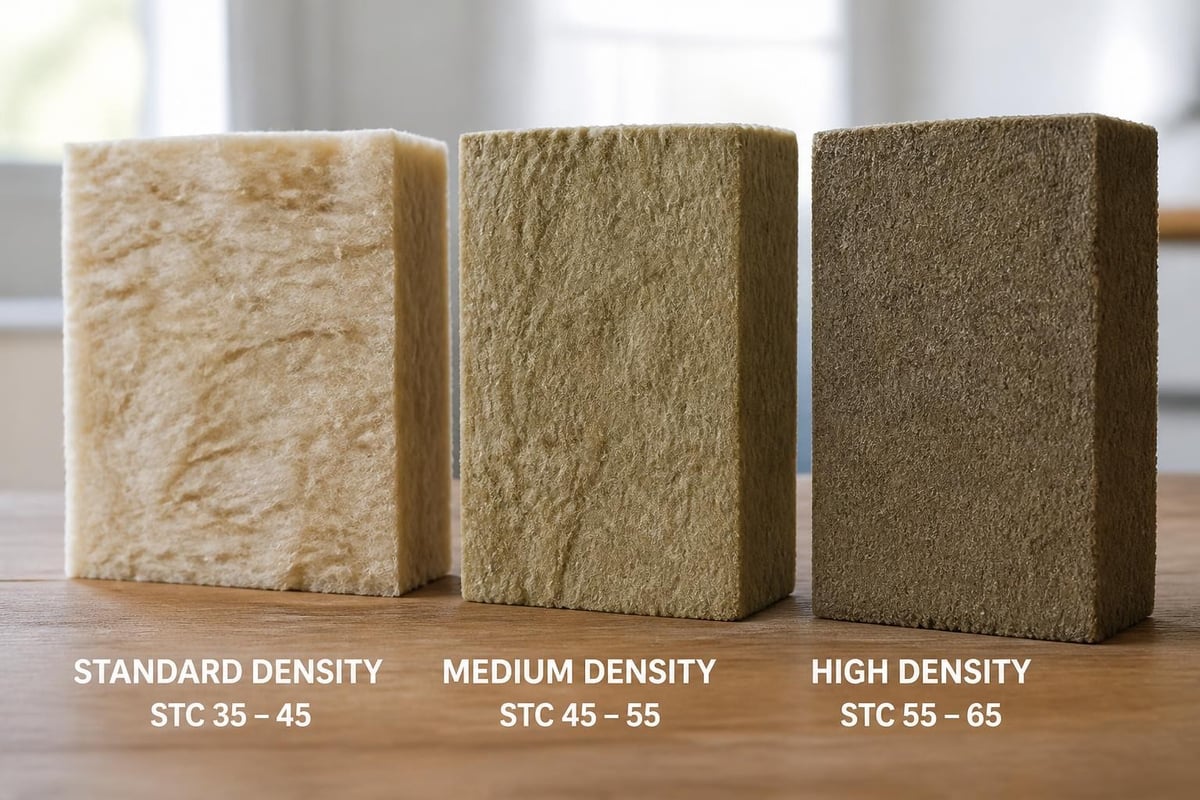
Selecting the appropriate acoustic batt insulation depends on your specific noise challenges, wall construction, and performance goals. Density is the single most important factor when comparing acoustic batts, as denser materials provide superior sound absorption.
Acoustic Batt Density Options
Australian suppliers typically offer acoustic batts in three density categories:
- Standard density (11-14kg/m³): Entry-level acoustic performance, suitable for basic noise reduction in internal walls
- Medium density (18-20kg/m³): Balanced acoustic and thermal performance for bedrooms and bathrooms
- High density (22-27kg/m³): Maximum sound absorption for home theatres, music rooms, and party walls
For most residential applications, medium to high-density acoustic batts deliver the best results without excessive cost. Products like the Earthwool Sound Shield range combine higher density construction with excellent handling characteristics.
Thickness and R-Value Considerations
Acoustic batt insulation comes in various thicknesses to suit different stud depths:
- 50-75mm: Suitable for 90mm timber studs or 64mm steel studs
- 90mm: Standard for 90mm timber frame walls
- 140mm: Used in thicker walls or where both acoustic and thermal performance matter
While thickness contributes to acoustic performance, density matters more than thickness for sound control. A 90mm high-density batt will typically outperform a 140mm standard-density batt for noise reduction.
For walls requiring both thermal and acoustic properties, consider whether you need a specific R-value. Internal walls don't require thermal ratings, but external walls benefit from batts that deliver both noise reduction and insulation value.
Where to Install Acoustic Batt Insulation
Strategic placement of acoustic batt insulation delivers the most noticeable improvements in home comfort and privacy. Not every wall requires acoustic treatment, so focus your investment on high-impact areas.
Priority Areas for Acoustic Batts
Internal walls between bedrooms and living areas: This prevents television noise, conversations, and music from disturbing sleeping family members. Install acoustic batts in walls separating bedrooms from family rooms, home theatres, or kitchens.
Bathroom walls: Bathrooms generate significant noise from plumbing, showers, exhaust fans, and toilet flushing. Acoustic batts in walls surrounding bathrooms improve privacy and reduce annoying sounds throughout the home.
Home office and study walls: With more Australians working from home in 2026, quiet workspaces are essential. Acoustic insulation reduces distractions from household activity and improves video conference audio quality.
Stairwell enclosures: Stairs create substantial noise through footfall impact and reverberation. Lining stairwell walls with acoustic batts dampens sound transfer to adjacent rooms.
Party walls in townhouses and duplexes: Shared walls between dwellings must meet minimum STC requirements under the National Construction Code. High-density acoustic batts are essential for compliance and neighbourly relations.
Floor and Ceiling Applications
Acoustic batt insulation isn't limited to walls. Floor-ceiling assemblies in two-storey homes benefit enormously from acoustic treatment:
- Install batts between floor joists to reduce footfall noise and impact sound
- Combine with resilient underlay beneath flooring for maximum noise reduction
- Use higher density batts (20kg/m³ or above) for better low-frequency sound absorption
- Seal all penetrations and gaps to prevent sound flanking paths
The effectiveness of acoustic batts in floors depends heavily on proper installation and complementary materials. Building America's guidance on party wall assemblies shows that combining acoustic insulation with resilient channel systems and sound-rated drywall delivers the best results.
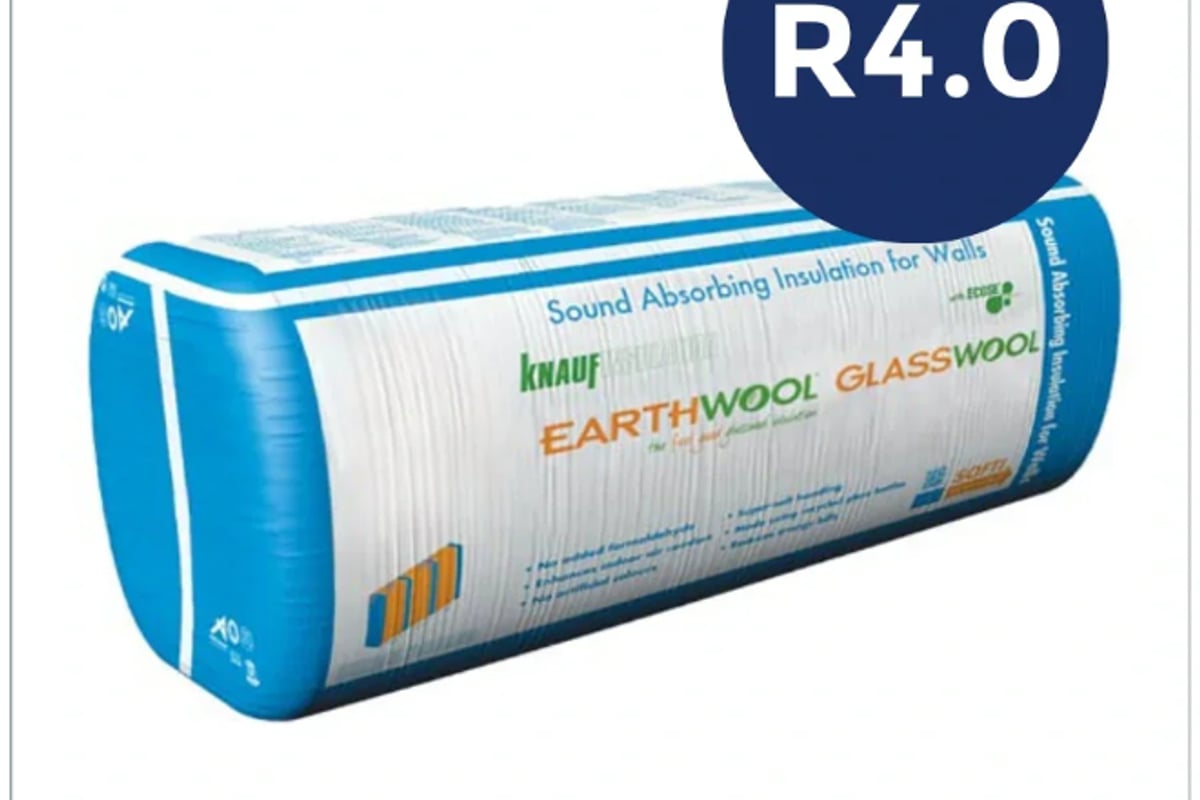
When planning your acoustic insulation project, products like Earthwool Sound Shield R4.0 batts offer exceptional noise reduction with a density of 22.6kg/m³, making them ideal for walls where maximum acoustic performance is required. These high-density batts fit standard 140mm wall frames and provide both excellent sound absorption and thermal properties.
Installation Best Practices for Maximum Performance
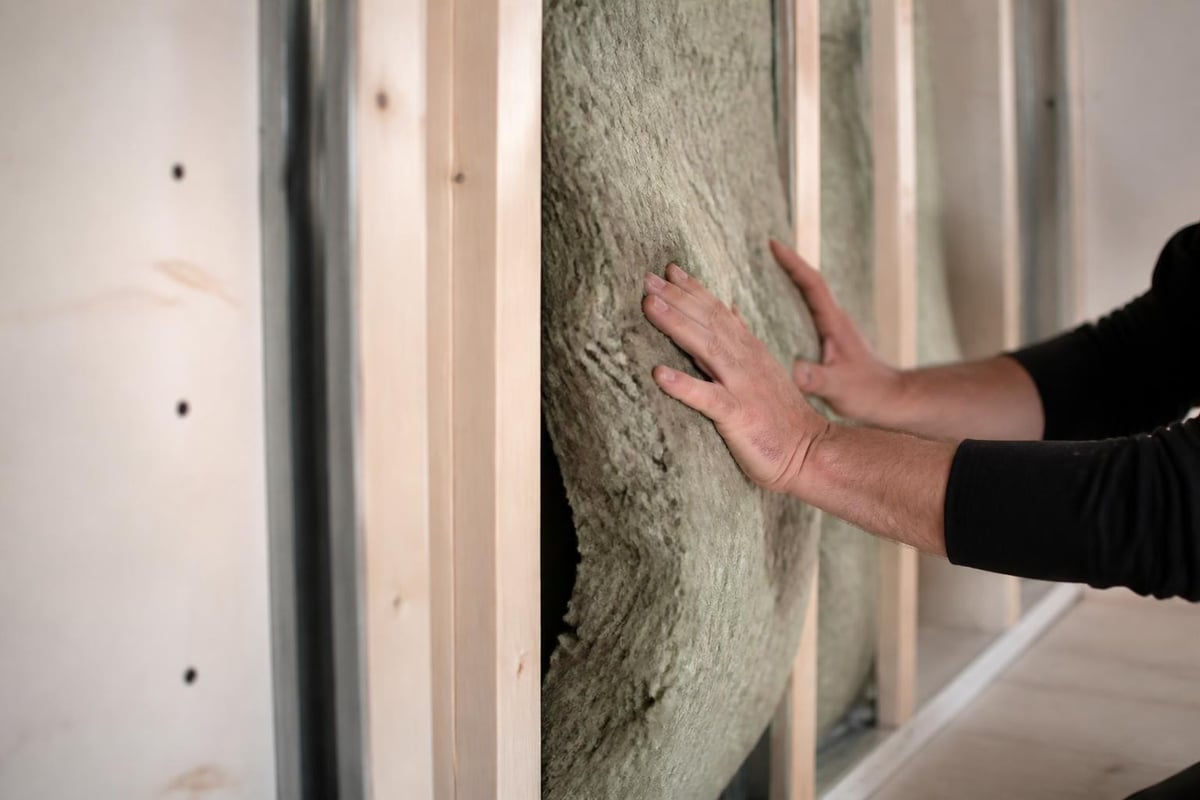
Even the highest-quality acoustic batt insulation will underperform if incorrectly installed. Achieving the rated STC performance requires attention to detail and proper installation techniques throughout the entire wall assembly.
Key Installation Steps
- Measure and cut accurately: Batts should completely fill the cavity without compression or gaps
- Fill cavities completely: Any air space reduces acoustic performance significantly
- Handle carefully: Compressed or damaged batts lose effectiveness
- Cut around obstacles: Carefully fit insulation around electrical boxes, pipes, and blocking
- Don't compress batts: Forcing oversized batts into cavities reduces both acoustic and thermal performance
The proper installation preparation guidelines stress that acoustic batt insulation works by creating friction within the fibre matrix. Compression reduces the air space between fibres, diminishing sound absorption capacity.
Critical Air Sealing Requirements
Air gaps are the enemy of acoustic performance. Sound easily travels through even small openings, bypassing your insulation entirely:
- Seal electrical boxes: Use acoustic putty pads behind wall plates and switches
- Caulk penetrations: Seal around pipes, cables, and ducts with acoustic sealant
- Close gaps at plates: Seal the junction between walls and floor/ceiling plates
- Address back-to-back boxes: Offset electrical boxes on opposite sides of walls or use deeper cavities
According to assembly testing data, a wall with excellent acoustic batts but unsealed electrical boxes can lose 5-10 STC points compared to its potential rating.
Common Installation Mistakes to Avoid
- Leaving gaps: Even small unfilled spaces allow sound to pass through
- Over-compression: Stuffing too much material into cavities reduces effectiveness
- Inconsistent installation: Mixing insulated and uninsulated sections creates weak points
- Ignoring flanking paths: Sound travels around insulation through studs, joists, and connecting structures
- Poor cutting technique: Ragged or undersized cuts create air gaps
For owner-builders and DIY renovators, taking time to install acoustic batt insulation properly delivers far better results than rushing the job. Check the comprehensive installation resources at Insulation Supplies Australia for detailed guidance specific to your project type.
Combining Acoustic Batts With Other Noise Control Strategies
While acoustic batt insulation forms the foundation of effective noise control, combining it with complementary strategies maximises overall performance and addresses different types of sound transmission.
Layered Drywall Systems
Single-layer plasterboard provides limited noise reduction. Double-layer drywall significantly improves STC ratings:
- First layer: Standard 10mm or 13mm plasterboard fixed to studs
- Second layer: Additional 10mm or 13mm layer with staggered joints
- Optional: Mass-loaded vinyl barrier between layers for enhanced performance
- Use acoustic sealant at all perimeter joints
This combination, paired with high-density acoustic batts, can achieve STC ratings of 50-55 or higher in standard stud wall construction.
Resilient Channel and Decoupling
Sound vibrates through solid connections between wall surfaces and framing. Resilient channels reduce this structure-borne sound transmission:
- Install horizontal resilient metal channels perpendicular to studs
- Attach drywall to channels rather than directly to studs
- Break the direct connection between wall surfaces
- Particularly effective for low-frequency noise reduction
When combined with quality acoustic batt insulation, resilient channel systems can add 5-10 STC points to wall assembly performance. The SynC Standards for acoustic insulation detail specifications for various wall configurations and expected outcomes.
Staggered or Double Stud Walls
For ultimate acoustic performance in critical applications:
Staggered stud walls: Alternate studs on a wider bottom plate so drywall on each side attaches to different studs, eliminating direct sound paths through framing.
Double stud walls: Build two separate stud walls with a small gap between them, creating complete isolation between wall surfaces.
Both approaches require more space and materials but deliver exceptional noise reduction when filled with acoustic batt insulation. They're ideal for home theatres, music studios, or situations requiring maximum privacy.
Product Selection Guide for Australian Conditions
Australian homes face unique acoustic challenges, from outdoor traffic noise in urban areas to sound transmission issues in higher-density housing developments. Selecting acoustic batt insulation suited to local conditions ensures optimal performance.
Material Composition Considerations
Most Australian acoustic batts use either glasswool or stone wool (mineral wool) as the primary material:
| Material | Advantages | Considerations |
|---|---|---|
| Glasswool | Excellent acoustic properties, lightweight, cost-effective | Requires careful handling during installation |
| Stone wool | Superior fire resistance, moisture resistant, rigid | Higher cost, heavier, requires cutting tools |
| Polyester | Non-irritating, safe to handle, environmentally friendly | Lower acoustic performance than mineral options |
For most residential applications, high-density glasswool acoustic batts offer the best balance of performance, handling, and value. Products manufactured with ECOSE technology provide better indoor air quality with reduced dust and irritants.
Climate and Moisture Factors
Victoria's variable climate means walls can experience moisture infiltration, condensation, and humidity fluctuations. When selecting acoustic batt insulation:
- Choose products with moisture-resistant properties for bathrooms and laundries
- Ensure proper vapour management in the wall assembly
- Verify that acoustic batts won't promote mould growth if dampened
- Consider breathable wall wraps in conjunction with insulation
Stone wool products like ROCKWOOL AFB offer excellent moisture resistance alongside acoustic performance, though glasswool batts with proper installation also perform well in typical residential conditions.
Fire Safety and Building Codes
Internal acoustic insulation contributes to overall fire safety by:
- Slowing fire spread between rooms and levels
- Providing limited fire resistance in wall assemblies
- Protecting structural members from direct flame exposure
Most quality acoustic batts achieve non-combustible or low-combustibility ratings. Verify that products meet Australian Standards AS/NZS 3837 for fire performance in residential construction. Party walls and walls around fire-rated areas may require specific fire-rated acoustic insulation systems.
Cost Considerations and Budget Planning
Understanding the costs associated with acoustic batt insulation helps you plan your renovation budget effectively and make informed decisions about where to invest for maximum benefit.
Typical Price Ranges per Square Metre
Acoustic batt insulation costs vary based on density, thickness, brand, and performance characteristics:
- Standard density acoustic batts (11-14kg/m³): Generally the most economical option for basic noise reduction
- Medium density acoustic batts (18-20kg/m³): Mid-range pricing with good performance balance
- High-density acoustic batts (22-27kg/m³): Premium pricing but delivers maximum acoustic performance
Installation costs add to material expenses. Professional installation typically ranges from $15-$30 per square metre depending on project complexity, access, and location. DIY installation eliminates labour costs but requires time, proper safety equipment, and careful technique.
Where to Prioritise Your Acoustic Insulation Budget
If budget constraints limit comprehensive acoustic treatment, focus investment on these high-impact areas:
- Master bedroom walls: Ensure peaceful sleep by isolating from living areas and bathrooms
- Party walls: Meet building code requirements and maintain good neighbour relations
- Home theatre or media room: Contain sound within entertainment spaces
- Home office: Create professional work environment free from household distractions
- Bathrooms: Improve privacy and reduce plumbing noise
The cost difference between standard and high-density acoustic batts is often modest compared to the significant performance improvement. Investing in quality products for critical walls delivers better long-term satisfaction than using budget materials throughout.
Long-Term Value and Return on Investment
Quality acoustic batt insulation provides lasting value that extends beyond immediate noise reduction:
- Improved property value: Buyers increasingly prioritise peaceful, quiet homes
- Enhanced liveability: Reduced noise stress improves mental health and family harmony
- Energy efficiency: Many acoustic batts also provide thermal benefits, reducing heating and cooling costs
- No maintenance required: Once installed, acoustic insulation performs indefinitely without degradation
The upfront investment in acoustic batt insulation typically pays for itself through improved comfort, potential energy savings, and increased property appeal if you decide to sell.
Special Considerations for Different Room Types
Different spaces have unique acoustic requirements that influence the type and installation approach for acoustic batt insulation.
Bedrooms and Sleeping Areas
Bedrooms require low ambient noise levels for quality sleep. Target STC 45 minimum for bedroom walls:
- Use medium to high-density acoustic batts in walls adjoining living areas, bathrooms, and hallways
- Install in both horizontal and vertical walls surrounding each bedroom
- Pay special attention to walls near external noise sources (streets, neighbours)
- Consider ceiling insulation in two-storey homes to reduce upstairs footfall noise
Combining acoustic batts with sound-rated doors and quality window seals creates comprehensive bedroom noise control.
Home Theatres and Media Rooms
Home entertainment systems generate significant sound energy across a wide frequency range. High-density acoustic batts (22kg/m³ or above) are essential:
- Install in all walls surrounding the room, including walls to hallways and storage areas
- Use double-layer drywall with resilient channels for maximum STC performance
- Include acoustic batts in ceiling cavities to prevent sound transfer to upper floors
- Seal all penetrations meticulously, as even small gaps dramatically reduce effectiveness
For serious home theatre installations, combining acoustic batts with bass traps and acoustic panels addresses both sound transmission and internal room acoustics.
Bathrooms and Wet Areas
Bathrooms generate multiple noise sources including plumbing, exhaust fans, showers, and voices. Acoustic treatment improves privacy and reduces annoying sounds:
- Install acoustic batts in all walls, particularly those adjoining bedrooms and living areas
- Use moisture-resistant insulation products suitable for wet area applications
- Ensure proper vapour barriers and ventilation to prevent moisture accumulation
- Pay attention to ceiling cavities above bathrooms to reduce exhaust fan noise transfer
Combining acoustic insulation with quality plumbing installation (securing pipes, using flexible connections) addresses both airborne and structure-borne bathroom noise.
Home Offices and Study Spaces
Professional work-from-home environments require freedom from household distractions. Acoustic batt insulation creates productive workspaces:
- Install in walls separating offices from high-activity areas (kitchens, living rooms, playrooms)
- Consider ceiling insulation if children play or move about on upper floors
- Use standard to medium-density batts unless the office doubles as a recording studio
- Combine with sound-rated doors and solid-core construction for comprehensive noise control
Quality acoustic treatment in home offices also improves video conference audio by reducing echo and background noise pickup.
DIY Installation vs Professional Installation
Deciding whether to install acoustic batt insulation yourself or hire professionals depends on your skills, time availability, project scope, and desired outcomes.
When DIY Installation Makes Sense
Owner-builders and experienced renovators can successfully install acoustic batt insulation when:
- Working with accessible wall cavities during renovation or new construction
- Comfortable with safety equipment (gloves, masks, protective clothing)
- Projects involve straightforward wall configurations without complex penetrations
- You have time to install carefully and methodically
- The project scope is manageable (a few rooms rather than whole-house)
DIY installation saves labour costs and gives you direct control over installation quality. Following proper installation techniques ensures you achieve the rated performance from your acoustic batts.
Safety Requirements for DIY Installation
Proper safety practices protect your health when working with fibrous insulation materials:
- Protective clothing: Long sleeves, long pants, gloves to minimise skin contact
- Respiratory protection: P2-rated dust mask or respirator to avoid inhaling fibres
- Eye protection: Safety glasses or goggles to prevent eye irritation
- Ventilation: Work in well-ventilated areas, especially in confined spaces
- Proper tools: Sharp utility knives for clean cuts, measuring tools for accurate sizing
Modern glasswool products like those manufactured with ECOSE technology produce less dust and irritation than older formulations, making DIY installation more pleasant. Still, basic protective equipment remains essential.
When to Hire Professionals
Professional installation provides advantages for:
- Retrofit projects: Installing insulation in existing enclosed walls requires specialised tools and expertise
- Complex layouts: Homes with numerous penetrations, irregular framing, or difficult access benefit from professional experience
- Large-scale projects: Whole-house acoustic treatment is faster and often more cost-effective with professional crews
- Code compliance: Professionals ensure installation meets building code requirements and achieves rated performance
- Time constraints: Busy homeowners may prefer paying for installation rather than dedicating weekends to the project
Professional installers also carry appropriate insurance and warranties, providing protection if issues arise.
Maintaining Acoustic Performance Over Time
Once properly installed, acoustic batt insulation requires minimal maintenance. However, certain renovations and modifications can compromise acoustic performance if not carefully managed.
Protecting Acoustic Barriers During Renovations
Future electrical work, plumbing modifications, or wall alterations can damage acoustic insulation:
- Document insulation locations: Photograph or note which walls contain acoustic batts before closing them
- Brief contractors: Inform electricians and plumbers about acoustic treatment so they can work carefully
- Repair openings promptly: If walls are opened for repairs or upgrades, restore acoustic batts and sealing immediately
- Avoid compression: Don't stuff additional cables or pipes into insulated cavities in ways that compress batts
Common Issues That Reduce Acoustic Performance
Several factors can diminish the effectiveness of acoustic batt insulation over time:
- Settlement: While quality batts resist settling, improper installation can lead to gaps at the top of wall cavities
- Moisture damage: Water leaks or chronic condensation can compress fibrous insulation and reduce acoustic properties
- Pest infiltration: Rodents or insects may disturb insulation, creating gaps and reducing effectiveness
- Unsealed modifications: Adding electrical outlets, cable penetrations, or ventilation without proper sealing creates sound leakage paths
Regular home maintenance, including leak repairs and pest control, protects your acoustic insulation investment.
Verifying Performance After Installation
You can assess whether your acoustic batt insulation is performing as expected:
- Subjective testing: Have someone speak at normal volume in one room while you listen from the adjacent room
- Identify weak points: Listen for areas where sound seems louder, indicating gaps or poor sealing
- Professional testing: Acoustic consultants can conduct STC testing if precise verification is needed
- Comparative assessment: Notice improvements compared to pre-installation noise levels
If performance seems inadequate, check for common installation deficiencies like unsealed electrical boxes, gaps around perimeter plates, or missing insulation sections before concluding the product itself is faulty.
Acoustic Insulation and Building Regulations
Understanding building code requirements ensures your acoustic insulation project meets minimum standards while helping you decide when to exceed those minimums for better comfort.
National Construction Code Requirements
The National Construction Code (NCC) includes provisions for sound transmission in residential buildings:
- Party walls: Shared walls between dwellings must achieve minimum weighted sound reduction index (Rw) values
- Floor-ceiling assemblies: Multi-storey dwellings require minimum impact and airborne sound insulation between levels
- Bathrooms: Some jurisdictions require acoustic separation between bathrooms and habitable rooms
- Verification methods: Compliance can be demonstrated through deemed-to-satisfy provisions or performance solutions
Acoustic batt insulation typically forms part of the deemed-to-satisfy solution for meeting NCC acoustic requirements. However, the complete wall or floor assembly determines final performance, not just the insulation alone.
Multi-Family and Townhouse Specific Requirements
Party walls between townhouses, units, and apartments face stricter requirements than internal walls within single dwellings:
- Minimum Rw ratings typically range from 45-50 depending on jurisdiction and building classification
- Impact sound insulation (Ln,w ratings) apply to floor-ceiling assemblies above neighbouring dwellings
- Specific construction details must be followed to achieve ratings
- Acoustic testing may be required to verify compliance before occupation certificates are issued
Meeting these requirements demands careful product selection and installation. High-density acoustic batts, double-layer drywall, resilient mounting systems, and thorough sealing all contribute to compliant assemblies.
Professional Acoustic Consultants and Testing
Complex projects or high-performance requirements may benefit from engaging acoustic consultants:
- Pre-construction design: Consultants can specify assemblies to achieve desired STC ratings
- Product recommendations: Expert advice on which acoustic batts and complementary products suit your goals
- Installation inspection: Verification that installation meets specifications before walls are closed
- Post-construction testing: Laboratory-standard STC testing to verify actual performance
While adding to project costs, professional acoustic consulting ensures critical spaces like party walls, home theatres, or recording studios achieve expected performance.
Acoustic batt insulation transforms noisy homes into peaceful sanctuaries through strategic noise control in walls, floors, and ceilings. Understanding density requirements, proper installation techniques, and complementary acoustic strategies helps you achieve the quiet, private living spaces you deserve. Insulation Supplies Australia offers a comprehensive range of acoustic batt insulation products suited to every application, backed by expert advice to guide your selection and installation. Browse the full collection online, compare specifications, and order with confidence knowing you're working with Victoria's trusted insulation supplier dedicated to making your project successful.