

When you're comparing insulation products for your home or building project, you'll often encounter R-values that indicate thermal performance. R4 insulation sits in the middle of the thermal resistance spectrum, offering a practical balance between thermal efficiency and cost-effectiveness for specific applications. Understanding where r4 insulation works best and how it compares to other ratings helps you make informed decisions about your insulation investment. Whether you're insulating walls, floors, or specialty applications, knowing the capabilities and limitations of this R-value rating ensures you select the right product for your climate zone and building requirements.
What Is R4 Insulation and How Does It Work
R4 insulation refers to insulation products with a thermal resistance rating of R4.0 or very close to it. The R-value measures how effectively insulation resists heat flow – the higher the number, the better the insulation performs at keeping heat where you want it.
With an R-value of 4.0, this insulation provides moderate thermal resistance suitable for specific applications rather than primary thermal barriers in extreme climates. The R-value depends on thickness, density, and material composition, meaning different insulation types can achieve R4 ratings through varying configurations.
Common Materials That Achieve R4 Ratings
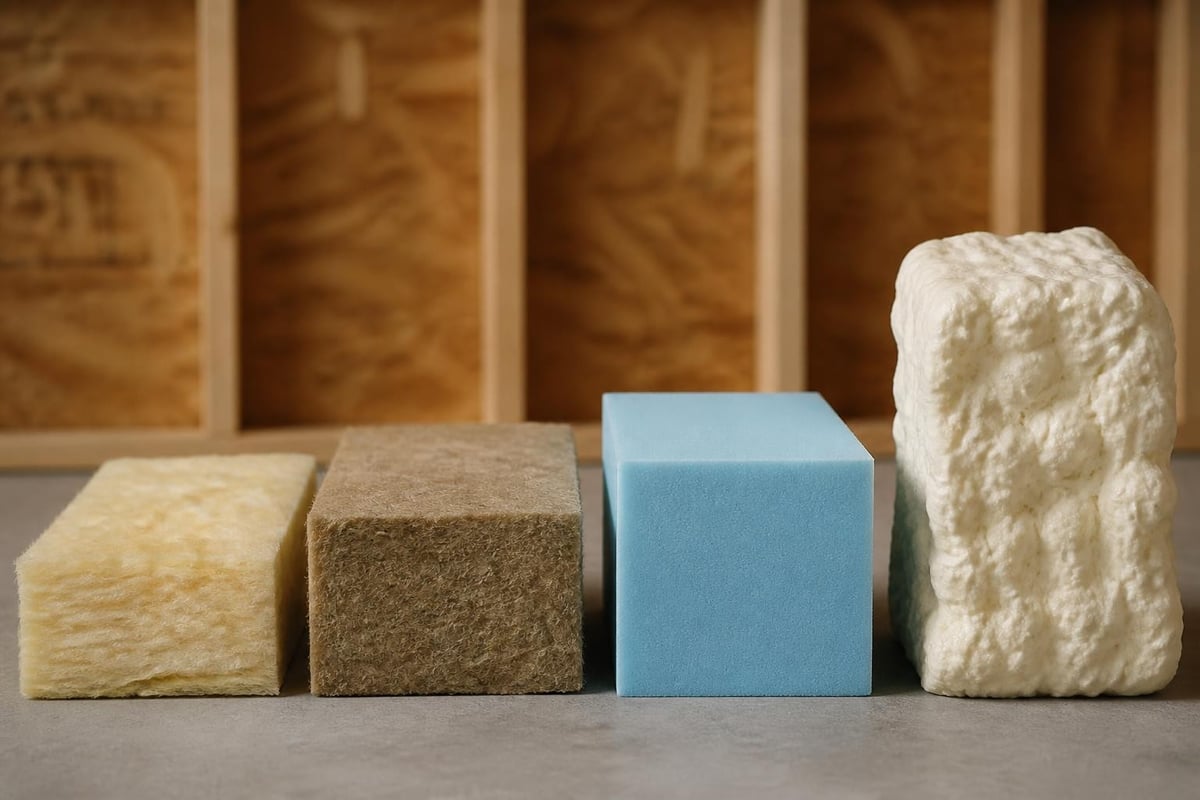
Several insulation materials can deliver r4 insulation performance:
Glasswool batts: Typically 140mm thick for standard density products
Stone wool slabs: Used in commercial and industrial applications for combined thermal and acoustic performance
Rigid foam boards: XPS or EPS panels in specific thicknesses
Spray foam: Applied to achieve the necessary depth for R4 thermal resistance
Fiberboard composites: Combined materials offering thermal and acoustic benefits
Different materials achieve the same R-value through different physical properties. Glasswool batts, rigid insulation boards, and reflective foil products all provide thermal resistance in different ways. For example, rigid products such as Styroboard XPS Insulation Boards can deliver thermal performance while also offering compressive strength and moisture resistance, making them suitable for specific applications where traditional batt insulation may not be the best fit.
How Thermal Resistance Affects Energy Efficiency
R4 insulation creates a thermal barrier that slows heat transfer between conditioned and unconditioned spaces. In winter, it reduces heat loss from heated interiors. During summer, it limits heat gain from outside.
The actual energy savings depend on your climate zone, existing insulation levels, and how well the insulation integrates with other building envelope components. R4 works effectively in moderate climates or as supplementary insulation in combination systems.
Ideal Applications for R4 Insulation Products
R4 insulation serves specific purposes in residential and commercial construction. Understanding where this R-value performs best helps you avoid over-specifying (wasting money) or under-specifying (compromising performance).
Wall Cavity Applications
In mild climate zones, r4 insulation provides adequate thermal performance for standard wall cavities. A 90-140mm thick batt achieving R4 fits comfortably within typical timber or steel stud walls without compression.
Wall applications benefit from R4's balance between thermal efficiency and acoustic performance. Many R4-rated products also deliver sound dampening properties, making them valuable in multi-residential buildings or home theatres.
Application |
R4 Suitability |
Alternative Considerations |
|---|---|---|
External walls (mild climates) |
Excellent |
R2.5-R3.5 may suffice in very mild areas |
External walls (cold climates) |
Marginal |
Consider R5.0-R6.0 for better performance |
Internal walls (acoustic) |
Very Good |
Density matters more than R-value for sound |
Cavity wall insulation |
Good |
Ensure water resistance in masonry applications |
Commercial and Industrial Uses
Commercial buildings often use R4-rated products in specific zones:
Partition walls between tenancies for fire and acoustic separation
Suspended floor systems in multi-storey buildings
HVAC ductwork insulation to reduce heat gain or loss in air distribution systems
Cold storage facilities as supplementary insulation in combination systems
R4 insulation is also widely used in specialised commercial and industrial applications where maintaining consistent temperatures, improving energy efficiency, and meeting specific thermal performance requirements are essential.
Underfloor Insulation in Specific Configurations
For suspended timber floors in moderate climates, R4 provides meaningful thermal improvement. However, colder regions typically require R2.5 specifically designed underfloor products that balance thermal performance with moisture management.
The key consideration for underfloor applications isn't just R-value but also product configuration. Lightweight, flexible products that fit between joists while maintaining their insulating properties work best.
Comparing R4 to Other Common R-Values
Understanding where R4 sits in the thermal performance hierarchy helps you evaluate whether it's the right choice for your specific application.
R-Value Performance Spectrum
R1.0-R2.0: Minimal insulation, suitable for internal partition walls or acoustic-only applications
R2.5-R3.5: Standard performance for walls in mild to moderate climates
R4.0-R5.0: Enhanced performance for walls or moderate-climate ceilings
R6.0-R8.0: High performance ceiling insulation for most Australian climates
R9.0+: Premium ceiling insulation for extreme climates or passive house standards
R4 insulation bridges the gap between standard wall insulation and entry-level ceiling products. In Victoria's climate zones, R4.0 ceiling insulation can work in mild coastal areas, though R6.0 is more commonly recommended.
When to Choose R4 Over Higher or Lower Values
Choose R4 when:
Building in mild climate zones where extreme temperatures are rare
Supplementing existing insulation rather than starting fresh
Budget constraints prevent higher R-values but minimum standards aren't adequate
Combining insulation with other high-performance building envelope strategies
Space limitations prevent thicker, higher R-value products
Consider alternatives when:
Building regulations mandate higher minimum R-values
Long-term energy costs justify higher upfront investment
Climate extremes demand maximum thermal protection
Ceiling applications in most Australian climate zones
Installation Considerations and Best Practices
Proper installation determines whether r4 insulation delivers its rated performance. Even the best product fails if poorly installed.
Measuring and Cutting for Wall Applications
Measure cavity width and height accurately before purchasing materials
Allow for slight compression in friction-fit batts (maximum 5% compression)
Cut batts 10-20mm wider than cavity to ensure complete contact with studs
Use sharp tools for clean cuts that maintain insulation integrity
Fill all gaps around windows, doors, and service penetrations
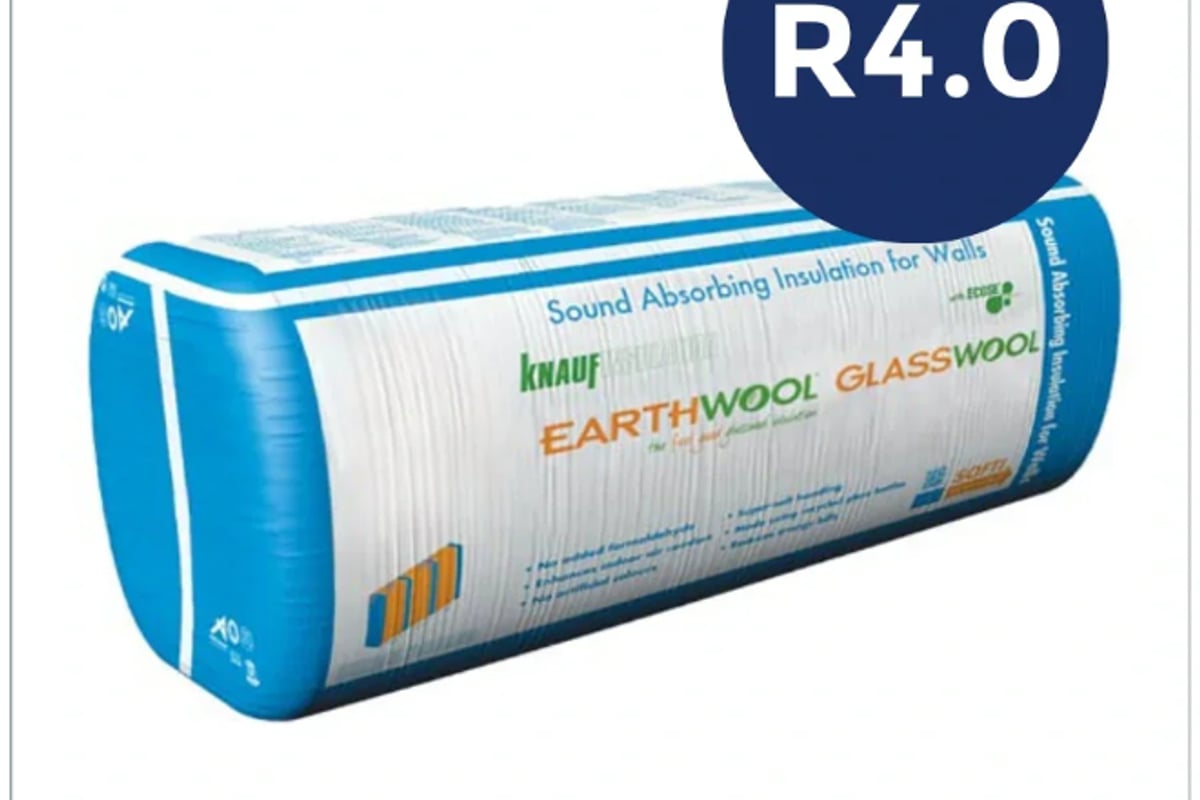
For products like the Earthwool Sound Shield R4.0, the 580mm width suits standard Australian stud spacing (600mm centers), while the 140mm thickness provides the necessary loft for R4 performance without excessive compression.
Avoiding Common Installation Mistakes
Compression problems reduce effective R-value significantly. A compressed R4 product might only deliver R3.0 performance if squashed too tightly. Always choose the right thickness for your cavity depth.
Gaps and voids create thermal bridges where heat escapes freely. Even a 5% gap can reduce overall thermal performance by 25% or more. Careful attention to edges, corners, and penetrations makes the difference.
Moisture barriers and vapor control matter in certain applications. Some r4 insulation products include facings or require separate vapor control layers depending on climate and construction type.
Working with Rigid R4 Insulation Boards
Rigid insulation boards achieving R4 ratings offer different installation challenges than flexible batts:
Cut boards using appropriate tools – circular saws or hot knives depending on material
Seal joints between boards with appropriate tape or foam sealant
Secure boards mechanically according to manufacturer specifications
Protect boards from UV exposure and physical damage before cladding
Different insulation products are suited to different applications. In HVAC systems, for example, rigid insulation boards can provide thermal performance while also helping maintain the structural integrity of ductwork.
Climate Zone Considerations for R4 Products
Australia's diverse climate zones require different insulation strategies. R4 insulation works excellently in some regions but falls short in others.
Victorian Climate Requirements
Victoria experiences varied climate conditions from coastal mild zones to alpine cold regions. Building Code of Australia (BCA) minimum requirements typically exceed R4 for most ceiling applications but may permit R4 in wall applications depending on the specific climate zone.
In Melbourne's climate zone 6, wall insulation requirements generally sit between R2.8 and R4.0 depending on wall construction and window ratios. R4 represents the higher end of typical wall performance, offering comfort improvements beyond minimum compliance.
Climate Zone |
Typical Wall Requirements |
Typical Ceiling Requirements |
R4 Suitability |
|---|---|---|---|
Zone 6 (Melbourne) |
R2.8-R4.0 |
R5.0-R6.0 |
Good for walls, low for ceilings |
Zone 7 (Alpine) |
R3.5-R5.0 |
R6.0-R7.0 |
Marginal for walls, inadequate for ceilings |
Zone 5 (Mild coastal) |
R2.5-R3.5 |
R4.0-R5.0 |
Exceeds requirements for walls, marginal for ceilings |
Combining R-Values for Enhanced Performance
Sometimes using r4 insulation as part of a layered system makes more sense than using it alone. Continuous insulation strategies combine cavity insulation with external rigid boards to eliminate thermal bridging.
For example, R2.5 in wall cavities plus R1.5 continuous external insulation delivers better real-world performance than R4.0 in cavities alone, because it addresses thermal bridging through studs.
Material-Specific R4 Products and Their Characteristics
Different materials achieving R4 ratings offer distinct advantages and trade-offs beyond pure thermal performance.
Glasswool R4 Insulation
Glasswool products represent the most common way to achieve r4 insulation in Australian residential construction. They offer:
Advantages:
Cost-effective compared to other materials
Non-combustible fire performance
Excellent acoustic absorption
Easy to handle and install with proper PPE
Widely available in batts and blanket formats
Considerations:
Requires protective clothing and ventilation during installation
Loses effectiveness if wet (though modern products resist moisture better)
Can settle slightly over time if not properly supported
Stone Wool and Mineral Wool Options
Stone wool products like certain variants offer R4 performance with enhanced fire resistance and acoustic properties. These denser products excel in commercial applications where fire ratings matter.
Stone wool typically costs more than glasswool but offers superior durability and dimensional stability. The higher density also provides better acoustic performance at the same R-value.
Rigid Foam Board R4 Solutions
XPS and EPS foam boards achieve R4 ratings in relatively thin profiles compared to fibrous insulation:
XPS (extruded polystyrene): Better moisture resistance, higher compressive strength, blue or pink color
EPS (expanded polystyrene): Lower cost, adequate moisture resistance, white color
Polyisocyanurate (polyiso): Highest R-value per inch, best for space-limited applications
Rigid insulation boards demonstrate how high-performance insulation can be used in continuous insulation applications to help reduce thermal bridging and improve overall energy efficiency.
Rigid Insulation Boards Achieving R4 Ratings
Rigid insulation boards are commonly used in applications where thermal performance, moisture resistance, and durability are important. These products can be installed in walls, floors, roofs, and other building elements to provide consistent insulation while helping reduce thermal bridging.
Products such as XPS insulation boards achieve high thermal performance within a relatively thin profile, making them suitable for projects where space is limited. The right board thickness will depend on the required R-value, installation method, and the specific needs of the building.
Cost Considerations and Value Assessment
Evaluating r4 insulation requires balancing upfront costs against long-term energy savings and comfort improvements.
Price Ranges for Different R4 Products
Insulation costs vary based on material, format, and supplier:
Glasswool batts (R4.0): $8-15 per square meter
Stone wool slabs (R4.0): $15-25 per square meter
Rigid foam boards (R4.0): $12-20 per square meter depending on material
Spray foam (R4.0 applied): $25-40 per square meter including installation
These prices represent general ranges and fluctuate based on market conditions, product specifications, and purchase quantities. Higher-density acoustic products typically cost more than standard thermal-only versions at the same R-value.
Return on Investment Calculations
Energy savings from insulation depend on multiple factors:
Climate severity and heating/cooling degree days
Energy costs in your area (electricity, gas, or other fuels)
Existing insulation levels (upgrading from nothing shows bigger savings than upgrading from R2.5)
Building air tightness and overall envelope performance
Heating and cooling system efficiency
In Victorian climates, upgrading from no insulation to R4 in walls typically shows payback periods of 3-7 years through reduced heating and cooling costs. Upgrading from R2.5 to R4.0 shows longer payback but improved comfort.
When to Invest More or Less Than R4
Invest in higher R-values (R5.0-R6.0+) when:
Building in colder climate zones
Insulating ceilings where higher R-values fit easily
Planning to own the property long-term
Energy costs continue rising
Seeking premium comfort levels
Consider lower R-values (R2.5-R3.5) when:
Building in very mild climates
Budget constraints are severe
Renovating rental properties (though tenant comfort still matters)
Building regulations permit lower values
Acoustic Performance Beyond Thermal Ratings
Many r4 insulation products deliver valuable acoustic benefits alongside thermal performance. Understanding sound control helps you select products that solve multiple problems.
Sound Absorption vs. Sound Blocking
R4-rated insulation products absorb sound energy, reducing echo and reverberation within rooms. This differs from sound blocking, which prevents sound transmission between spaces.
For effective sound blocking, density matters more than R-value. A high-density R4 product like 22.6kg/m³ glasswool outperforms a low-density R6.0 product for acoustic separation between rooms.
Selecting R4 Products for Acoustic Applications
When acoustic performance matters equally to thermal:
Choose higher-density products at the same R-value
Fill cavities completely without gaps that allow sound flanking
Combine with other acoustic treatments like resilient channels and acoustic sealant
Consider specialised acoustic batts that optimise density and fiber structure for sound absorption
The combination of R4.0 thermal performance with enhanced acoustic properties makes products like Earthwool Sound Shield R4.0 particularly valuable in multi-residential construction or home theatre applications.
STC and Rw Ratings Explained
Sound Transmission Class (STC) and Weighted Sound Reduction Index (Rw) measure how well wall or floor assemblies block sound. R4 insulation contributes to these ratings but doesn't determine them alone.
A typical timber-framed wall with R4.0 glasswool insulation achieves STC/Rw ratings of 45-52 depending on cladding, lining, and construction details. Adding higher-density R4 insulation can improve these ratings by 3-5 points compared to lower-density alternatives.
Health, Safety, and Environmental Considerations
Choosing r4 insulation involves more than performance specifications. Health impacts during installation, long-term indoor air quality, and environmental footprint all matter.
Installation Safety Requirements
Working with insulation requires appropriate personal protective equipment:
Dust masks or respirators (P2/N95 minimum for glasswool and stone wool)
Safety glasses to protect eyes from airborne fibers
Long sleeves and gloves to prevent skin irritation
Good ventilation in work areas to minimise dust exposure
Modern glasswool products using technologies like ECOSE® reduce formaldehyde content and minimise irritation compared to older products, but safety precautions remain important.
Indoor Air Quality and Off-Gassing
Quality r4 insulation products contribute to healthy indoor environments by stabilising temperatures and reducing condensation risks. Avoid moisture problems by ensuring proper vapor control and ventilation design.
Some rigid foam boards may off-gas during and shortly after installation. Adequate ventilation during installation and cure time minimises exposure to volatile organic compounds (VOCs).
Environmental Impact and Sustainability
Different R4 insulation materials carry different environmental footprints:
Glasswool and stone wool:
High recycled content (up to 80% recycled glass or industrial waste)
Durable and long-lasting
Non-combustible reduces fire impact
Requires energy-intensive manufacturing
Rigid foam boards:
Petroleum-based materials with higher embodied energy
Long service life
Some products use blowing agents with global warming potential
Recycling options limited
Natural fiber insulation:
Renewable materials like sheep's wool or cellulose
Lower embodied energy
May require treatments for fire or pest resistance
Generally higher cost for equivalent R-values
Combining R4 Insulation With Building Design
R4 insulation works best as part of a comprehensive building envelope strategy rather than as an isolated component.
Thermal Bridging and Continuous Insulation
Thermal bridges occur where structural elements (studs, joists, beams) penetrate insulation layers, creating paths for heat flow. Even excellent r4 insulation in wall cavities loses effectiveness if thermal bridging isn't addressed.
Continuous insulation placed outside framing members reduces thermal bridging. A continuous R1.5 rigid board over timber framing plus R4.0 in cavities delivers better real-world performance than R5.5 in cavities alone.
Air Sealing Complements Insulation
Air leakage undermines insulation performance by allowing heated or cooled air to escape directly. The most effective building envelopes combine quality insulation with thorough air sealing:
Seal all penetrations (electrical, plumbing, ducting) with appropriate materials
Install continuous air barriers at envelope boundaries
Use acoustic sealant at batt edges and junctions
Detail window and door openings carefully
Test with blower door to verify air tightness
R4 insulation in a leaky building delivers far less benefit than R2.5 in a tight building. Prioritise air sealing alongside insulation upgrades.
Vapor Control Strategies
Vapor control prevents moisture accumulation within wall and ceiling assemblies that can reduce insulation effectiveness and cause structural damage. The strategy depends on climate and construction:
Warm humid climates: May require vapor barriers on exterior side or no vapor barrier at all
Cold climates: Typically place vapor barriers on warm (interior) side
Mixed climates: Often use "smart" vapor retarders that adapt to seasonal conditions
Most r4 insulation products are available unfaced (no vapor barrier) or faced (kraft paper or foil vapor barrier). Choose based on your specific climate and construction method, or consult local building codes.
Renovation and Retrofit Applications
Adding r4 insulation to existing buildings presents unique challenges compared to new construction.
Assessing Existing Insulation Levels
Before adding insulation, determine what's already there:
Visual inspection from attic or crawl space access points
Thermal imaging to identify uninsulated areas
Invasive inspection (small holes in walls) if necessary
Review building age and construction standards from that period
Many homes built before the 1980s have little or no insulation. Adding R4 to previously uninsulated walls delivers substantial benefits.
Blown-In vs. Batt R4 Retrofits
Blown-in insulation suits retrofit applications where wall cavities are closed:
Access through small holes drilled from interior or exterior
Fills irregular cavities and around obstructions
Requires specialised equipment
Professional installation recommended
Batt insulation works when walls are opened during renovation:
Standard installation practices apply
Opportunity to address wiring, plumbing, and air sealing simultaneously
More cost-effective if walls are already being replaced
Combining Old and New Insulation
Adding r4 insulation over existing lower-R products increases total thermal resistance. Total R-value equals the sum of individual layers when properly installed without compression.
For example, adding R4.0 to a ceiling with existing R2.5 creates a combined R6.5 system. However, ensure the existing insulation remains in good condition without moisture damage, pest infestation, or settling that creates gaps.
Selecting the right insulation involves understanding how R-values align with your climate, building design, and performance goals, with R4 sitting as a versatile middle-ground option for many applications. Whether you're building new, renovating, or upgrading existing insulation, choosing quality products and ensuring proper installation delivers the thermal comfort and energy efficiency you're seeking. Insulation Supplies Australia offers expert guidance and a comprehensive range of insulation solutions, helping Victorian homeowners, renovators, and builders find the right products at competitive prices with convenient online ordering and fast delivery across the state.